

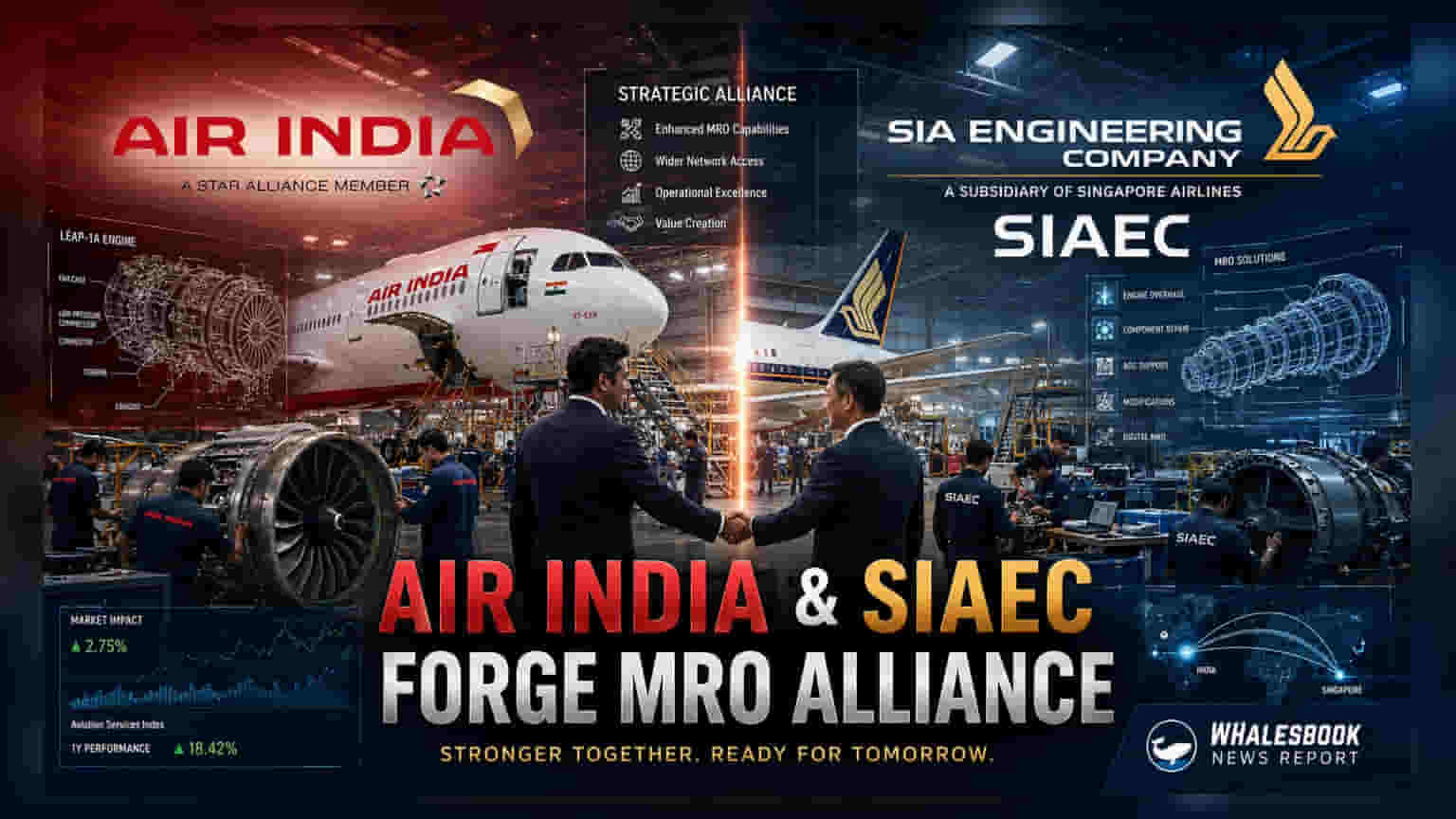
Air India and Singapore’s SIA Engineering Company have signed a memorandum to explore a joint maintenance, repair, and overhaul venture. This partnership aims to support Air India’s fleet expansion while reducing reliance on foreign maintenance facilities as domestic air travel demand climbs.
What Happened
Air India and Singapore-based SIA Engineering Company (SIAEC) have signed a memorandum of understanding (MoU) to study the creation of a joint venture focused on aircraft maintenance, repair, and overhaul (MRO) services in India. This agreement is a non-binding step toward building local technical facilities to service aircraft. The move comes as Air India manages one of the largest fleet expansions in aviation history, with orders for 570 new aircraft from Airbus and Boeing. The potential partnership seeks to create a self-reliant maintenance ecosystem rather than continuing to send aircraft overseas for heavy checks.
Why This Matters for the Aviation Sector
Currently, a significant portion of heavy aircraft maintenance for Indian carriers is outsourced to hubs in other countries, which increases costs and results in longer idle times for aircraft. By localizing these services, the proposed venture aims to improve operational efficiency for Air India. For the broader industry, this reflects a shift toward building domestic infrastructure to support the rapid increase in commercial aircraft operating within Indian skies. The government has previously pushed for such local capacity to lower logistics costs for airlines and generate specialized technical jobs.
Building on Existing Ties
This collaboration is not the first engagement between the two entities. Air India already utilizes SIAEC for technical inventory management for its A320 fleet, which consists of over 100 aircraft. Additionally, the airline had previously selected the Singaporean firm as a partner for developing base maintenance facilities at the Bengaluru airport. This new MoU serves as an expansion of that relationship, moving from service contracts toward a deeper, potentially long-term joint venture structure.
The Growth and Execution Challenge
While the goal is to localize maintenance, success will depend on securing necessary regulatory approvals and high-quality technical certification to meet global safety standards. Scaling MRO capacity in India involves significant capital spending on hangars, specialized tooling, and training highly skilled labor. Investors should note that while this venture could reduce long-term operational costs for Air India, building these facilities requires a long lead time. The actual impact on profitability will only materialize once the facilities are fully operational and gain the scale needed to compete with established global MRO providers.
What Investors Should Track
For those monitoring the aviation and infrastructure space, the next steps include the conversion of this MoU into a definitive joint venture agreement. Key monitorables include the total capital investment involved, the specific location and timeline for the new MRO hangars, and the ability of the joint venture to attract third-party aviation clients in addition to serving Air India’s own fleet. Any official update regarding project funding or construction milestones will provide more clarity on how this move influences the airline's long-term financial health.