 Whalesbook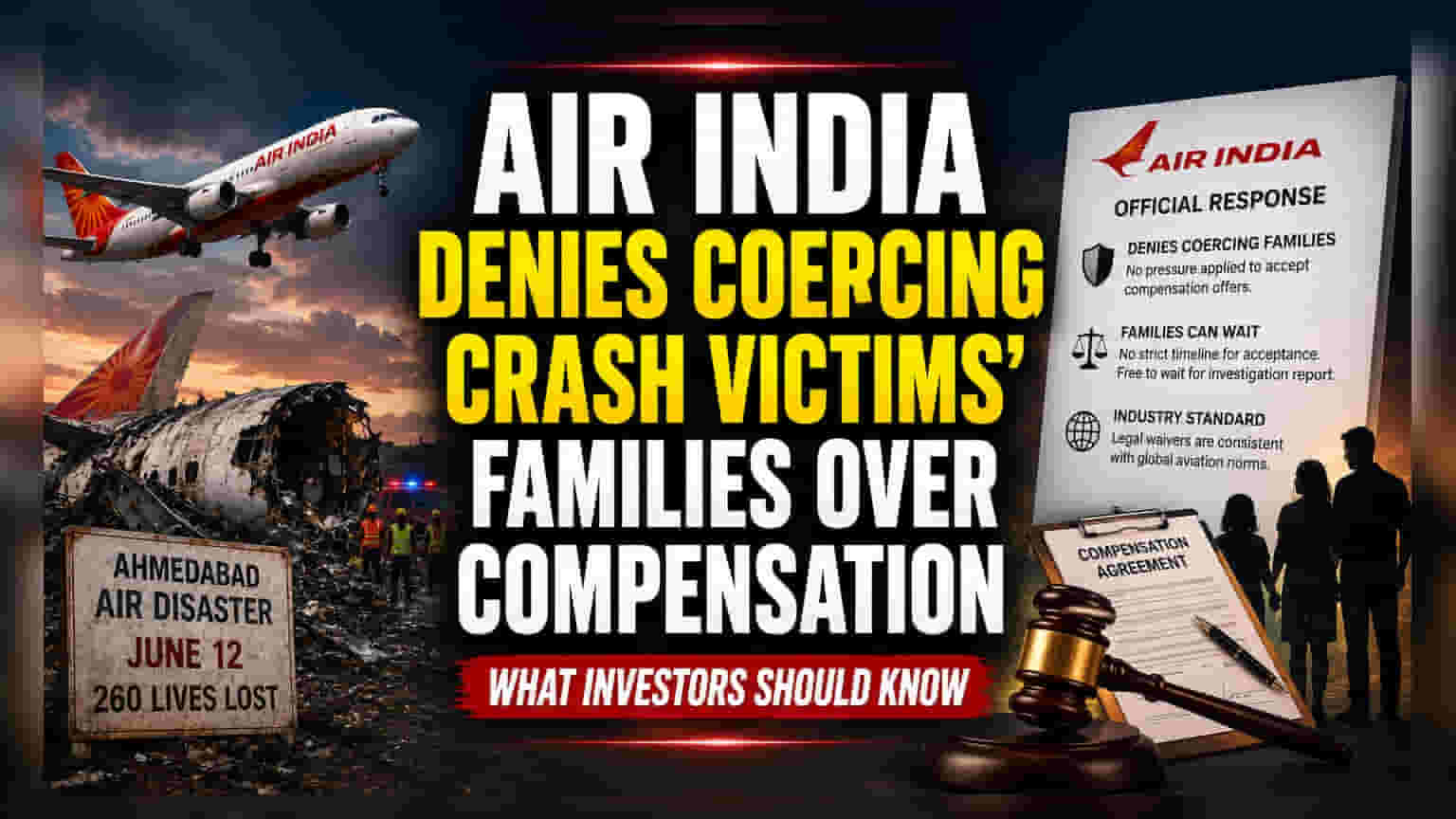


Air India has denied claims of pressuring victims' families from the June 12 Ahmedabad crash to sign final compensation waivers. The dispute centers on whether families should forfeit future legal rights before the official investigation report is published. For investors, this event highlights the reputational and legal risks associated with aviation crisis management within the broader Tata Group aviation portfolio.
What Happened
Air India has issued a formal response denying allegations that it coerced families of victims from the June 12 aviation disaster to accept compensation. The crash, which occurred near Ahmedabad's Sardar Vallabhbhai Patel International Airport, remains a sensitive and tragic event involving the loss of 260 lives. The controversy arose following communications from Radhika Mishra, who represents a victim's family, objecting to the airline's policy on final settlements.
The Point of Contention
The core of the dispute involves the legal waivers required by Air India to process final compensation payments. Ms. Mishra argued that asking families to sign a waiver—which prevents them from suing other stakeholders—before the final investigation report is released is unfair. She suggested that families are being asked to give up potential legal rights without full knowledge of the crash's causes. In response, Air India stated that its offer did not include a strict timeline for acceptance. The airline maintained that families are free to wait for the investigation report if they choose. Air India also noted that the inclusion of legal waivers is consistent with global aviation industry standards for reaching final settlements.
Investor Perspective on Reputation and Liability
For investors monitoring the aviation sector, this situation underscores the significant reputational and operational challenges that arise following a major incident. While Air India is not a publicly traded entity, it is a key component of the Tata Group's aviation strategy. Managing the aftermath of a disaster is a critical test of corporate governance and brand trust. High-profile legal disputes regarding compensation can attract regulatory scrutiny and may impact public perception of the airline's management standards. Furthermore, the company must manage legal liabilities and insurance provisions carefully. Significant litigation risk or public backlash can influence the cost of operations, insurance premiums, and the overall stability of the company’s brand image, which is vital for long-term growth and competitiveness in the aviation sector.
What Investors Should Monitor
Investors and observers should track the progress of the official investigation into the crash, as the findings will likely determine the next steps for legal claims and settlements. The airline's ability to resolve these concerns through transparent communication and fair treatment of the victims' families will be a key factor in maintaining trust. Furthermore, any subsequent regulatory developments or court-mandated changes to compensation procedures could set a precedent for how the airline handles future liabilities. The market will likely watch how the management navigates these delicate issues to ensure that such challenges do not escalate into systemic reputation risks for the broader group's aviation interests.