 Whalesbook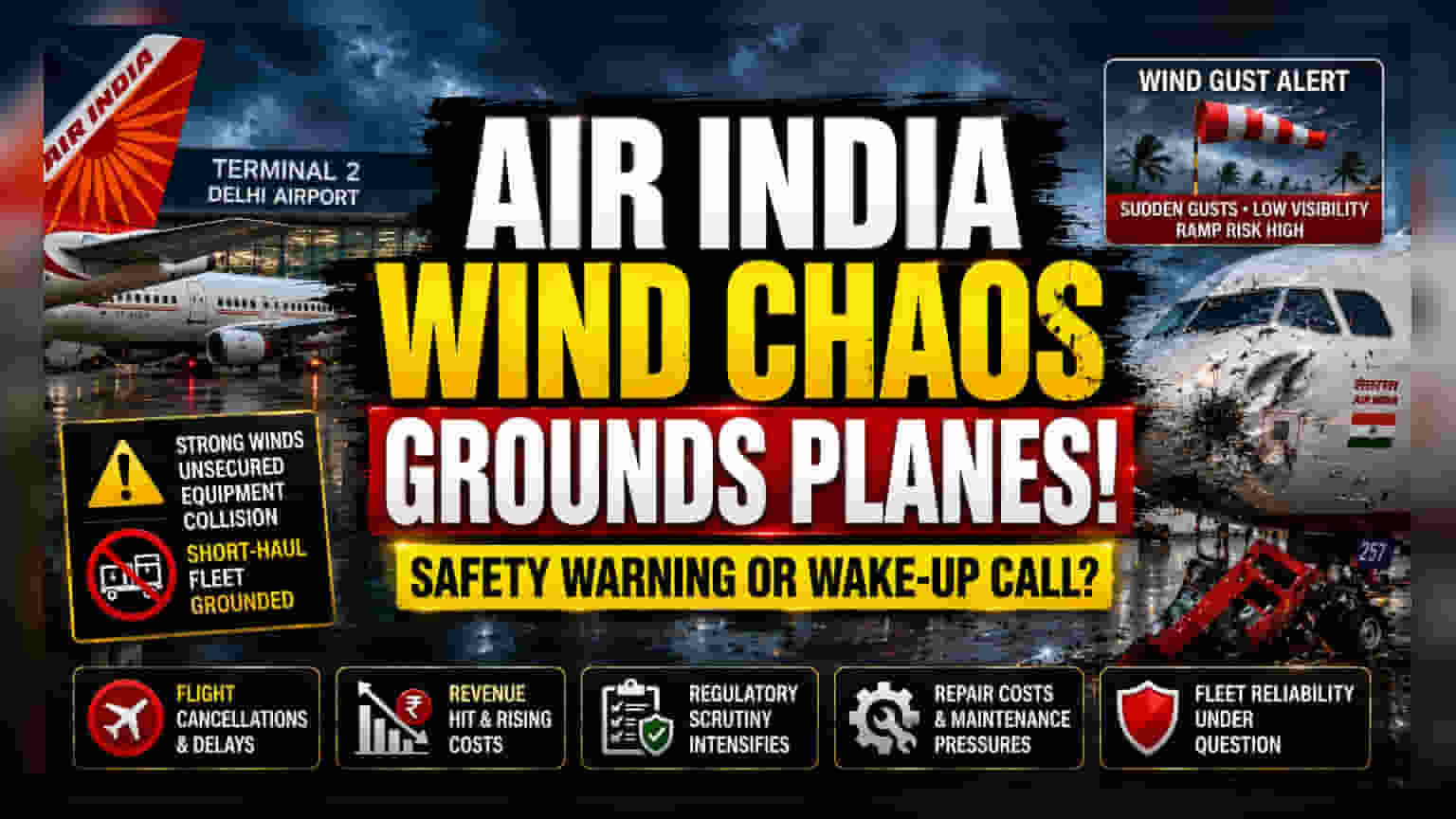


The Operational Impact of Tarmac Vulnerabilities
The unexpected collision of unsecured ground support equipment with stationary Air India jets at Terminal 2 serves as a stark reminder of the fragile nature of airline ground operations. The kinetic energy generated by high-speed wind gusts transformed standard equipment into hazards, forcing the immediate grounding of a portion of the airline’s short-haul fleet. While the carrier works to expedite structural repairs on the most heavily impacted airframe, the financial consequences extend beyond mere maintenance costs. Every hour these assets remain idle, the airline faces the double pressure of lost revenue and the rising expense of rebooking passengers across a constrained regional network.
Infrastructure Resilience and Regulatory Scrutiny
This incident forces a broader debate regarding the synchronization between airport weather monitoring systems and ground handling protocols. Unlike sophisticated flight-level weather tracking, surface-level gust alerts often suffer from latency issues, leaving ramp personnel with insufficient time to secure heavy equipment. The recurring nature of these incidents at Indira Gandhi International Airport—an essential hub for domestic traffic—suggests that current tie-down procedures may be inadequate for the increasing intensity of local microbursts. Peer carriers operating at the same facility have historically emphasized tighter control measures, yet Air India’s recent series of mishaps, including the high-profile A350 ingestion event earlier this year, highlights a potential divergence in safety performance compared to international benchmarks.
The Bear Case for Operational Efficiency
Beyond the immediate repair bills, this event brings negative attention to the carrier’s safety management systems. Frequent ground-level collisions, while often categorized as routine incidents, act as a leading indicator of underlying cultural or procedural failures in ramp safety. If the airline cannot maintain a sterile environment for its own equipment, the market may grow skeptical of its ability to manage a rapidly ballooning fleet. Investors and industry analysts are watching to see if this pattern prompts an intervention from the Directorate General of Civil Aviation. A more stringent regulatory audit could lead to significant overhead increases as the airline is forced to overhaul its training and ground handling equipment standards to meet modern safety requirements.
Future Reliability and Fleet Utilization
As the airline continues its aggressive fleet modernization strategy, maintaining high aircraft utilization rates is essential to justify heavy capital expenditure. Incidents like these represent a direct threat to that goal, as maintenance scheduling becomes reactive rather than proactive. Going forward, the company must demonstrate an ability to shield its core assets from environmental and operational hazards, or it risks seeing its reputation for reliability decline, potentially impacting future passenger loyalty and operational margins.