

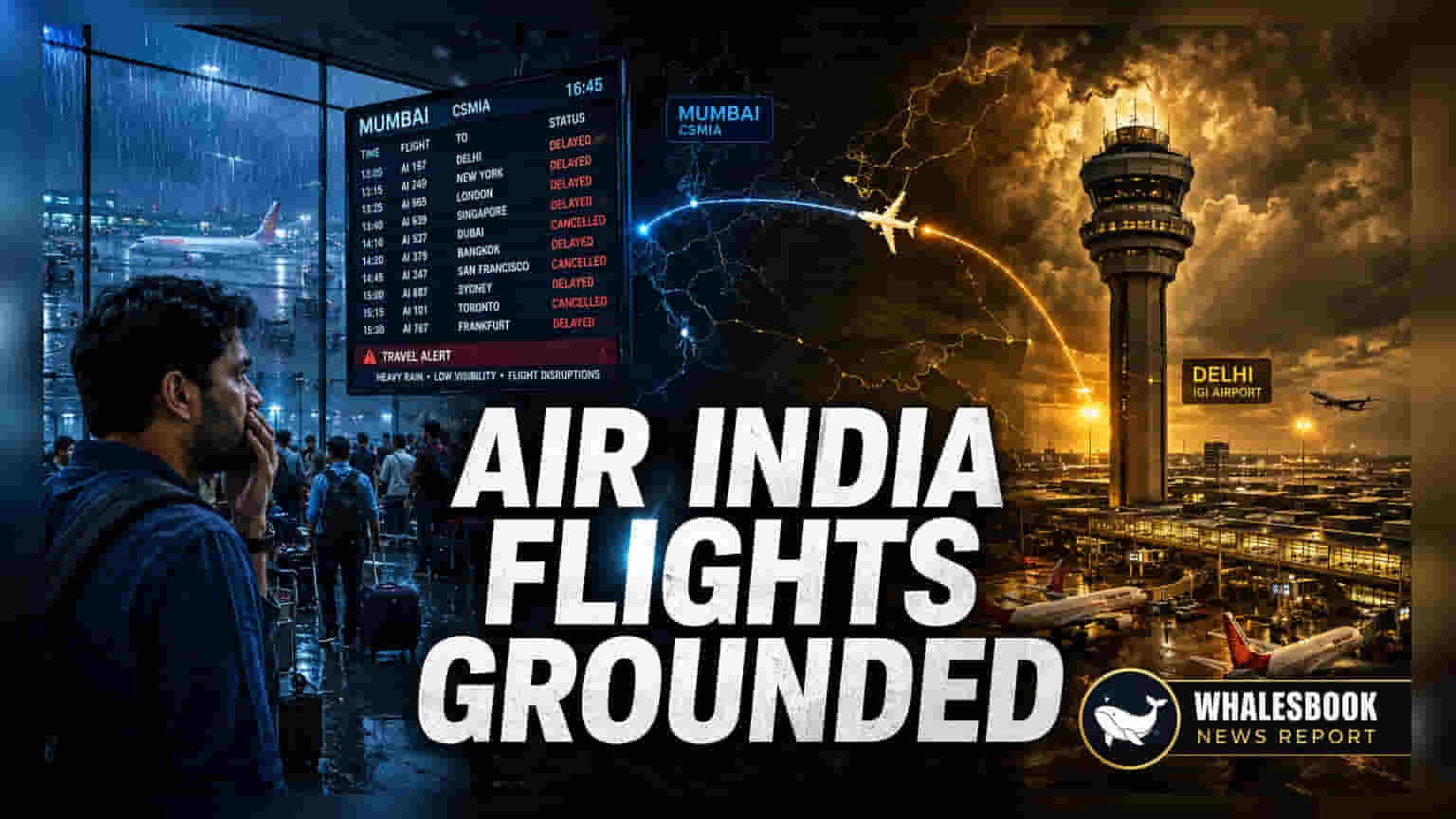
Air India has cautioned passengers of potential flight disruptions in Mumbai and Delhi due to heavy monsoon rains. With the IMD issuing red and yellow alerts for the two cities, travellers should check their flight status before heading to the airport.
What Happened
Air India has issued a formal travel advisory for passengers flying through Mumbai and Delhi as heavy monsoon rainfall impacts both cities. The airline warned that adverse weather conditions, including intense rain and thunderstorms, may lead to flight delays or diversions. The India Meteorological Department (IMD) has issued a red alert for Mumbai, citing the risk of extremely heavy showers and waterlogging, while Delhi is currently under a yellow alert for moderate rain and gusty winds. The airline is encouraging travellers to proactively monitor their flight status before leaving for the airport to avoid inconvenience.
Operational Impact on Airlines
For major airlines like Air India, severe monsoon weather presents significant operational challenges. Airports in Mumbai and Delhi are among the busiest in the country, and any significant reduction in visibility or waterlogging on runways can force air traffic controllers to limit operations. When weather conditions deteriorate, airlines often experience a ripple effect, where a delay in one city forces schedule changes across their entire network. This is common during the monsoon season and can lead to increased costs for airlines due to aircraft idling, fuel consumption during holding patterns, and the logistical burden of rebooking passengers.
Why This Matters for the Aviation Sector
The Indian aviation sector, which includes listed players like InterGlobe Aviation (IndiGo), is highly sensitive to seasonal weather patterns. While weather-related disruptions are typically temporary, they can affect short-term operational efficiency. Investors generally look at how effectively an airline manages these disruptions, as frequent or prolonged delays can lead to lower aircraft utilization rates and increased customer service expenses. For a full-service carrier like Air India, which operates a larger network and often manages international connections, such weather events require robust coordination to minimize the impact on premium passengers and transit schedules.
What Investors Should Track
Beyond the immediate weather advisory, investors in the aviation sector should watch for how such events impact quarterly performance metrics. Key monitorables include:
- On-time performance (OTP) data reported by the DGCA.
- Potential spikes in operational costs related to weather-induced diversions.
- How well the airline manages communication with passengers to maintain brand reputation during service interruptions.
- Seasonal trends in traffic and whether these weather events cause significant drops in load factors for the affected routes.