

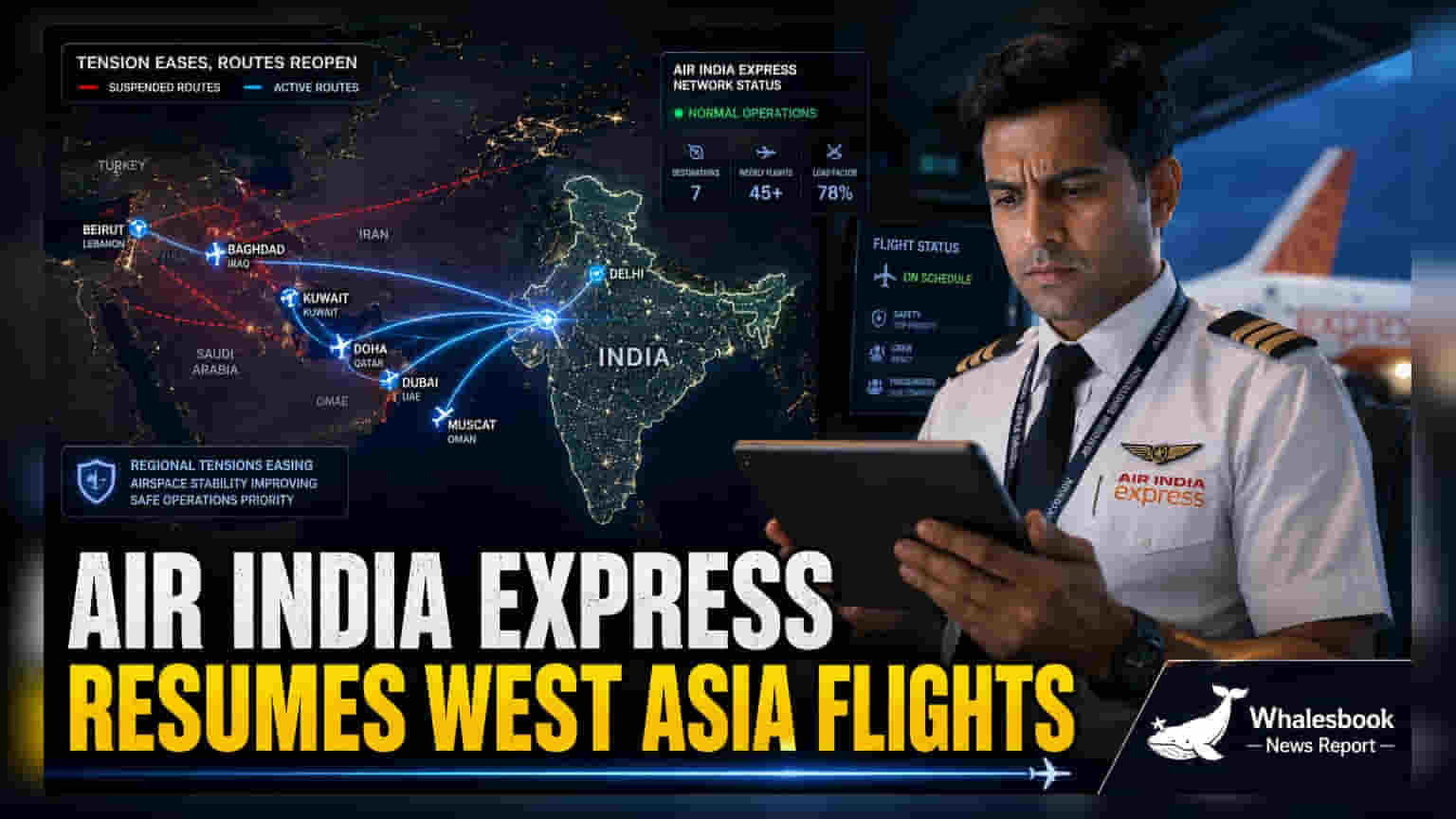
Air India Express has fully restored flight operations to West Asia, restarting routes from Kozhikode, Mangaluru, and Bengaluru. This move brings the airline’s capacity back to normal in a key travel corridor. For the broader aviation sector, the development highlights the impact of geopolitical stability on operational consistency and revenue recovery in high-demand international markets.
What Happened
Air India Express has officially restored all flight operations across its West Asia network. The airline, a subsidiary of the Tata-owned Air India, resumed connectivity to cities including Salalah, Kuwait, and Muscat. Services from Kozhikode to Salalah and Kuwait have restarted, along with routes from Mangaluru to Muscat and Bengaluru to Kuwait. This return to normal scheduling follows a period where flight routes were adjusted or suspended due to heightened regional tensions in parts of West Asia.
Why This Corridor Matters for the Aviation Sector
The West Asia region represents one of the most significant revenue-generating corridors for Indian airlines. It serves a massive volume of Indian expatriates, labor, and business travelers. For airlines like Air India Express, maintaining consistent, uninterrupted service in this market is crucial for revenue stability and market share. The ability to normalize schedules indicates a stabilization in operational planning, which is vital for maintaining load factors—a measure of how full the planes are—and profitability in a competitive international segment.
Business and Sector Context
Air India Express operates as a key part of the Tata Group’s consolidated aviation strategy, which aims to improve the group’s footprint in both domestic and international markets. Investors following the aviation sector closely watch how these carriers manage capacity. The industry in India is currently defined by stiff competition, primarily between Tata-owned entities and market leader IndiGo.
Reliability is a major competitive advantage. When an airline can demonstrate consistent service, it helps retain customer loyalty in a segment that is highly sensitive to schedule changes and flight cancellations. Additionally, as the airline expands its fleet, the efficient utilization of these assets on established routes like the Gulf corridor remains a central part of the growth narrative.
Aviation Sector Risks and Pressures
While the restoration of flights is a positive operational step, the aviation sector faces persistent risks that can influence financial performance. Aviation Turbine Fuel (ATF) costs remain the largest variable expense for any airline. Fluctuations in crude oil prices can quickly pressure profit margins, regardless of how many flights are operating.
Furthermore, the sector is inherently sensitive to geopolitical risks. Unforeseen stability issues in operating regions can force airlines to abruptly re-route or cancel flights, which increases operational costs and causes revenue loss. Competitive pricing pressure is another factor, as airlines often lower fares to gain market share in the Gulf corridor, which can impact the profitability of these routes even when demand is high.
What Investors Should Track
For those monitoring the aviation sector, the focus will be on the sustainability of these operations. Key monitorables include the maintenance of load factors on these restored routes, the airline's ability to manage fuel price volatility, and any further updates regarding capacity expansion within the Tata aviation ecosystem. Observers will also look for indicators of market share trends, specifically whether the carrier can effectively capture demand growth in the international segment relative to its competitors.