

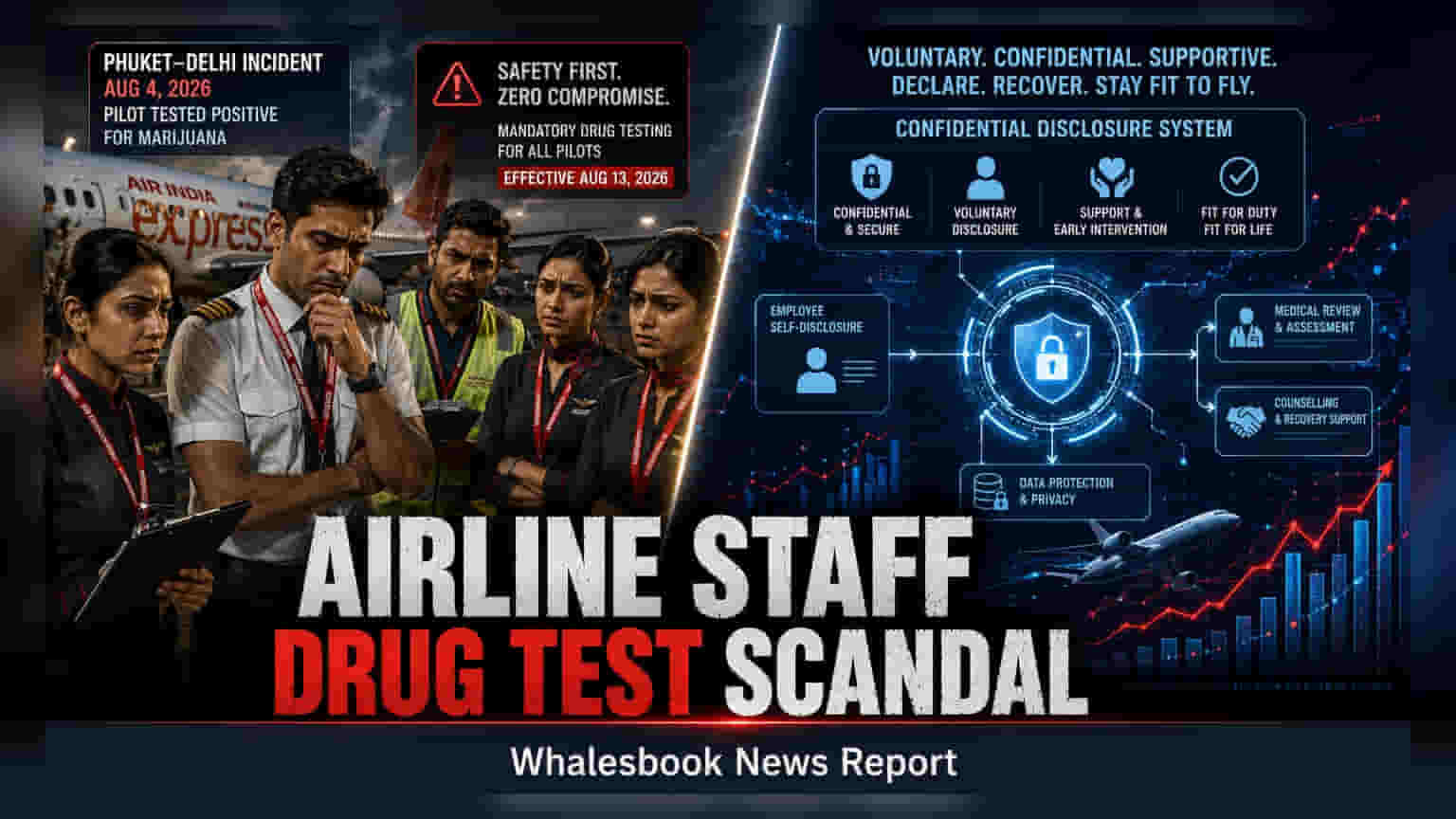
Air India Express has introduced a voluntary, confidential self-declaration program for employees to report psychoactive substance use. This initiative follows recent safety incidents within the airline group and aligns with DGCA requirements to prioritize flight safety and staff well-being.
Air India Express, a subsidiary of the Tata Group, has launched a voluntary, confidential system for employees to disclose the use or dependence on psychoactive substances. This program is designed to facilitate early intervention and recovery, ensuring that crew members remain fit for duty. The move aligns with the current civil aviation requirements set by the Directorate General of Civil Aviation (DGCA), which encourages staff to proactively declare any substance use that could impact their ability to work safely.
Context of Recent Safety Incidents
This policy change comes against the backdrop of heightened safety scrutiny following a serious flight incident on August 4, 2026. During a flight from Phuket to Delhi, the aircraft experienced an unexpected loss of altitude, which resulted in injuries to both passengers and crew. Following the event, the pilot-in-command was tested and subsequently confirmed positive for marijuana. As a direct result of this, the Air India group implemented mandatory psychoactive substance testing for all its pilots effective August 13, 2026, to address safety concerns.
Strategic Importance for Tata Aviation
While Air India Express remains a public unlisted company, its operational performance is a key part of the Tata Group’s consolidated aviation portfolio. For the group, maintaining a robust safety culture is critical not just for operations but also for reputation management during a major integration phase. Investors and analysts generally monitor safety records and regulatory compliance closely, as lapses can trigger stricter oversight, operational delays, and increased costs. The current shift toward a self-declaration model reflects a broader push to address potential issues through support rather than solely through punitive measures.
Industry Monitorables
The aviation sector is currently navigating a period of intense focus on safety protocols and crew fitness. Beyond the direct cost of implementing enhanced testing and reporting mechanisms, airlines are managing pressures such as fuel price volatility and complex route integrations. The next important update for the industry will be the impact of these mandatory screenings and the effectiveness of voluntary declaration policies. Stakeholders will track whether these measures lead to a reduction in safety incidents or if the DGCA introduces further, more stringent regulations for the industry as a whole.