

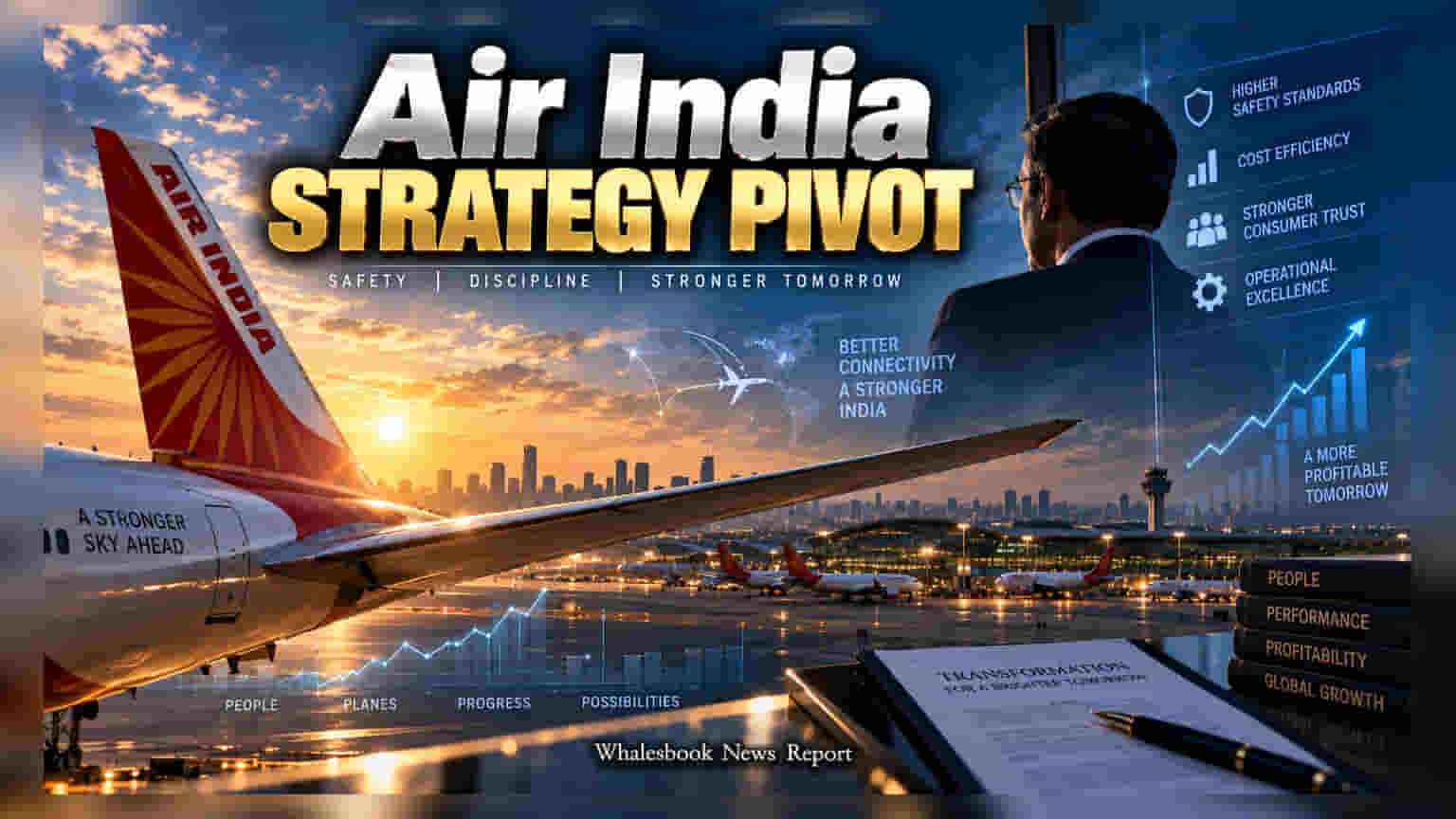
Air India has named veteran aviation leader Tewolde Gebremariam as its new CEO, as Tata Sons Chairman N. Chandrasekaran calls for improved safety and stricter cost management. The airline, which reported losses of ₹22,238 crore for FY26, faces significant pressure to stabilize its operations and manage a debt burden of approximately ₹40,000 crore.
Tata Sons Chairman N. Chandrasekaran has set a strict mandate for the next phase of Air India’s transformation, prioritizing safety standards and financial discipline. During a recent town hall meeting, the chairman highlighted the need for improved operational execution and better consumer trust. He emphasized that the airline must focus on reducing internal spending to improve its financial health, as the carrier navigates a challenging environment in the global aviation sector.
Leadership Transition at the Top
The strategy shift coincides with a significant leadership change. Tewolde Gebremariam has stepped in as the new CEO and Managing Director, succeeding Campbell Wilson. Gebremariam arrives with extensive industry experience, having spent nearly 40 years at Ethiopian Airlines, including over a decade as its chief executive. His appointment comes at a critical time as the airline works to integrate its international partners and compete more effectively in a crowded market.
Financial Challenges and Capital Needs
The emphasis on cost control is driven by substantial financial hurdles. Air India reported losses of approximately ₹22,238 crore for the 2026 fiscal year, while its total debt stands at roughly ₹40,000 crore. To support the ongoing turnaround, Tata Sons has provided in-principle approval for a fresh capital infusion of over ₹10,000 crore. However, the management team faces the challenge of demonstrating that it can generate sufficient internal cash to reduce its reliance on support from the parent company.
Operational Hurdles
The path to stable profitability remains difficult. The airline faces persistent external pressures, including volatile fuel costs and geopolitical instability, which can lead to airspace closures and disrupt flight schedules. Additionally, the company is still working to build a consistent operational track record following its acquisition from the government. While Air India is not listed on the stock exchange—being a private entity owned by the Tata Group and Singapore Airlines—its performance is closely monitored by the aviation industry and global partners due to its significant role in the Indian market.
The next phase of the airline's transformation will depend on how successfully the new leadership can balance the urgent need for improved service quality with the necessity of tighter spending. Observers will monitor the carrier’s ability to execute its expansion plans without further straining its balance sheet or compromising on safety standards.