 Whalesbook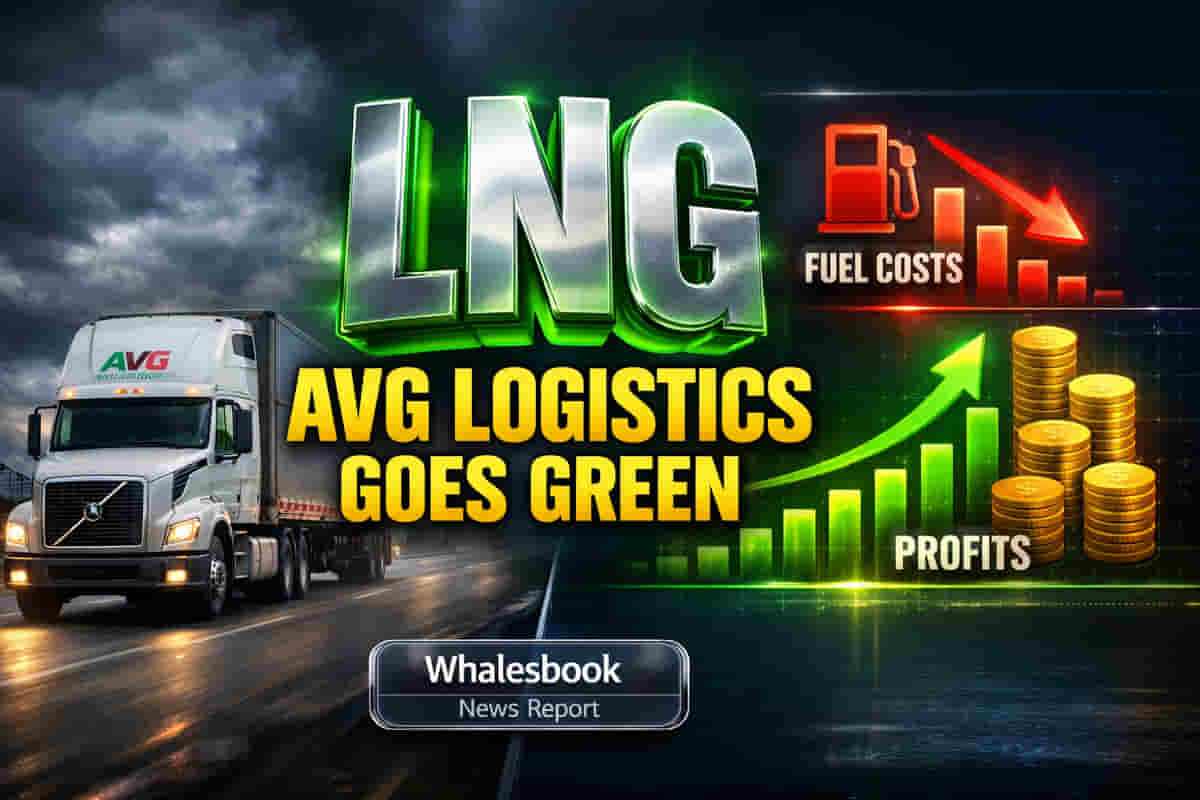
AVG Logistics Limited has announced a significant strategic move towards sustainable operations by entering into a Memorandum of Understanding (MoU) with Baidyanath LNG Private Limited. This partnership is poised to accelerate the adoption of Liquefied Natural Gas (LNG) as a primary fuel source across India's vital industrial logistics sectors, including steel, fast-moving consumer goods (FMCG), and cement.
The Core Issue
The logistics industry is under increasing pressure to embrace cleaner energy solutions amid rising fuel expenses and evolving environmental regulations. Traditional fossil fuels contribute substantially to carbon emissions, necessitating a shift towards sustainable alternatives. LNG offers a promising path forward, presenting itself as a cleaner-burning and potentially more cost-effective option for heavy-duty transportation, aligning with national objectives for reduced pollution and enhanced energy security.
Financial Implications
This collaboration represents a strategic initiative for AVG Logistics to optimize its operational expenditures and enhance its profitability. By integrating LNG-powered fleets, the company anticipates achieving substantial savings on fuel costs over the medium to long term. Such efficiency improvements are expected to bolster financial performance and solidify its competitive position within the market.
Official Statements and Responses
Sanjay Gupta, Managing Director and Chief Executive Officer of AVG Logistics, expressed enthusiasm about the development. He stated that the collaboration directly supports the company's focus on achieving sustainable and profitable growth. Gupta anticipates that the integration of LNG-powered fleets will lead to improved operating efficiency, optimized fuel costs, and consequent margin expansion. Vaddadi Subbarao, Director of Baidyanath LNG, highlighted that the agreement aids their expansion plans for LNG refuelling infrastructure across India. He added that it would ensure uninterrupted LNG supply along key trucking routes, thereby facilitating the industry's shift towards cleaner heavy-duty transportation.
Future Outlook
The partnership signifies a burgeoning trend towards decarbonization within India's logistics landscape. As more entities like AVG Logistics embrace LNG, it is likely to stimulate further investments in LNG infrastructure and related vehicle manufacturing. This could culminate in a considerable reduction in the sector's overall carbon footprint and foster greater energy independence.
Impact
This development holds significant positive implications for AVG Logistics, offering potential for reduced operational costs and enhanced efficiency. It underscores the company's proactive stance on sustainability, which could bolster investor confidence. Broader implications include encouraging other logistics players to explore LNG adoption, contributing to India's clean energy targets and diminishing the transportation sector's environmental impact. Impact rating: 7/10
Difficult Terms Explained
- Memorandum of Understanding (MoU): A preliminary agreement between two parties outlining the terms and intentions of a potential future contract or partnership.
- Liquefied Natural Gas (LNG): Natural gas that has been cooled down to a liquid state at extremely low temperatures (approximately -162°C or -260°F) for easier transportation and storage.
- Fleet: A group of vehicles, such as trucks, owned and operated by a single company.
- Operating Efficiency: The measure of a company's ability to provide goods or services to customers in the most cost-effective manner, minimizing waste and maximizing resource utilization.
- Margin Expansion: An increase in a company's profit margin, which is the difference between revenue earned and costs incurred.
- Refuelling Infrastructure: The network of facilities, such as gas stations or charging points, required to supply fuel or energy to vehicles.