 Whalesbook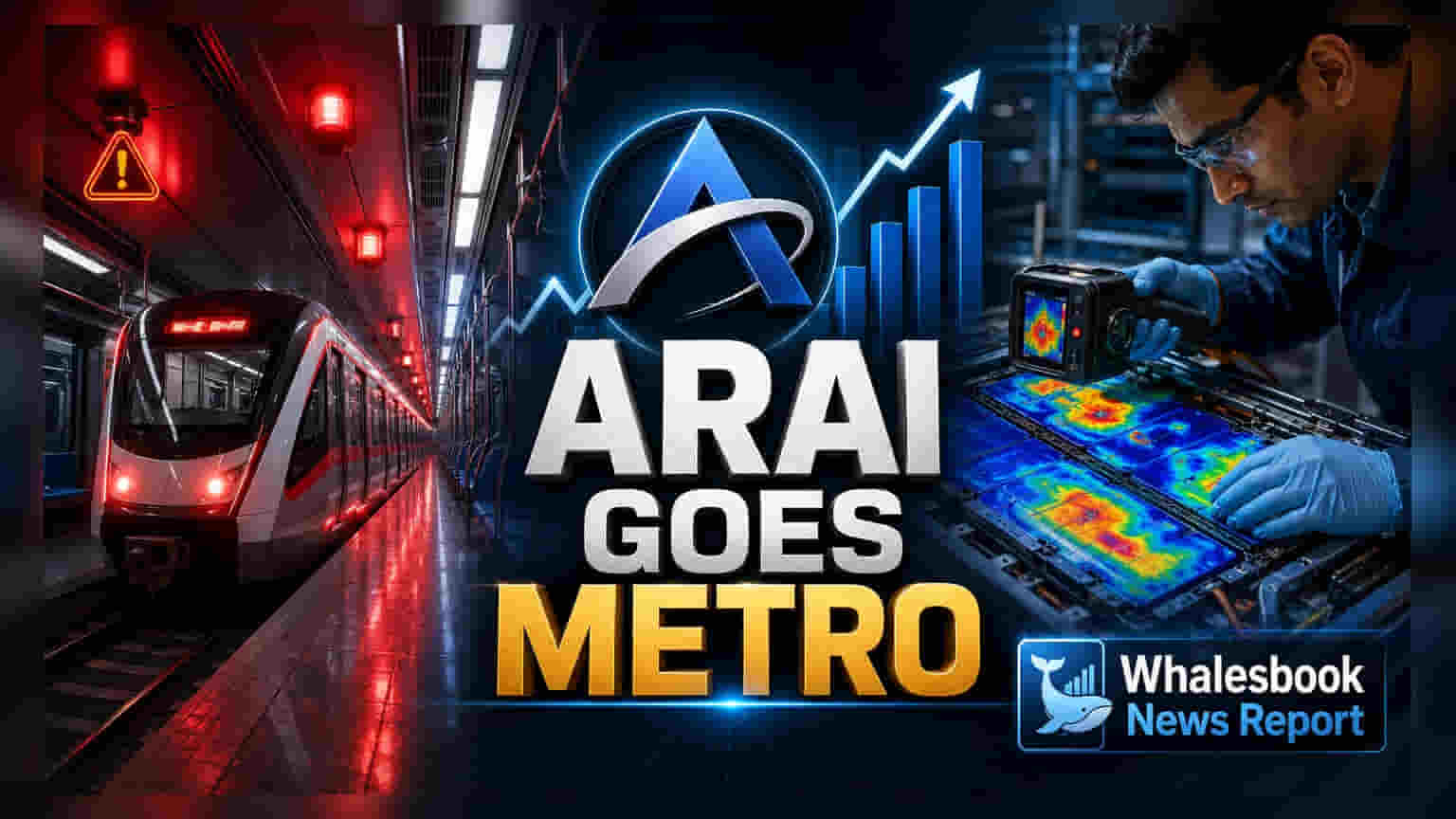


The Shift Toward Infrastructure Certification
Transitioning from its historical focus on road-bound vehicle certification, the Automotive Research Association of India has begun validating complex safety systems for the Delhi Metro Rail Corporation. The integration of obstacle and derailment detection testing represents a distinct strategic departure. Rather than merely assessing individual automotive components, the organization is absorbing responsibilities associated with broader transit infrastructure. This movement coincides with a systemic tightening of safety standards across India’s mobility sector, forcing domestic manufacturers to navigate an increasingly rigorous certification environment prior to the implementation of fiscal year 2027 mandates.
Industrial Bottlenecks and Compliance Pressure
As the automotive industry approaches the enforcement of CAFE III standards and updated Bharat NCAP protocols, the concentration of testing authority within this single body creates a high-stakes bottleneck. By offering localized services such as far-side crash simulation and advanced adiabatic calorimetry for EV battery thermal runaway analysis, the organization effectively centralizes the qualification process. This reduces the historical reliance on expensive international testing facilities but simultaneously increases the risk profile for domestic automakers. Should certification delays occur, the reliance on a single primary domestic authority could disrupt production timelines for companies already struggling to meet stringent AIS-156 battery safety norms.
The Forensic Regulatory Outlook
While the expansion into bus body structural compliance and transit rail safety provides a new revenue stream, it carries inherent operational risks. The rapid broadening of the organization's testing portfolio—ranging from software certification to heavy-rail safety—demands significant technical agility. If the pace of infrastructure testing outstrips the acquisition of specialized human capital, the resulting delays could exacerbate the backlog for automakers. Furthermore, the mandatory nature of these new regulations for bus operators under GSR 159(E) places immense pressure on smaller manufacturers to upgrade their standards. The market is shifting from a voluntary compliance model to a rigorous, state-validated structure, making this organization the ultimate arbiter of market entry for both automotive and rail technology providers moving toward the 2027 deadline.