 Whalesbook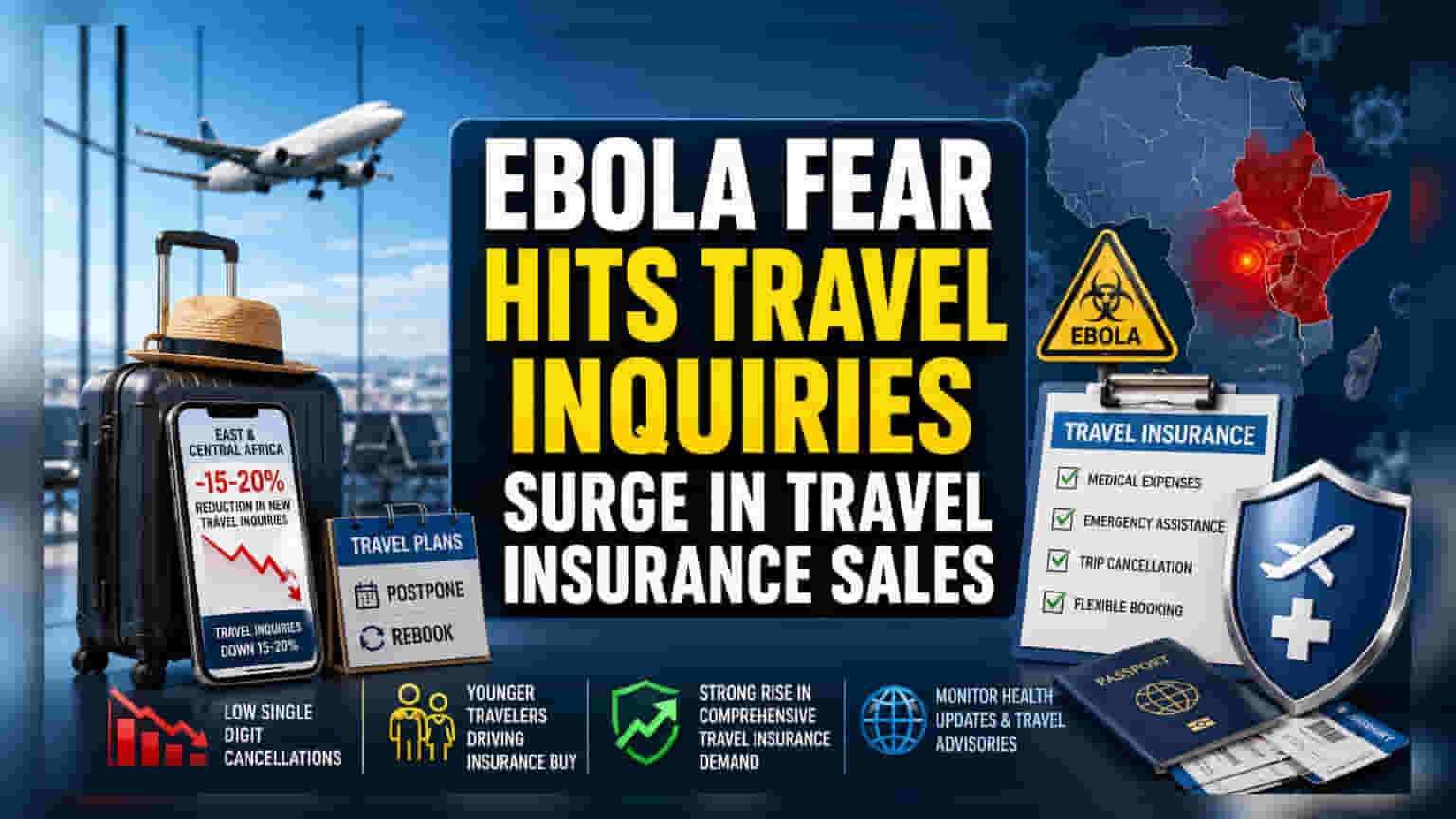


Concerns over the Ebola outbreak in East and Central Africa are leading Indian tourists to pause vacation plans, impacting travel firms while driving up demand for insurance protection.
What Happened
Recent health concerns linked to an Ebola outbreak in parts of East and Central Africa have created a shift in travel patterns among Indian tourists. Data indicates a 15-20% reduction in new travel inquiries for these regions, as travelers increasingly prefer to postpone or rebook their itineraries rather than proceed with current plans. While the volume of outright cancellations remains in the low single digits, the trend toward deferring travel reflects growing caution among holidaymakers.
Impact on the Travel Industry
For the broader travel and tourism sector, this shift in sentiment introduces a period of uncertainty. Companies that rely on outbound tourism to these specific regions may face immediate pressure on bookings and revenue. A decline in fresh inquiries often precedes a period of slower growth, as the lead time for international travel bookings is typically significant. If the hesitation persists, it could affect the short-term performance of travel aggregators and tour operators who have invested in promoting African destinations for the summer season.
Surge in Insurance Protection
The situation presents a different dynamic for the insurance sector. As travelers prioritize safety and contingency planning, there has been a notable increase in the purchase of travel insurance policies. Providers have reported a significant rise in demand, particularly among younger age groups, for comprehensive coverage that includes medical assistance and flexible cancellation options. This increase in policy sales suggests that while travel intent is cooling, the focus on risk management is rising, which can create a new revenue stream or product demand for insurance firms.
How Investors May Read This
Investors looking at the travel and insurance sectors may view these developments as a tale of two different impacts. The travel industry is currently facing a demand-side challenge where perception is driving customer behavior. Business performance for companies in this space will depend on how quickly traveler confidence recovers and whether there are viable alternative destinations. On the other hand, the insurance sector might see a temporary boost in product uptake as travelers seek to mitigate financial risks associated with medical emergencies or trip disruptions. The key for investors is to differentiate between short-term demand fluctuations and any potential long-term damage to the sector’s growth trajectory.
Sector Risks and Monitorables
The primary risk for the travel industry is the duration of the health concern. Prolonged apprehension can lead to revenue leakage and margin pressure if companies are forced to offer refunds or bear the costs of rescheduling. For the insurance sector, while policy sales are rising, the long-term impact will depend on the cost of claims and whether this trend of higher insurance adoption is sustained. Investors may want to track updates from global health organizations and government travel advisories, as these are likely to influence future booking patterns. Additionally, monitoring management commentary in upcoming earnings reports will provide clarity on whether the impact is localized to Africa-focused travel or if it is affecting broader international tourism sentiment.