 Whalesbook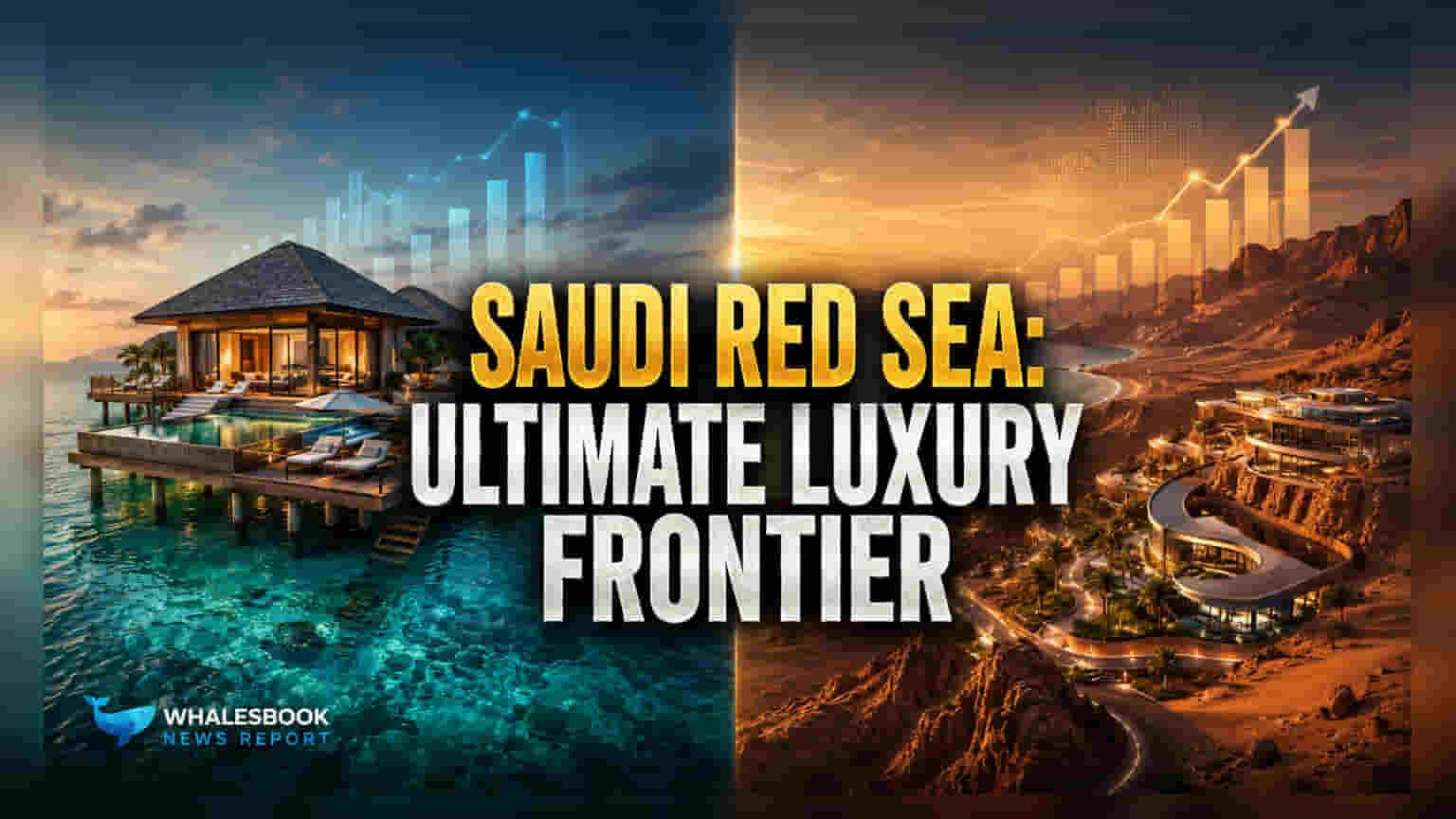


The Economic Imperative Beyond Luxury
The development of the Red Sea destination is less about hospitality and more about the fundamental restructuring of the Saudi Arabian economy. As part of Vision 2030, the project functions as a primary engine to diversify national income away from hydrocarbon exports. By positioning itself as a high-end, adventure-focused alternative to the Maldives or the Seychelles, the state is effectively betting billions on the endurance of the global luxury travel sector. The financial viability of this region relies on maintaining high Average Daily Rates (ADR) to offset the staggering cost of maintaining carbon-neutral infrastructure in a remote, arid environment.
Competitive Benchmarking and Market Saturation
When evaluated against established luxury hubs, the Red Sea faces a distinct challenge in brand equity. Traditional competitors, such as the established resorts in the Maldives or private island retreats in the Caribbean, benefit from decades of operational refinement and established guest loyalty programs. While the integration of brands like St. Regis and Ritz-Carlton provides immediate institutional credibility, the project must contend with the cyclical nature of ultra-high-net-worth spending. Market data suggests that while premium travel remains resilient, appetite for new 'frontier' destinations fluctuates significantly based on global economic indicators and regional stability perceptions. The reliance on the Red Sea International Airport to funnel direct traffic is a strategic necessity, yet it introduces operational risks related to logistics and supply chain management in a secluded zone.
The Forensic Bear Case: Structural Weaknesses
From a critical investor perspective, the project carries significant execution risk. Unlike legacy luxury destinations that grew organically, this region is an artificial construct requiring immense energy and water desalination inputs. The promise of sustainability is an aggressive target that, if missed, could alienate the environmentally conscious demographic it seeks to capture. Furthermore, the reliance on high-density luxury, characterized by the 11-resort hub planned for Shura Island, creates a potential supply-demand imbalance. If the influx of luxury inventory outpaces demand, the resulting price wars could erode the exclusivity that drives the current business model. Investors should also monitor the pace of infrastructure rollout; past large-scale giga-projects in the region have occasionally faced timeline slippages and cost overruns, which could impact the projected internal rate of return for hospitality operators involved in the joint ventures.
Forward Trajectory
Future phases of the development are heavily contingent on the integration of secondary services, including retail and recreational facilities. The ability of the destination to maintain its 'barefoot luxury' appeal while scaling up to accommodate thousands of guests will be the primary test for the operators. Market analysts remain focused on the occupancy rates of the first wave of properties as a barometer for broader regional tourism health. As Four Seasons, Rosewood, and other high-end banners prepare for their openings, the focus shifts from construction and launch to operational efficiency and guest retention in an increasingly crowded global luxury market.