 Whalesbook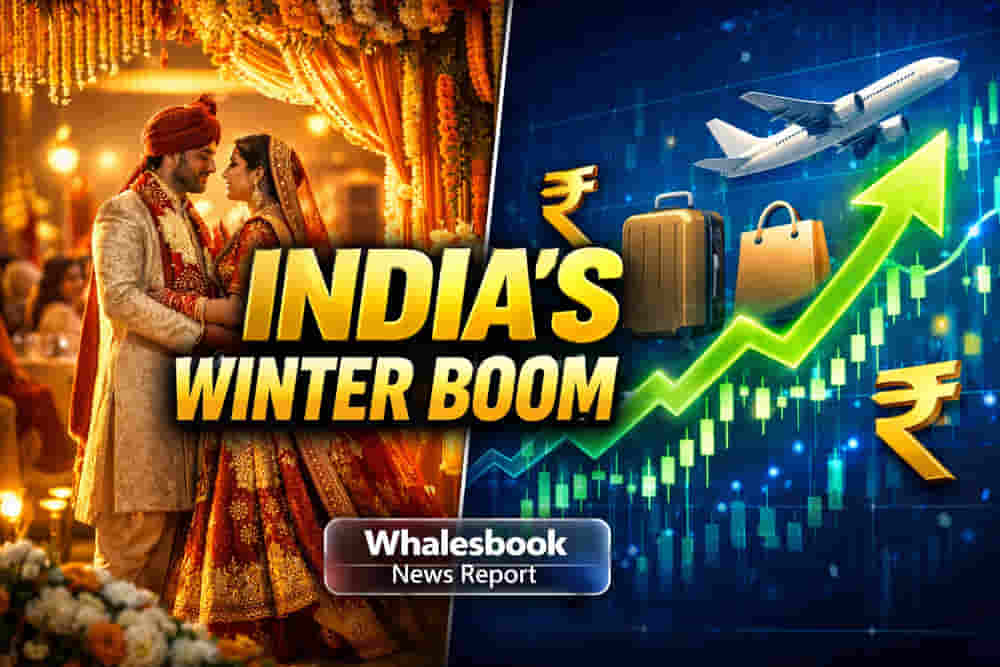
India's Winter Transformed: From Cold Months to Economic Hotspots
India's traditional winter, once associated with subdued economic activity, is now emerging as a period of significant commercial momentum. Driven by a confluence of changing consumer habits, government initiatives, and increasing disposable incomes, sectors ranging from tourism and hospitality to aviation and retail are experiencing an unprecedented boom. This shift suggests that winter is evolving from a mere seasonal lull into a structural growth phase for the Indian economy.
The Government's Winter Push
Prime Minister Narendra Modi has actively championed the idea of utilizing the winter months for economic growth. Through platforms like "Mann Ki Baat" and initiatives such as the "Wed in India" campaign, the government has encouraged domestic tourism and celebrations. This strategic narrative highlights India's potential for winter sports, cultural experiences, and destination weddings, particularly in regions like the Himalayas. Uttarakhand, for instance, has seen a dramatic rise in tourist numbers, with areas like the Adi Kailash region experiencing an increase from under 2,000 visitors three years ago to over 30,000 currently.
Wedding Bells Ringing in Economic Growth
The wedding economy stands at the forefront of this winter resurgence. The call to host weddings domestically has aligned with a measurable increase in destination weddings across various scenic locations. Data from the Confederation of All India Traders (CAIT) indicates that approximately 3.8 million weddings took place between November 23 and December 15 last year, generating a staggering ₹4.74 lakh crore in revenue—a 26% year-on-year increase. Luxury wedding budgets are estimated at around ₹1.3 crore, with mid-segment weddings ranging between ₹35 lakh and ₹80 lakh.
Hospitality Sector Soars
Hotels are experiencing the most immediate benefits. Radisson Hotel Group reported an 87.1% year-on-year increase in room revenue from weddings in November alone, supported by a 46% rise in room nights booked. November emerged as the group's best-performing month ever. ITC Hotels and Leisure Hotels Group have also noted significant contributions from wedding and social events, with some properties generating over 50% of their annual revenue from these occasions. Properties like Taj Corbett and Courtyard by Marriott Mahabaleshwar are seeing higher average spends during winter weddings.
Aviation and Retail See a Boost
The surge in wedding-led tourism is directly impacting domestic aviation demand. Airlines like SpiceJet have observed a clear rise in winter passenger traffic, with many flights connecting major cities to popular tourist destinations experiencing higher load factors. Online travel platforms such as EaseMyTrip report a 15–20% increase in bookings compared to last year's wedding season. Beyond travel, the wedding economy is driving discretionary spending in retail. Jewellers like Senco Gold & Diamonds, Titan-owned Tanishq, and Kalyan Jewellers are reporting sustained sales growth post-Diwali, driven by wedding demand. Apparel, electronics, and FMCG companies are also experiencing a 10–20% year-on-year rise in demand in the weeks following Diwali.
Future Outlook: A Structural Shift
These trends indicate that winter in India is no longer just a seasonal event but an integral part of the country's economic growth cycle. Projections show domestic visitor volumes doubling by 2030, with visitor spending potentially tripling by 2034. Domestic air travel is also set to increase substantially. The convergence of tourism, weddings, aviation, and consumption suggests a robust, year-round economic expansion, making India's coldest months its most economically consequential.
Impact
This economic resurgence driven by winter activities is poised to significantly benefit companies in the tourism, hospitality, aviation, and retail sectors. Increased consumer spending and government focus on promoting domestic travel and events could lead to higher revenues and profitability for businesses operating within these segments. Investor sentiment towards these sectors is likely to strengthen as the winter season proves its sustained economic importance. Impact Rating: 8/10
Difficult Terms Explained
- Discretionary Consumption: Spending on non-essential goods and services beyond basic needs like food and housing.
- Wedding Economy: The total economic activity generated by weddings, encompassing venues, catering, travel, apparel, jewellery, and associated services.
- YoY Increase (Year-on-Year Increase): A comparison of a metric's value in the current period against its value in the corresponding period of the previous year.
- Hospitality Sector: The industry encompassing hotels, restaurants, bars, event venues, and related services that cater to guests and travelers.
- MICE: Acronym for Meetings, Incentives, Conferences, and Exhibitions – a segment of business tourism.