

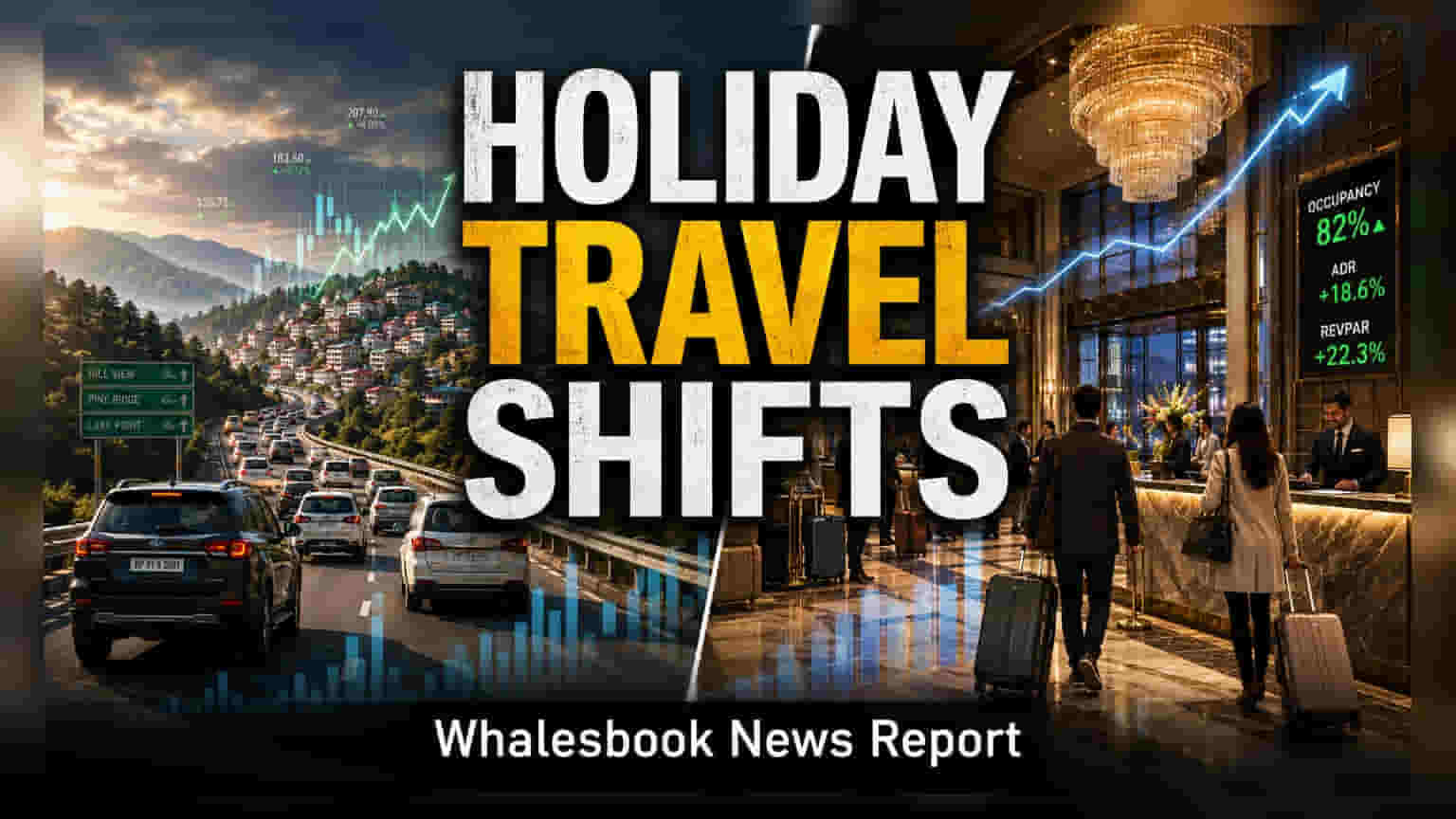
With Independence Day 2026 falling on a Saturday, travelers are prioritizing short-duration, drive-to destinations over traditional fly-to vacations. This shift is driving occupancy levels to 80-85% for vacation rental platforms and boosting demand for city-based hotels, as consumers favor accessible getaways for the long weekend.
The Independence Day 2026 weekend is triggering a distinct change in travel patterns among Indian consumers. Rather than planning elaborate, long-distance fly-to vacations, travelers are increasingly opting for short, accessible trips within a two-to-five-hour drive of major urban centers. This trend toward "drive-to" destinations is reshaping demand for the hospitality sector, with locations like Lonavala and Coorg witnessing higher interest compared to traditional tourist hubs like Goa and Manali.
Data from the travel industry highlights a clear pricing premium in these staycation-heavy markets. Prices for villa rentals and drive-to destinations have seen an increase of approximately 30% compared to regular weekends. In contrast, popular fly-to destinations, which are seeing relatively lower demand for this specific break, have recorded more modest price hikes in the range of 15-20%. Vacation rental platforms are reporting high engagement, with operators like StayVista and Elivaas seeing occupancies around 80-85% as the holiday approaches.
City hotels are also benefiting from this preference for convenience and shorter travel times. Major chains including IHG Hotels & Resorts, Wyndham Hotels & Resorts, Roseate Hotels & Resorts, and Sarovar Hotels are reporting booking levels ahead of the previous year. City-based properties in hubs like New Delhi, Bengaluru, Mumbai, and Gurugram are experiencing significant traction, supported by targeted promotions designed for the long weekend. For instance, some hotel groups have noted booking growth in the double digits compared to the same period last year, as urban travelers look for quick, reliable getaways.
While the demand remains robust, investors and industry watchers are keeping an eye on a few key risks. The holiday falls during the monsoon season, which often introduces volatility in travel plans due to weather-related disruptions in specific regions. Additionally, the "anti-itinerary" trend—characterized by a preference for flexible, last-minute planning—creates potential for booking volatility. The hospitality sector’s performance also remains sensitive to discretionary consumer spending, which can fluctuate based on broader economic confidence.
Looking ahead, the market will monitor how these short-trip trends evolve during upcoming festivals like Raksha Bandhan. If the current appetite for frequent, shorter breaks persists, it could support consistent occupancy levels for domestic leisure and city hotels, even as the broader tourism sector navigates seasonal and macroeconomic pressures.