 Whalesbook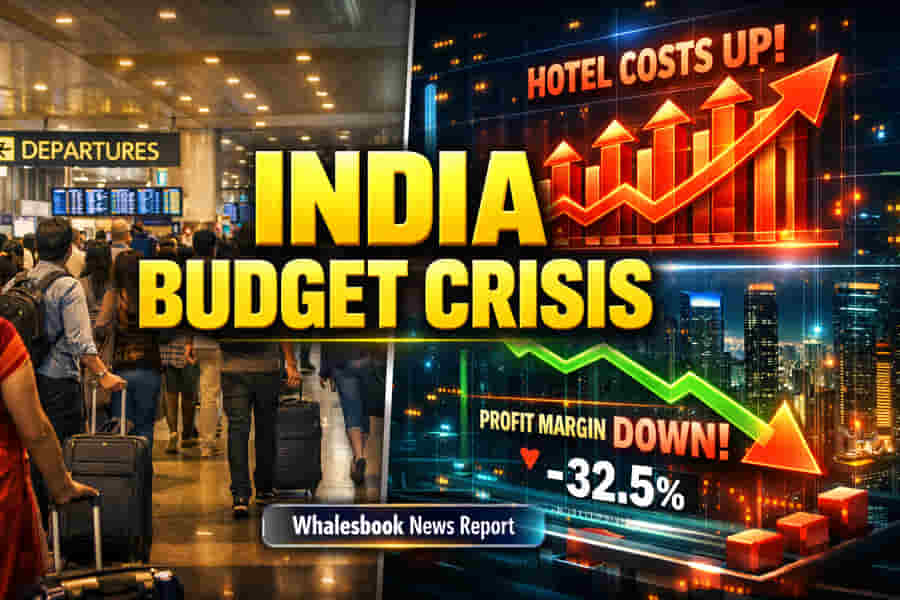
Budget 2026 Expectations for Tourism Sector
India's tourism and hospitality industry is bracing for the Union Budget 2026, with sector leaders demanding significant policy interventions to fuel sustained growth. While demand for travel has shown robust recovery and new destinations are emerging, industry stakeholders emphasize the urgent need for policy support to navigate a competitive and increasingly digital global market.
Pressures on Profitability
Hotel operators report strong demand and improved occupancy rates in 2025, driven by rising domestic travel and a preference for branded hospitality. However, profitability remains under threat. Key challenges include escalating operating costs, persistent staff shortages, and complex compliance requirements, industry veterans note.
Calls for Targeted Reforms
Dr. Vikram Kamat, Chairman and Managing Director of VITSKAMATS Group, highlighted expectations from the upcoming budget. These include incentives for green and tech-enabled hotels, streamlined access to credit for expansion initiatives, and focused skill development programs. Kamat also stressed the importance of better infrastructure and the promotion of new tourist circuits to maintain industry momentum.
Amit Kumar Singh, Founder and Managing Director of OPO Hotels and Resorts, advocated for policy support geared towards regional expansion, particularly in Tier 2 and Tier 3 cities where demand is escalating. He specifically called for enhanced tax incentives for hotel infrastructure in these areas.
GST and Credit Access
Singh further proposed a reduction in Goods and Services Tax (GST) for budget and mid-scale hotels, a move he believes would boost domestic tourism and improve margins for smaller operators. Easier access to credit for hotel renovations and brownfield conversions was also identified as a critical factor for organized growth, alongside improvements in connectivity and digital tourism initiatives.
Holiday Homes and Skill Development
The burgeoning holiday home and rental housing segment also seeks policy recognition, as the lines between residential real estate and hospitality blur. Developers are looking for policy stability, infrastructure financing incentives, and planning flexibility to formalize the luxury rental market and encourage sustainable development.
A significant concern across the sector is the shortage of skilled manpower. Jyoti Mayal, Chairperson of the Tourism and Hospitality Skill Council, urged the government to prioritize long-pending skilling reforms. This includes developing industry-aligned curricula, modern training methods, digital and AI-based learning tools, and strengthening regional skill centers and apprenticeships to enhance employability and meet the goals of Tourism Vision 2047.