

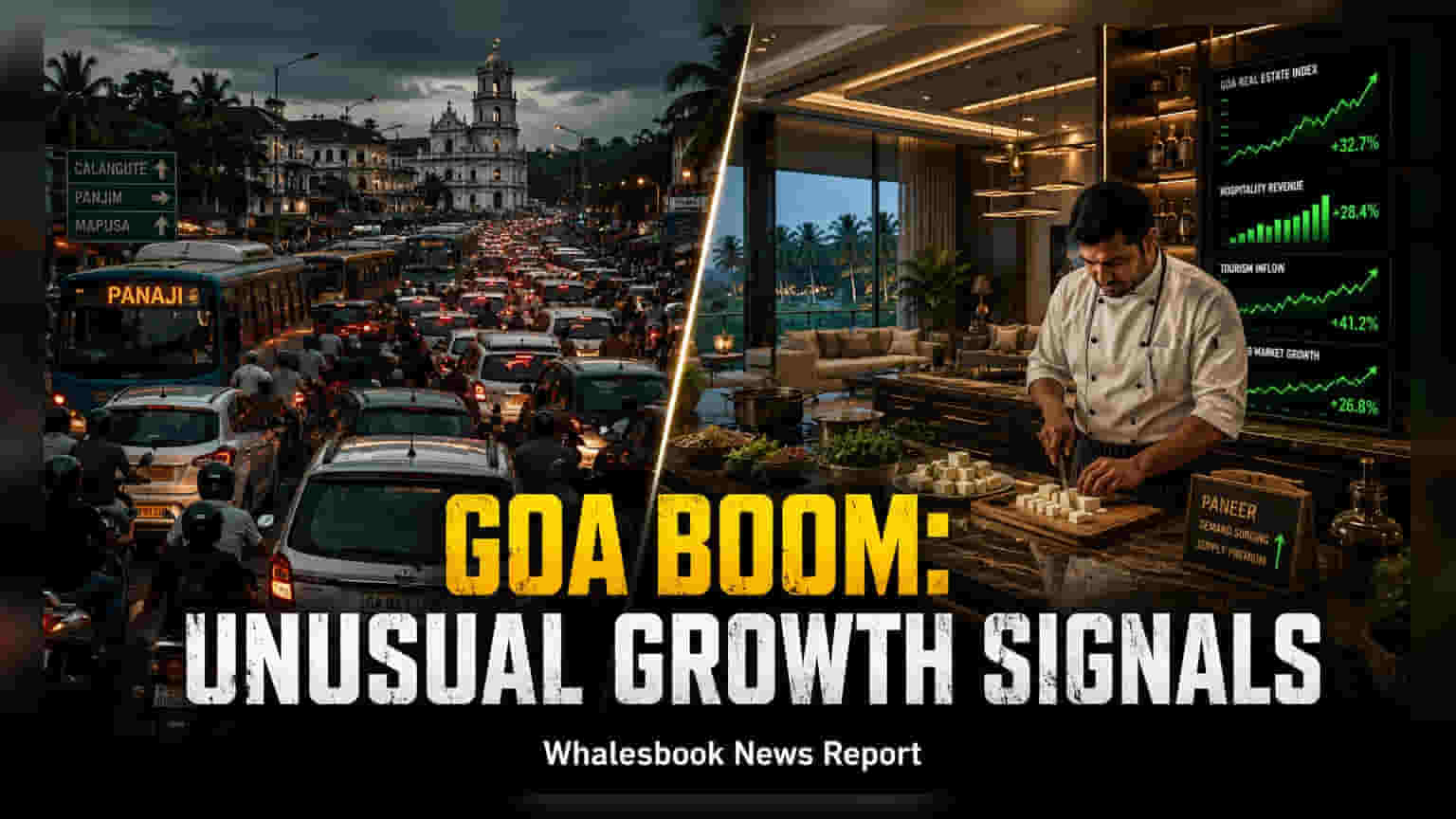
Goa's tourism sector is seeing a transformation as traditional hotel and flight data fail to capture the full picture of visitor activity. Rising demand for private villa rentals and a shift toward road travel from neighboring states are driving local economic changes. This trend, bolstered by a changing tourist demographic, suggests that unconventional metrics now better reflect the state's true tourism health.
Goa's tourism landscape is undergoing a structural change that traditional industry data, such as flight bookings and hotel occupancy rates, no longer fully capture. While official air passenger numbers showed significant volatility—hitting a peak of 18.18 lakh in May 2026 before dropping 19.4% in June—these figures obscure the actual volume of visitors entering the state. A growing number of tourists are choosing to travel by road from states like Karnataka and Telangana, driven by the rising cost of air travel and the convenience of driving personal vehicles to avoid high local taxi fares.
The Rise of Private Rentals and Homestays
One of the most notable shifts in the Goan economy is the move away from traditional hotel stays toward short-term private rentals, such as villas and Airbnb properties. Areas like Calangute and Candolim have emerged as major hubs for these listings, often competing with large metropolitan cities in terms of supply. Data from rental tracking platforms indicates that villages like Assagao are generating significant revenue from this segment. This shift has given rise to a new ecosystem of professional villa management companies that cater to both property owners and short-term renters, creating a decentralized hospitality sector that often operates outside the reporting framework of traditional luxury hotel indices.
Evolving Tourist Demographics and Spending
Business patterns in the state are also adapting to a new type of domestic tourist. The increasing demand for vegetarian culinary options, exemplified by the widespread addition of paneer-based dishes to local menus, signals a demographic shift in the visitor base. This spending power is encouraging local businesses to maintain operations throughout the monsoon season, rather than shutting down. By operating at reduced capacity during the off-season, businesses are avoiding the cyclical costs of hiring and training new staff every year. Furthermore, the pandemic-era trend of remote work has left a population of permanent residents in the state, which has created a steady baseline of demand for local services, including food delivery and utility support, independent of the seasonal tourist influx.
Investors looking at the region's economic health should monitor these alternative metrics, such as private rental revenue growth and road traffic patterns, as they often provide a more accurate picture than aviation data. The next phase of this evolution will likely depend on how the local infrastructure manages the increased pressure from road travel and whether the rise in private rentals leads to more formal regulatory oversight in the coming quarters.