

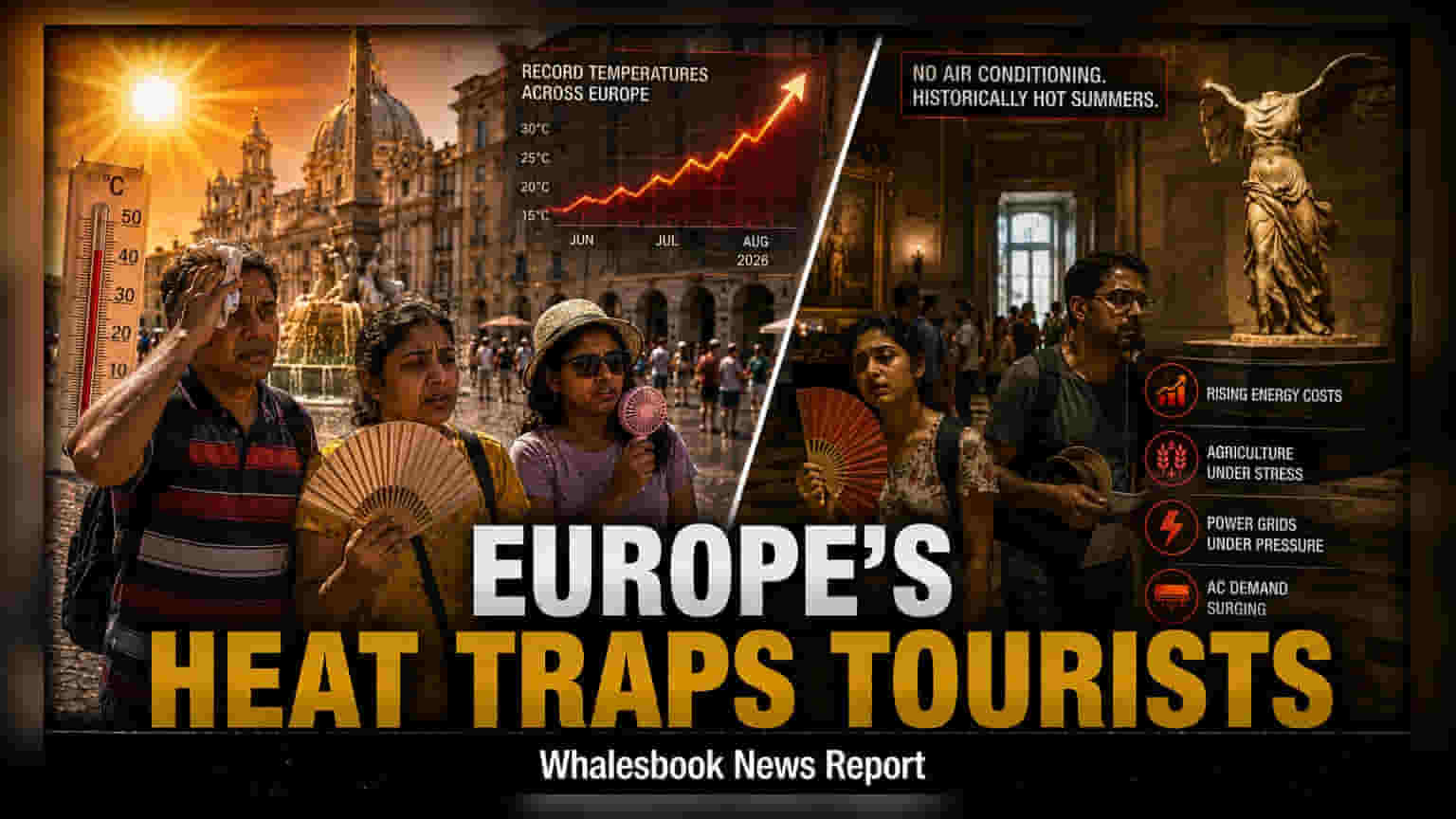
Intense summer heat across Europe is changing travel habits for Indian tourists, with a shift toward cooler northern destinations. This trend highlights a growing need for air conditioning infrastructure in a region historically reliant on moderate temperatures, creating potential opportunities for cooling solution manufacturers.
The summer of 2026 has been marked by record-breaking temperatures across Europe, significantly altering the travel experience for international visitors, including those from India. While Europe remains a top destination, the persistent heat is forcing a rethink in travel logistics, with many families opting to avoid traditionally warmer spots in Southern Europe in favor of 'coolcations' in northern regions and Nordic countries.
This shift in consumer behavior is not just limited to where people travel, but when they visit. Travelers are increasingly scheduling major sightseeing activities during early morning or late evening hours to avoid peak temperatures. For the tourism sector, this change in rhythm is becoming a standard operational reality rather than a temporary anomaly.
The Emerging Opportunity for Cooling Solutions
The lack of widespread air conditioning in many European public spaces, museums, and older hotels—a standard feature in warmer climates like India—has become a focal point of traveler dissatisfaction. This infrastructure gap is now attracting attention from the appliance industry. As European summers become hotter and more prolonged, there is a clear, rising demand for advanced cooling technologies and residential air conditioning units.
Indian appliance manufacturers, including companies like Godrej, have been evaluating these market shifts, identifying Europe as a potential growth area for export-led expansion. The necessity for retrofitting older European buildings with climate control systems presents a long-term business opportunity for firms that can meet local regulatory and efficiency standards.
Economic Divergence in Europe
Despite the clear challenges posed by the heatwave, including disruptions to river-based logistics and increased energy costs, European stock markets have shown surprising resilience in August 2026, with several reaching record highs. This performance creates a divergence between the macroeconomic resilience of financial markets and the microeconomic impact of climate events on local industries.
The heat has notably pressured sectors like agriculture, where crop yields have declined, and energy, where peak cooling demand is stressing power grids. For investors, the long-term impact of these heatwaves on government spending—specifically regarding infrastructure adaptation and energy subsidies—remains a key area to watch. Higher energy costs and potential inflationary pressures from food prices may influence European central bank policies in the coming quarters.
As climate patterns continue to evolve, the ability of tourism operators to adapt their offerings and the capacity of the HVAC industry to address Europe's infrastructure gap will be crucial factors. Future updates on European climate policy and infrastructure spending plans will provide more clarity on how these challenges will be mitigated over the next decade.