

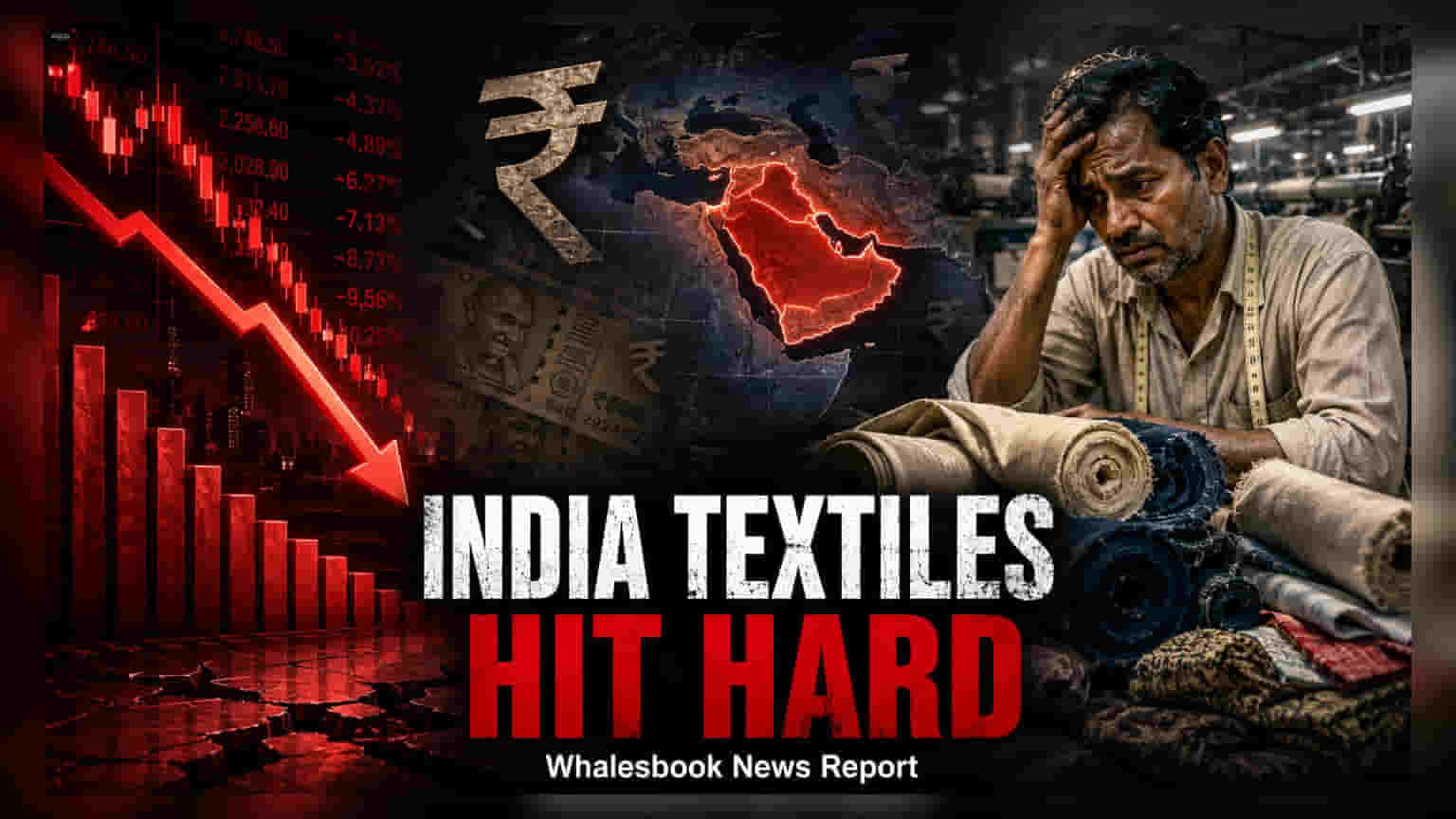
India's apparel exports dropped 12.44% in the first quarter of fiscal year 2026-27, while textile exports grew 5.19%. The combined sector faced a 2.95% decline in export value during the period. Rising raw material costs and geopolitical instability in West Asia are key challenges currently impacting manufacturer profit margins and trade volumes.
The Indian textile and apparel sector faced a mixed start to the 2026-27 financial year, with a notable gap between the performance of textile products and finished garments. Between April and June 2026, while textile exports managed a growth of 5.19% compared to the same period last year, the apparel segment suffered a sharp contraction of 12.44%. This imbalance resulted in an overall decline of 2.95% for the combined sector during the first quarter.
Raw Material Costs and Pricing Power
A critical factor in this performance gap is the ability of manufacturers to manage rising input costs. Data from industry discussions indicates that the cost of yarn has increased by approximately 20% since November 2025. Textile exporters have largely been able to pass these higher costs on to their customers. In contrast, apparel manufacturers face high price sensitivity in global markets, making it difficult to raise prices for finished garments without losing orders to cheaper competitors. This has placed significant pressure on the profit margins of garment makers, as they are absorbing the increased production expenses that they cannot recover through higher sale prices.
Impact of West Asia Geopolitical Tensions
Beyond production costs, the ongoing conflict in West Asia has acted as a major hurdle for export volumes. The region serves as a significant destination for Indian apparel shipments, particularly countries like Saudi Arabia and the United Arab Emirates. Disrupted logistics and reduced demand in these conflict-affected areas have directly hit the export figures. Unlike textile exports, which may be more diversified or hold a different demand profile, the concentrated nature of apparel exports to this region has made the segment particularly vulnerable to geopolitical instability.
What Investors Should Monitor
Investors tracking the textile sector should focus on whether apparel manufacturers can navigate these margin pressures in the coming quarters. The key monitorable will be the trend in raw material prices, particularly yarn, and whether companies can stabilize their margins through operational efficiency or by shifting toward higher-value products. Additionally, the recovery of export volumes will depend heavily on the stabilization of trade routes and demand in the Middle East. If the trend of falling apparel exports continues, it could lead to further inventory build-up and increased debt pressure for companies heavily dependent on the garment export business.