

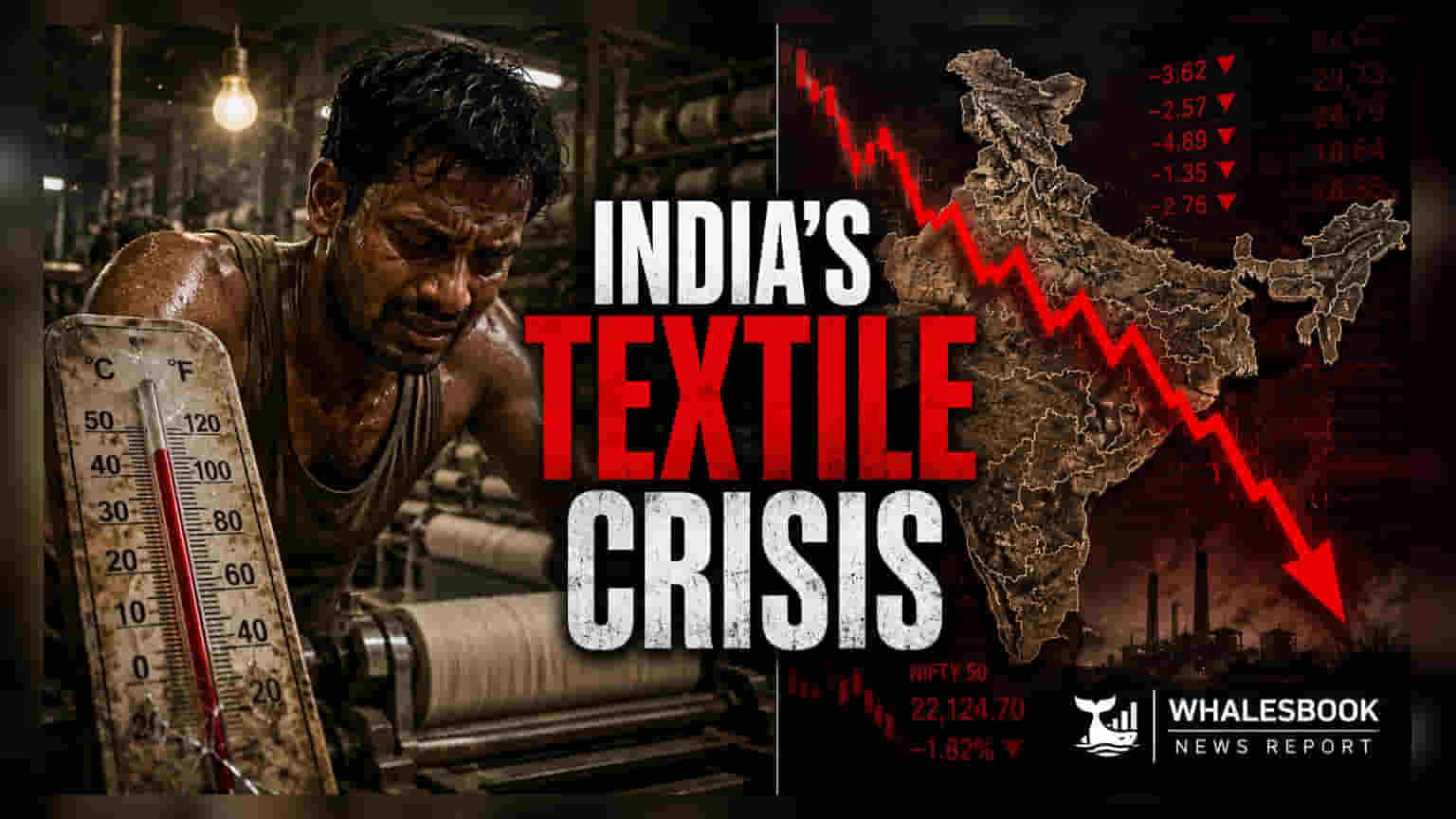
Extreme heat is reducing factory productivity by up to 10% in India’s textile sector, threatening the industry's $100 billion export target for 2030. Investors should monitor potential margin pressure as manufacturers face rising energy costs for cooling and possible production delays.
What Happened
India’s textile sector, a vital pillar of the manufacturing economy, is facing operational headwinds due to sustained extreme heat. Recent industry data indicates that factory productivity has dropped by as much as 10% during peak summer months. This decline is largely attributed to the physical toll on the workforce, frequent equipment overheating, and operational disruptions. While the industry is pushing toward an ambitious target of $100 billion in textile exports by 2030, current environmental conditions are creating a challenging operating environment for many manufacturing units.
The Productivity And Cost Challenge
For investors, the primary concern lies in the link between heat stress and operational efficiency. In labor-intensive manufacturing, such as garment sewing and weaving, higher temperatures directly correlate with slower output and increased absenteeism. When productivity dips, fixed costs like electricity and labor per unit produced tend to rise, which can squeeze profit margins.
Furthermore, companies are increasingly forced to invest in better cooling infrastructure and factory ventilation to maintain safe working conditions and machine health. While this necessary capital spending improves long-term resilience, it adds to short-term operational expenses. If these costs cannot be passed on to global buyers—who are often bound by strict price points—the profitability of textile manufacturers may face pressure.
Impact On Export Goals
India is actively working to cement its position in the global textile supply chain, with the government and industry stakeholders reiterating the goal of hitting $100 billion in exports by 2030. However, the current heat-induced productivity decline poses a risk to these timelines.
Competitiveness is also a key factor. Indian manufacturers are currently vying for a larger share of the global market as buyers look to diversify sourcing. If factories consistently face production delays or delivery slippages due to operational shutdowns, it may jeopardize India's competitive advantage compared to other manufacturing hubs. Consistency in supply is as important as the cost of production for international buyers.
How Investors May Read This
The current situation creates a delicate balance for listed textile companies. Proactive players that invest in modern, climate-resilient factory designs may emerge stronger, even if their short-term capital expenditure is higher. Conversely, companies that struggle to manage these operational inefficiencies may see more volatile quarterly results.
What Investors Should Track
Investors should look for commentary in upcoming quarterly earnings reports specifically regarding:
- Operating Expenses: Any mention of increased electricity or utility costs related to cooling infrastructure.
- Capacity Utilization: Whether production volumes are being affected by operational downtimes or heat-related labor issues.
- Management Strategy: Commentary on how companies are adapting to climate risks to ensure on-time delivery for global clients.
- Margin Trends: Whether the company is able to maintain stable margins despite rising energy and infrastructure costs.