

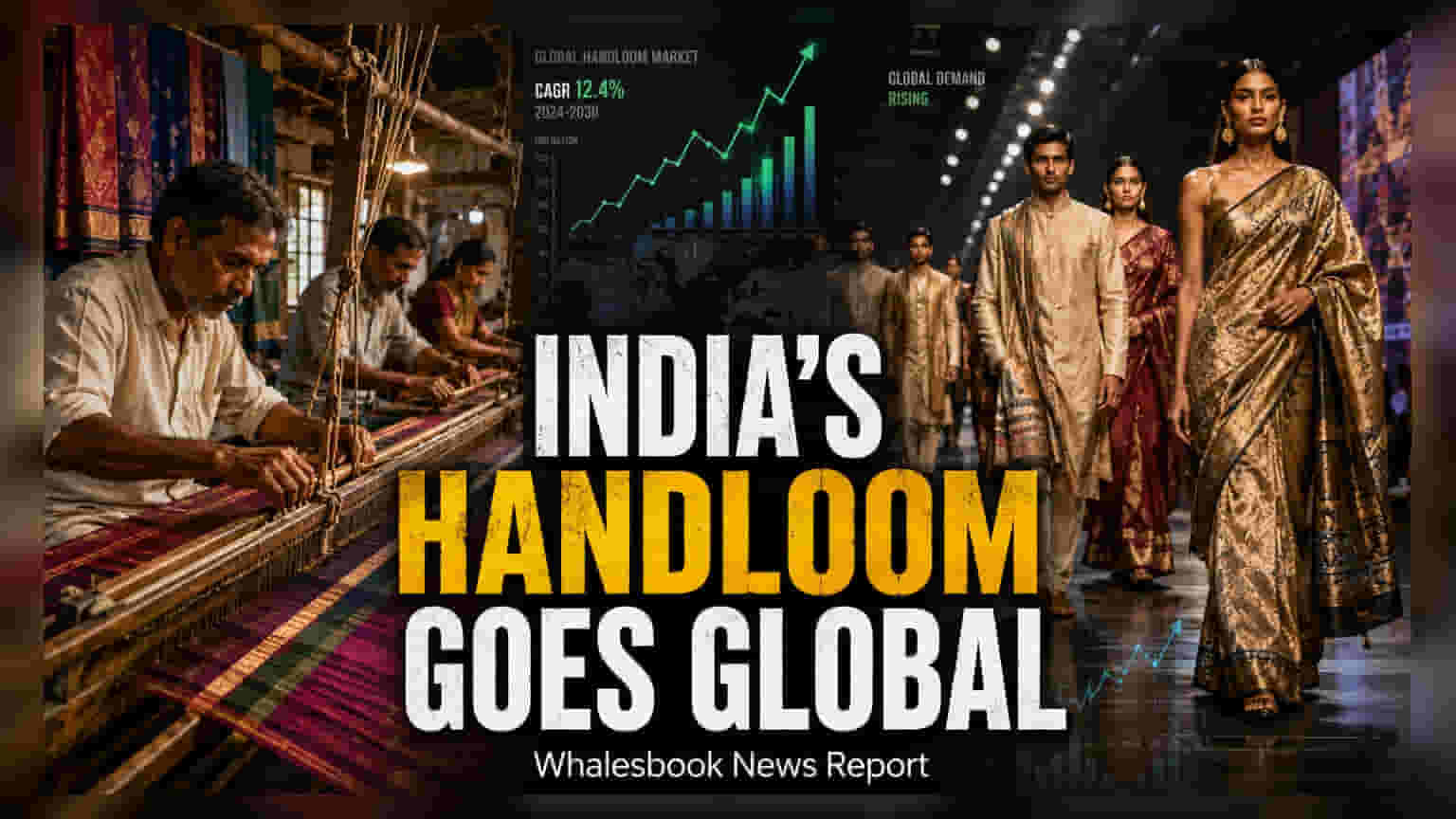
India is pushing to elevate its handloom sector by blending traditional craftsmanship with modern luxury branding. Following discussions at the recent Bharat Tex 2026 event, the government and industry leaders are focusing on artisan empowerment and quality standards to compete with European luxury markets.
Detailed Coverage
The Indian textile industry is undergoing a strategic shift, moving from being a traditional fabric supplier to establishing a foothold in the global luxury market. During the Bharat Tex 2026 event, held in New Delhi from July 14th to 17th, government officials and industry experts discussed how to position India’s rich handloom heritage as a premium, high-value global product. This move is centered on moving away from low-cost competition and toward higher-value products that command better pricing.
Strategic Focus on Quality and Traceability
A primary challenge in scaling India's luxury textile presence has been the fragmented nature of production and the need for standardized quality control. The Ministry of Textiles has highlighted the integration of technology, specifically blockchain, to ensure traceability. For investors and stakeholders, this is a significant step toward combating counterfeit goods and establishing trust in international markets. By verifying the origin and authenticity of handwoven products, companies may be better positioned to justify premium pricing, which is a common practice among established luxury brands in Italy and France.
Empowering the Artisan Economy
Collaborative models, such as those showcased by designers including Vaishali S Couture, are changing how collections are developed. By integrating artisans into the design process from the initial loom stage, firms aim to improve product innovation and secure the supply chain. This approach is intended to create a more sustainable business advantage, as it ensures the preservation of unique weaving techniques while adapting them to modern fashion requirements. Strengthening the artisan economy is expected to help MSME-focused textile firms improve their operating margins by moving up the value chain.
Global Market Challenges
While the push for luxury positioning is ambitious, the textile sector faces recurring pressures that investors should track. These include raw material price volatility, global demand fluctuations in export markets, and the cost of adhering to international sustainability and labor standards. Furthermore, successfully competing in the global luxury space requires substantial investment in international branding and distribution, which could lead to increased spending in the short term.
What Investors Should Monitor Next
The ultimate success of this strategy will depend on the actual adoption of these quality standards by manufacturers and the ability of Indian brands to successfully scale their presence at major international fashion events. Investors may follow future announcements regarding the implementation of blockchain-based traceability schemes and government-backed credit or support initiatives for MSMEs, as these will directly influence the sector's operational efficiency and export competitiveness.