

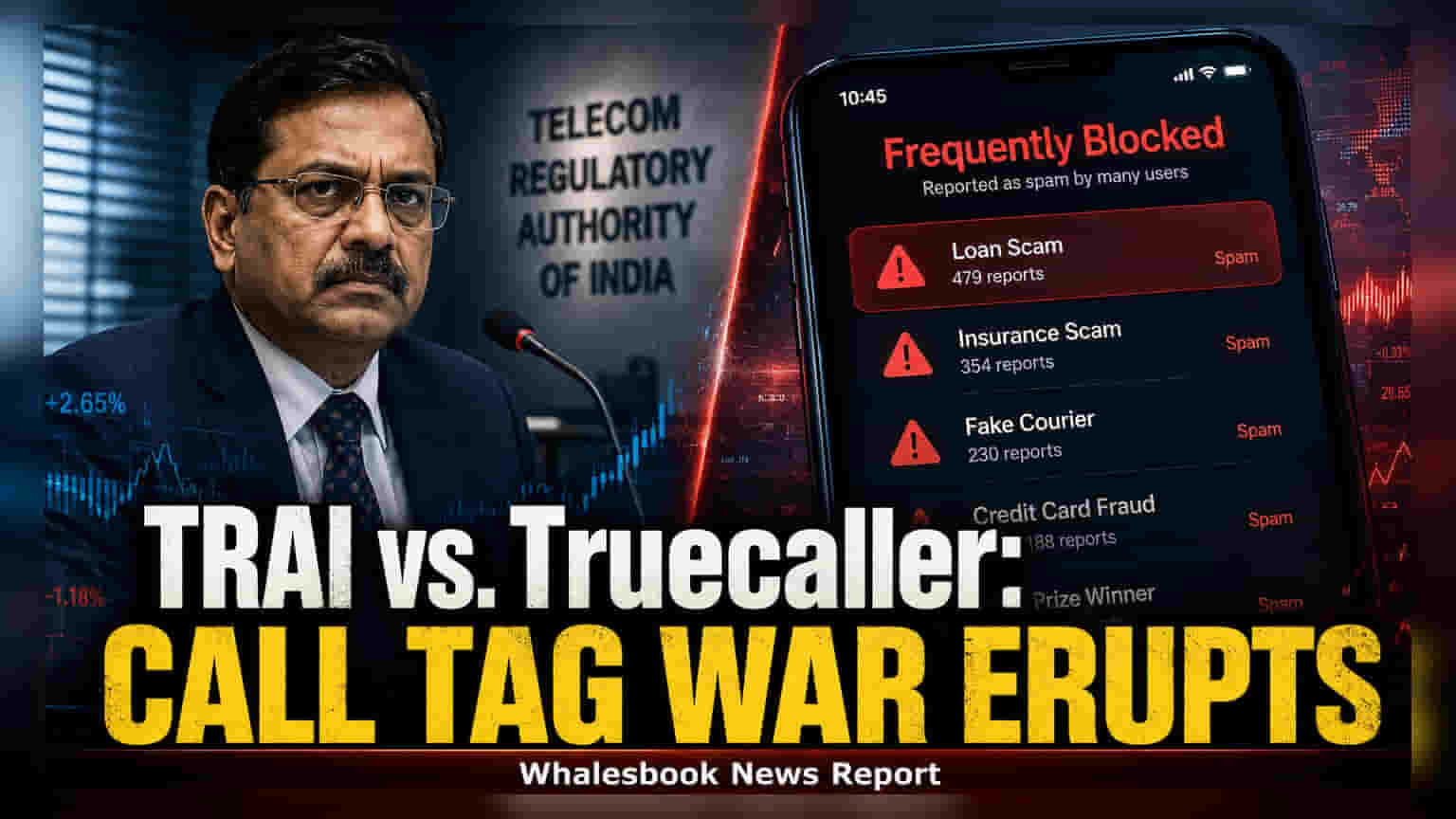
The Telecom Regulatory Authority of India has raised objections over Truecaller labeling calls from the 1600 and 140 series as 'frequently blocked.' The regulator argues this practice creates unnecessary suspicion for essential government and financial services communications. TRAI suggests users should instead rely on its official Do Not Disturb app to manage unwanted calls.
The Telecom Regulatory Authority of India (TRAI) has challenged Truecaller’s practice of applying a 'frequently blocked' label to calls made through specific, government-mandated number series. These series, particularly 1600 and 140, are reserved for regulated activities. The 1600 series is dedicated to essential transactions such as banking alerts, financial verification, and government notifications, while the 140 series is used for registered promotional communications.
Impact on Essential Communications
TRAI officials have expressed concern that labeling these numbers creates unwarranted consumer suspicion. Because the 1600 series is utilized by entities regulated by the Reserve Bank of India, SEBI, and IRDAI for critical services like fraud alerts and transaction updates, the regulator argues that any interference or negative tagging could lead to consumers missing important information. From a regulatory perspective, TRAI asserts that this tagging practice potentially misguides the public.
Shift Toward Official DND Framework
Instead of third-party call filtering, the regulator is promoting the use of its own Do Not Disturb (DND) preference management application. TRAI contends that the DND system is a more robust, official mechanism for consumers to choose which types of communications they wish to receive. The authority is focusing on increasing public awareness of this app as the primary solution for managing unwanted marketing or service calls.
Differing Views on Spam Management
Truecaller, for its part, maintains that it has adjusted its practices to comply with regulatory expectations. The company stated that it no longer marks these specific series as 'spam' but continues to use the 'frequently blocked' label based on community reporting and algorithm-driven user data. Truecaller has previously argued that the mandate for dedicated series has limited its ability to display community-reported information, which it claims led to a rise in spam calls reaching users.
Current Market and Regulatory Context
TRAI has clarified that the bulk of unsolicited marketing calls in India originates from standard mobile and landline numbers rather than the protected series. The regulator noted that telecom operators are already employing AI-based systems to identify and flag approximately 26 to 27 crore unsolicited calls daily. TRAI maintains that it will continue to monitor the situation, as it views the current DND framework as the correct way to handle promotional traffic. Investors and users may monitor how this disagreement evolves, as it touches upon the ongoing tension between third-party service providers and regulatory bodies regarding data control and consumer communication management.