

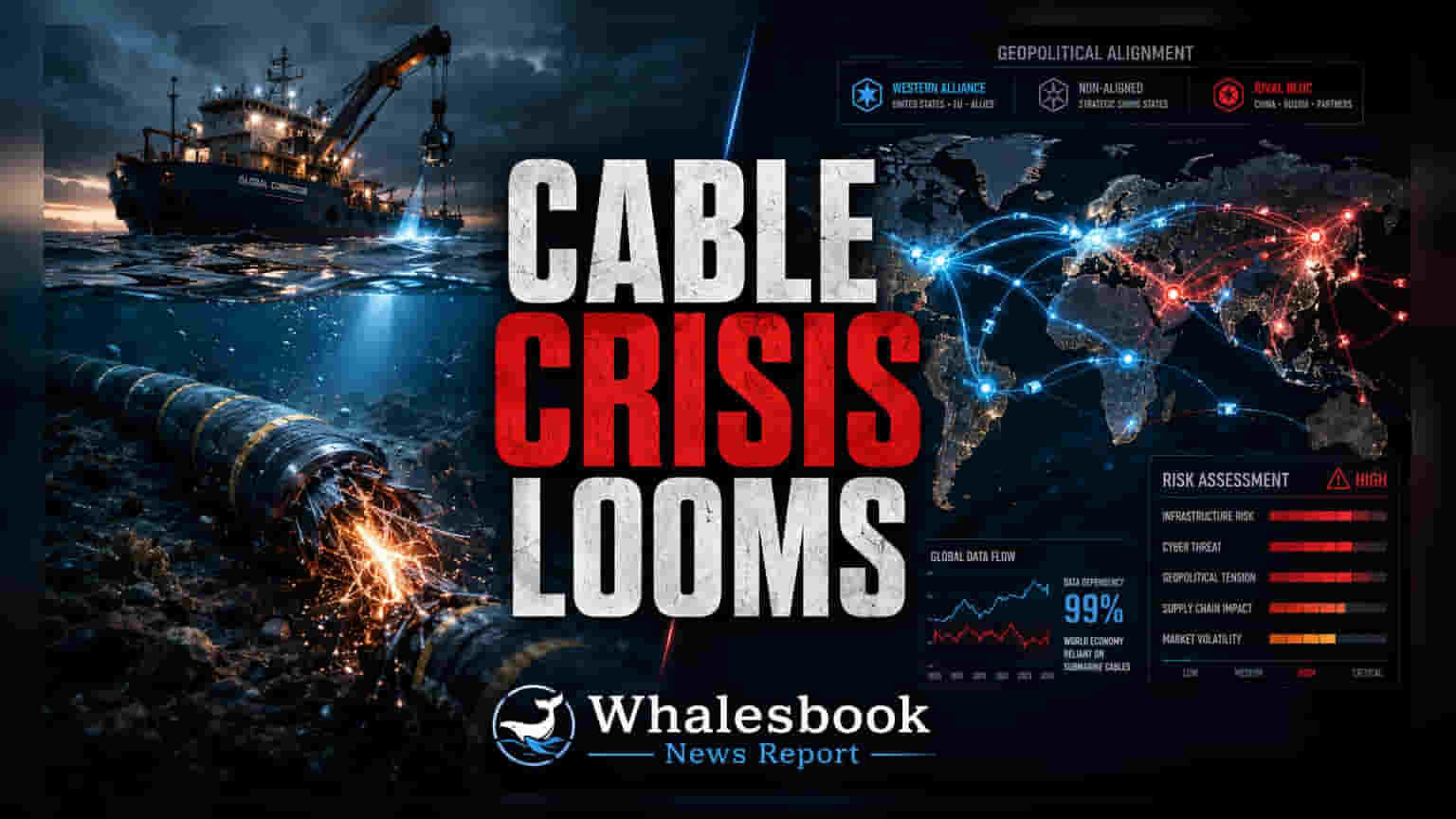
Geopolitical tensions in regions like the Red Sea are threatening critical undersea data cables, potentially disrupting global financial and cloud services. With repair times often exceeding 50 days, the vulnerability of these digital arteries has become a major concern for international connectivity. Indian and global firms are now being encouraged to increase domestic ownership and secure repair access to ensure operational stability.
The global reliance on submarine cable networks has come under scrutiny as geopolitical conflicts in the Middle East expose the fragility of digital infrastructure. These underwater cables are the backbone of the internet, carrying the vast majority of international data traffic, including banking transactions and cloud computing operations. Critical transit points such as the Red Sea and the Strait of Hormuz, which host major conduits like the 2Africa and AAE-1 systems, are now viewed as high-risk choke points.
The Shift in Cable Ownership
Historically, the subsea cable market was managed almost exclusively by traditional telecommunications providers. Companies such as Orange and Vodafone remain prominent, but the sector is witnessing a significant transformation. Tech giants, often referred to as hyperscalers, are aggressively acquiring stakes in these systems to secure their own data flow. Google currently holds interests in approximately 34 cable systems, while Meta is involved in 19. In the Indian context, Tata Communications remains a significant player, maintaining co-ownership stakes in 18 different cable systems, which provides the company with a strategic advantage in managing international connectivity.
Maintenance Challenges and Repair Risks
Beyond the risk of physical damage, the logistical complexity of maintaining these cables poses a substantial threat to business continuity. Over the past three years, the industry has recorded between 150 and 200 cable faults annually. When a disruption occurs, the repair process is both expensive and slow, with average wait times reaching 55 days. Specialized cable-laying and repair vessels, which can cost as much as $130 million to construct, are often in short supply. Geopolitical friction can further complicate these repairs, as shared maintenance agreements often falter when diplomatic relations between transit nations and cable owners deteriorate.
Strategic Resilience for Indian Infrastructure
Recent analysis suggests that national resilience is tied closely to the ownership index of these systems. India, along with countries like Australia, China, and the US, currently maintains a high ownership index, which theoretically offers better control over connectivity. However, control is not just about ownership; it is about the ability to execute repairs during a crisis. France holds a notable advantage in this regard due to its significant fleet of specialized repair vessels. To protect domestic financial services and digital infrastructure from prolonged outages, industry experts suggest that companies should prioritize increasing their domestic ownership stakes and entering into robust cooperative maintenance agreements that remain functional even during periods of international instability. Investors should continue to monitor how telecommunications companies adjust their capital spending to address these infrastructure risks and secure access to critical repair assets.