

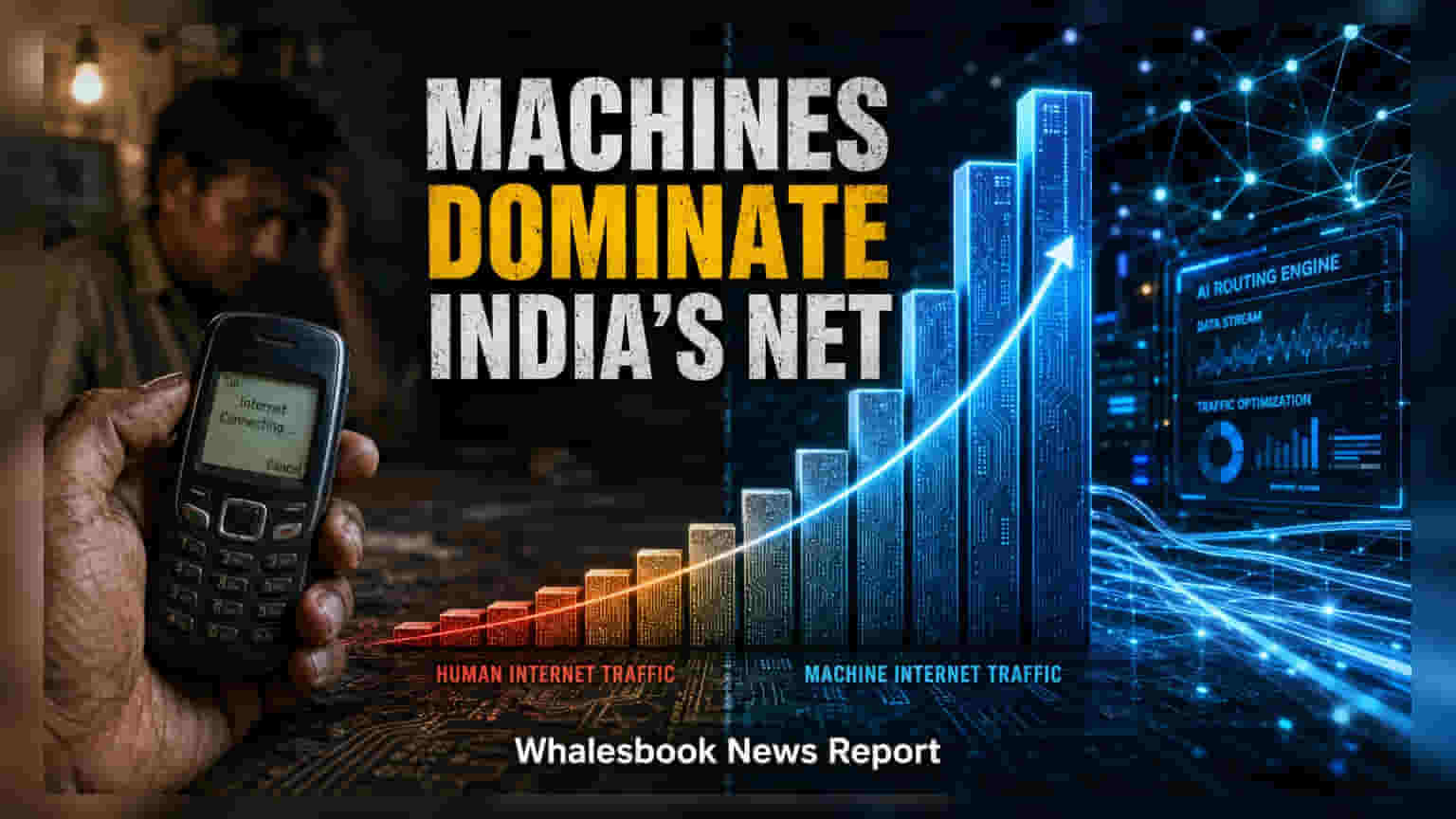
In June 2026, the majority of new mobile connections in India were for machines rather than humans. This surge in machine-to-machine, or M2M, connections reflects the rapid growth of the Internet of Things, creating new revenue opportunities and technical challenges for major telecom service providers.
The Indian telecommunications sector is undergoing a quiet but significant change. Official industry data for June 2026 reveals that the majority of new mobile connections activated across the country are now being used by machines, not people. These connections are part of the Internet of Things (IoT) ecosystem, where devices communicate directly with one another without needing human intervention.
Why Machine-to-Machine Growth Matters
Unlike traditional mobile connections used for voice calls, text messaging, or video streaming, these machine-to-machine, or M2M, connections are designed for constant, small-scale data exchange. They are essential for modern technology setups, such as smart electricity meters, connected vehicles, industrial sensors in factories, and remote health monitoring systems. Because these devices stay connected 24/7 to report data, they are becoming a vital and stable subscriber base for telecom network operators.
For investors, this shift indicates that telecom companies are diversifying their income beyond the average human consumer. While human subscribers often switch providers to find cheaper data plans, machines are typically tied to long-term contracts for specific industrial or utility services. This could eventually lead to more stable, recurring revenue for operators. However, these connections often generate much lower average revenue per user (ARPU) compared to premium human data plans, meaning companies must scale these services to millions of devices to see a meaningful impact on their bottom line.
Network and Operational Demands
This growth in autonomous devices places new requirements on network infrastructure. Telecom providers must now ensure that their networks can handle a massive volume of small data packets simultaneously, rather than just focusing on high-speed data for streaming. Managing this load efficiently without disrupting standard consumer services will be a major technical challenge. Companies that can provide secure, reliable, and energy-efficient connectivity for these machines will likely gain an advantage in the industrial and smart city sectors.
Investors should monitor how individual telecom providers report their subscriber additions in upcoming quarterly results. Specifically, it will be important to see if companies begin to separate human subscriber growth from M2M growth in their investor presentations. This disclosure would provide better clarity on whether the growth is coming from high-value human users or from lower-margin, high-volume machine connections. Future updates will likely focus on whether this segment contributes to improved profit margins or if the cost of managing the increased network complexity offsets the gains from new device connections.