

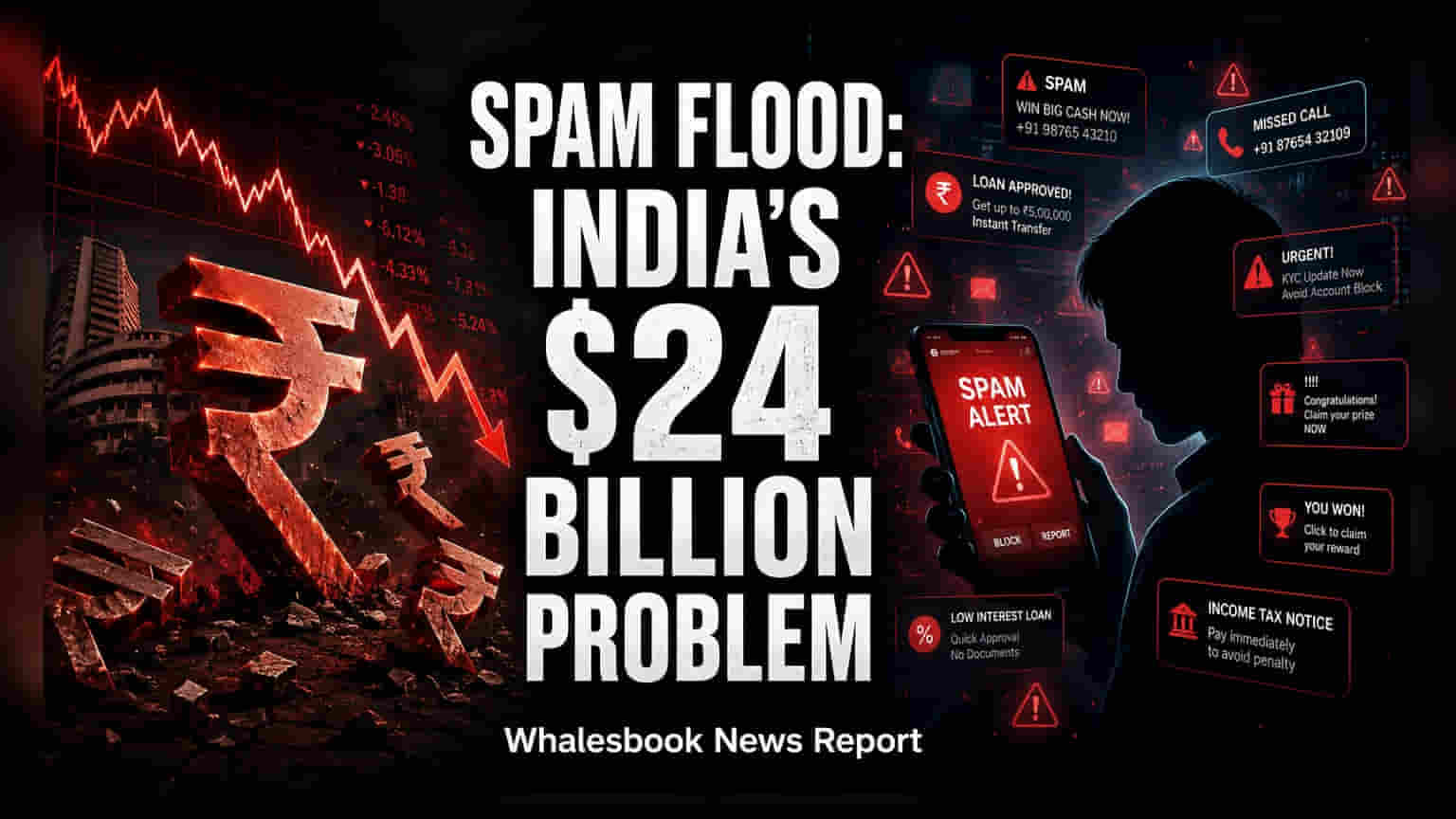
Telecom operators in India used AI to flag over 24.4 billion suspected spam calls and texts between April and June 2026. Despite this massive filtering effort, consumer complaints surged by nearly 40% compared to 2025 levels. The persistence of unsolicited messages, coupled with low DND registration rates, remains a significant operational and regulatory challenge for the telecom sector.
Indian telecom operators deployed AI-driven systems to identify and flag approximately 24.43 billion suspected spam calls and messages during the April-June quarter of the 2026-27 financial year. This figure, which includes 22.99 billion calls and 1.44 billion SMS, highlights the massive scale of unsolicited commercial communication (UCC) flowing through the nation's networks. Despite these aggressive filtering measures, which averaged hundreds of millions of blocks daily, consumer frustration is on the rise.
Surge in Consumer Complaints
Official data from the Telecom Regulatory Authority of India (TRAI) shows that consumer grievances related to spam have jumped significantly. In the first quarter of the 2026-27 fiscal year, TRAI received 1.085 million complaints regarding unsolicited communication, marking a nearly 40% increase compared to the quarterly average recorded throughout 2025. Out of these, approximately 553,000 complaints were classified as actionable. The popularity of the TRAI ‘Do Not Disturb’ (DND) app has helped, with 89% of these complaints filed through the platform, which saw cumulative downloads reach 3.316 million by the end of June 2026.
Regulatory Enforcement Intensifies
To manage the spam menace, regulators have pushed for stricter enforcement actions against offending entities. During the quarter, telecom operators barred 137,053 telecom resources for 15 days and disconnected 46,786 resources for a full year due to repeat violations. Additionally, 263 senders were blacklisted, and 2,873 SMS headers were blocked. For major telecom operators like Reliance Jio, Bharti Airtel, and Vodafone Idea, this regulatory environment brings both operational and financial implications. Investing in, maintaining, and upgrading AI-based spam detection systems requires consistent capital spending. Furthermore, operators face the risk of penalties if they fail to implement mandated controls or if complaint volumes remain elevated, signaling a potential gap in their spam-prevention effectiveness.
The DND Registration Gap
A critical factor in the persistent spam issue is the low level of consumer adoption for the Do Not Disturb registry. With only about 16% of India’s 1.348 billion mobile subscribers registered under DND, the vast majority of users remain vulnerable, relying entirely on the operators' proactive filtering rather than personal settings. This gap keeps the burden of protection squarely on the telecom infrastructure.
As the industry moves forward, the primary monitorable will be the effectiveness of new measures, such as the mandatory 1601-series numbering for service calls. Investors and industry participants will be tracking whether this, along with existing AI filters, can actually lower complaint volumes or if the sheer scale of the spam economy continues to outpace regulatory and technological defenses.