 Whalesbook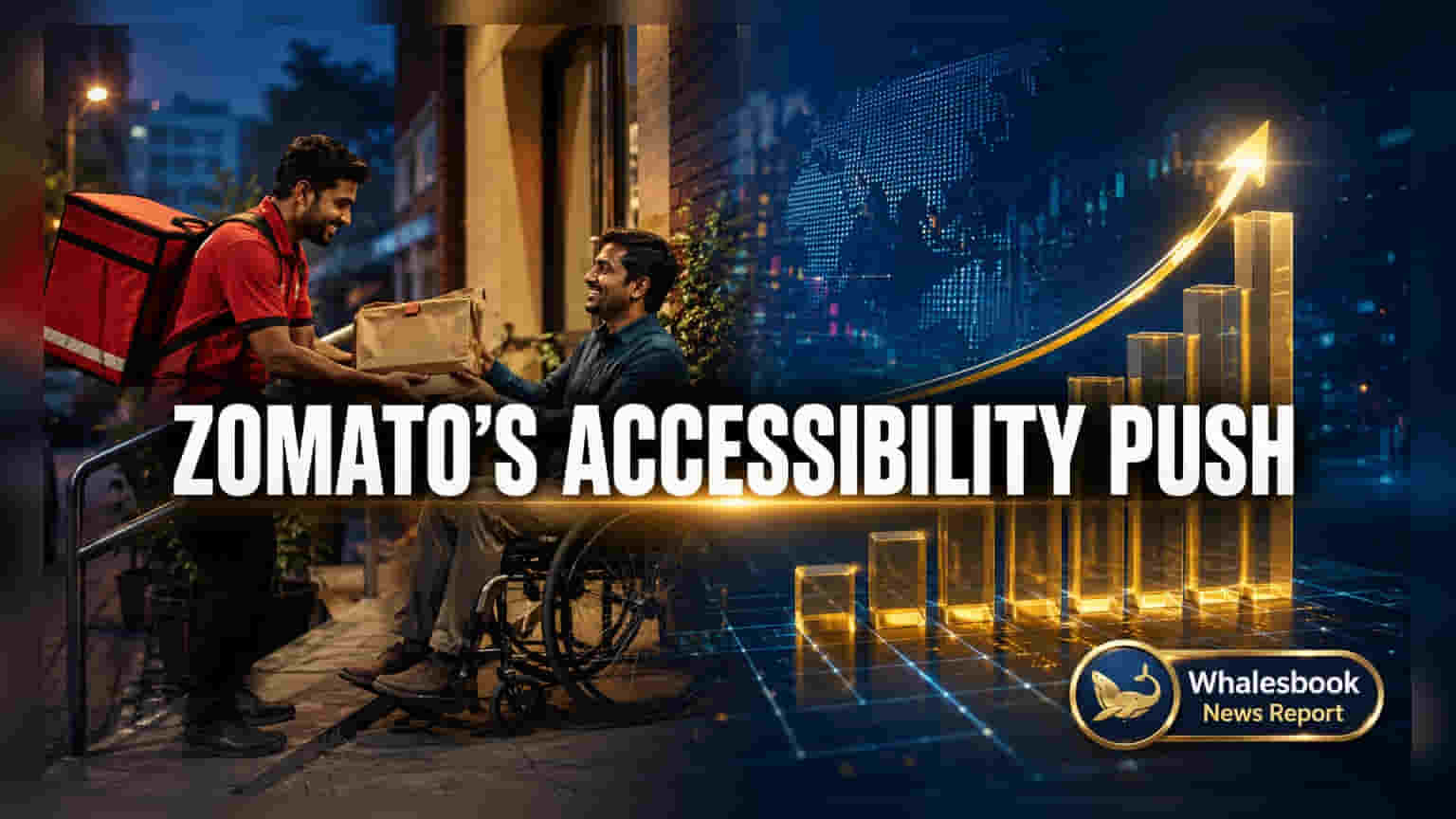


Beyond the Core: The District Strategy
Eternal Ltd’s initiative to integrate an Inclusive Dining Toolkit into its District platform marks a calculated effort to expand the reach of its 'Going-out' vertical. Rather than relying solely on high-volume entertainment and ticketing revenue, the company is positioning the platform as a comprehensive lifestyle utility. By addressing the infrastructure gaps—ranging from wheelchair access to menu readability—District is attempting to solidify its role as the preferred discovery partner for a broader demographic, theoretically increasing total addressable market (TAM) through enhanced customer trust and frequency of use.
The Competitive Math of Inclusivity
While the public narrative focuses on social responsibility, the commercial logic is driven by the necessity for differentiation. Eternal faces a crowded landscape in both food delivery and the broader 'Going-out' space. Unlike core food delivery, which is heavily reliant on discounting to maintain Gross Order Value (GOV) growth, the 'Going-out' segment, which includes dining reservations and event ticketing, offers higher-margin potential. By standardizing accessibility, the firm aims to create a 'sticky' ecosystem. However, this relies entirely on the successful adoption of these guidelines by restaurant partners, who are already grappling with thin margins and rising operational costs.
Valuation and Market Reality
Eternal currently trades at a trailing P/E ratio exceeding 550x, signaling that the market is pricing in aggressive future growth rather than current earnings performance. Investors are looking past the 90% year-on-year profit decline noted in mid-2025 results, focusing instead on the scaling of Blinkit and the potential for the District unit to become a third major profit engine. The success of accessibility-led growth hinges on execution; if the District platform fails to capture a meaningful share of the premium dining and lifestyle segment, the cost of these initiatives will be viewed as purely incremental marketing spend rather than a strategic moat.
Structural Risks and the Bear Case
From a risk-averse perspective, the decentralization of Eternal into four distinct P&L units creates internal friction and management complexity. While the leadership pivot toward Albinder Dhindsa and the focus on quick commerce are intended to streamline operations, the 'Going-out' business remains vulnerable to discretionary spending cycles. Furthermore, any failure to maintain service standards—especially when promoting 'accessible' venues—could lead to reputational damage that impacts the parent company's broader brand equity. The reliance on restaurant-funded discounts and the competitive pressure from well-capitalized horizontal giants like Reliance JioMart also remain ever-present threats to the group's consolidated adjusted EBITDA margins.