

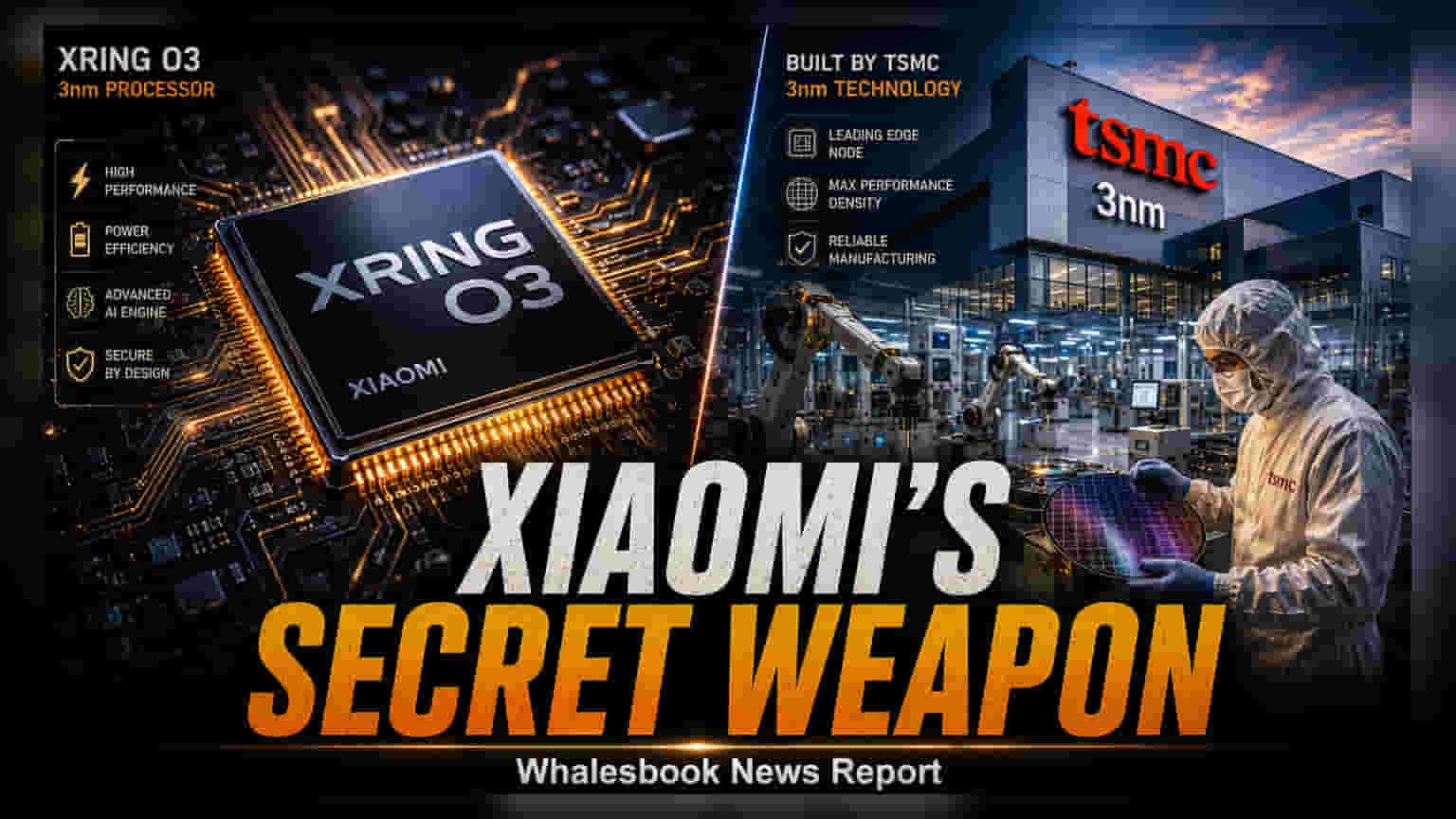
Xiaomi has unveiled its new Xring O3 smartphone processor, manufactured by TSMC using advanced 3nm technology. This move aims to increase control over its supply chain and reduce dependence on external chip suppliers like Qualcomm. The chip is expected to debut in upcoming flagship foldable devices, marking a significant step in the company’s efforts to improve its competitive position in the premium smartphone segment.
Xiaomi has officially introduced its latest proprietary processor, the Xring O3, marking a significant milestone in its ongoing effort to develop in-house silicon. This new processor is being manufactured by Taiwan Semiconductor Manufacturing Company (TSMC) using their advanced 3-nanometre (3nm) production process. The move is central to Xiaomi's strategy to gain tighter control over its product ecosystem and reduce reliance on third-party suppliers, such as Qualcomm and MediaTek.
Strategic Shift Toward Vertical Integration
For years, major smartphone manufacturers have relied on standard chipsets provided by external companies. By designing its own processors, Xiaomi is looking to mirror the strategies of industry leaders like Apple, Samsung Electronics, and Huawei. The goal is to better integrate the hardware with software, potentially allowing for unique features and optimizations that are difficult to achieve with off-the-shelf components. The Xring O3 is specifically targeted for use in the company’s upcoming flagship foldable smartphones, where performance and power efficiency are critical differentiators.
Financial and Operational Risks
While this initiative aims to strengthen Xiaomi's competitive advantage, it comes with considerable challenges. Designing and developing advanced 3nm chips requires massive, sustained spending on research and development. This heavy investment can weigh on the company’s profit margins, particularly in the short to medium term.
Additionally, there is a clear execution risk. Even though Xiaomi is designing the chip, it remains dependent on external foundries like TSMC for manufacturing. If there are disruptions in the semiconductor supply chain or capacity constraints at TSMC, Xiaomi could face production delays for its flagship models. Furthermore, the company must ensure that its proprietary chips can match or exceed the performance of established rivals, as any lag in consumer experience could hurt brand reputation in the highly competitive premium smartphone market.
Historical Context
This is not Xiaomi's first foray into chip design. The company previously introduced the Xring O1 processor in May 2025. While the company has reported cumulative shipments of over one million units for devices featuring the O1 chip, this figure spans a range of products, including tablets, watches, and smartphones. Data suggests that smartphone-specific adoption of the earlier O1 chip has been limited, highlighting that the transition to in-house silicon is a gradual process rather than an immediate replacement of established suppliers.
Investors may monitor how quickly Xiaomi integrates the new Xring O3 into its mainstream device lineup and whether this shift leads to a noticeable improvement in product margins over time. The key monitorable will be the actual market performance of the upcoming foldable phones and whether the company can successfully scale this technology without significant cost overruns.