

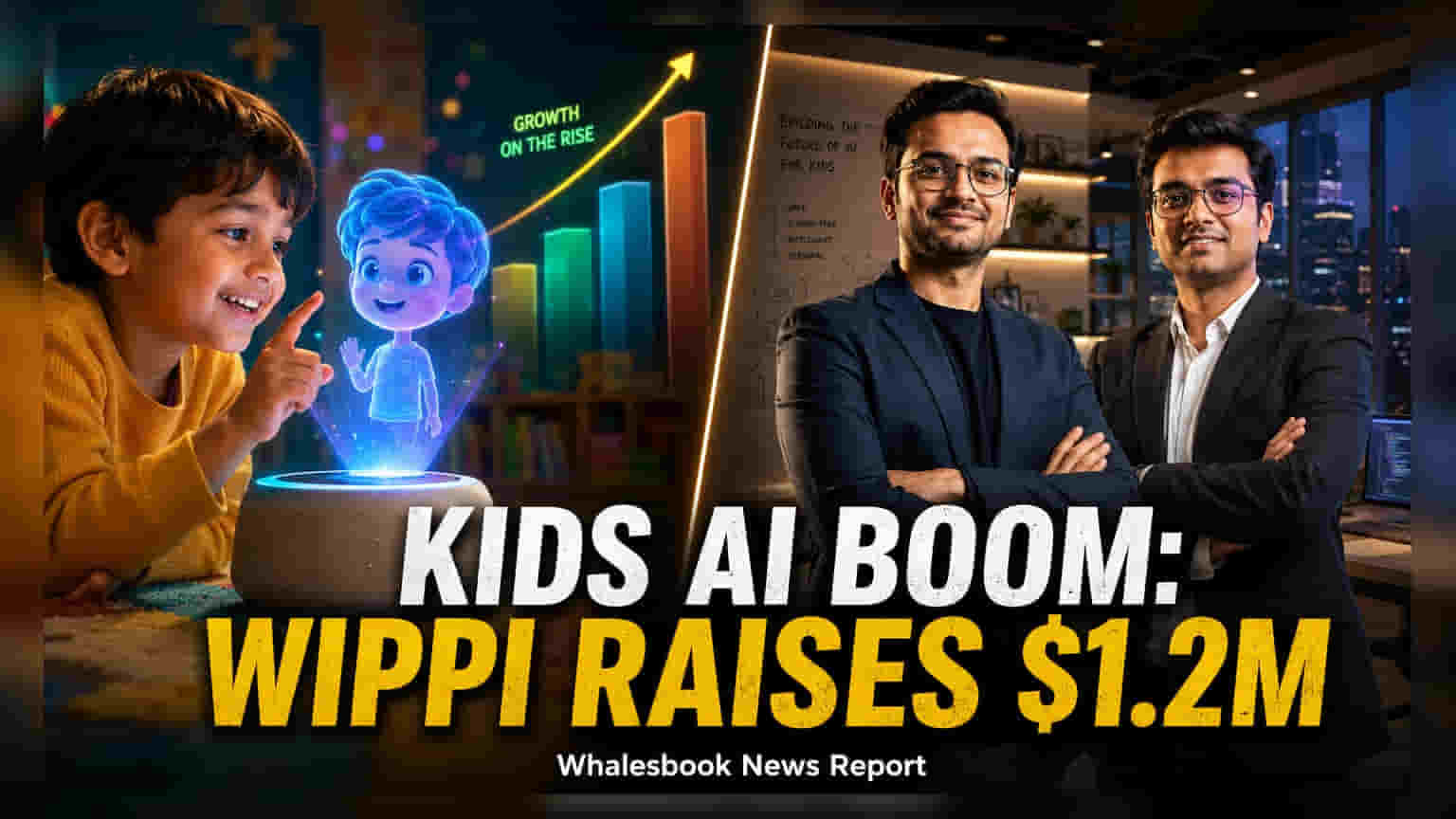
Bengaluru-based Wippi has secured $1.2 million in seed funding led by 12 Flags to scale its screen-free, AI-powered interactive products for children. As a private entity, the company plans to use these funds to expand its engineering team and increase domestic manufacturing capacity. Investors keep a close watch on such startups to gauge trends in the growing kid-tech and education technology sector.
Wippi, an early-stage startup building interactive technology for children, has successfully raised $1.2 million in a seed funding round. The investment was led by 12 Flags, with additional participation from Warmup Ventures, Ventana Ventures, and Ruvento Ventures. This funding is a private capital deal and does not involve any public stock exchange listing or share trading.
Funding to Scale Domestic Manufacturing
The company plans to direct these new funds toward several key growth areas. A primary goal is to scale its manufacturing operations within India. By moving production closer to its customer base, the company aims to better manage its supply chain for its physical products, which include character cards and storybooks. Additionally, the startup intends to grow its engineering and AI teams to improve the voice-based technology that powers its interactive storytelling platform.
Targeting the Screen-Free Segment
Wippi, founded by Rishabh Singhi and Siddhartha Jain, addresses a specific niche in the children's market by providing screen-free entertainment and education. Their products are designed to allow children to interact with characters through voice-based AI, which the founders believe offers a creative alternative to excessive screen time. The company aims to reach over 15,000 families over the next twelve months by building out its portfolio of stories, languages, and character sets.
Risks and Market Context
For investors and observers tracking the startup ecosystem, it is important to understand the risks associated with this sector. As an early-stage business, Wippi faces the challenge of proving that its products can be adopted widely by families in a competitive market. Companies in the kids' technology space must navigate complex issues, including strict safety standards for data privacy and the need to ensure that AI-driven content is always appropriate for young children. Furthermore, as a private startup, there is no public financial data available, and success will depend entirely on the company’s ability to manage its cash flow while growing its user base and manufacturing scale. The effectiveness of its in-house AI technology will also be a major factor in its ability to retain customers against other educational and entertainment alternatives.