

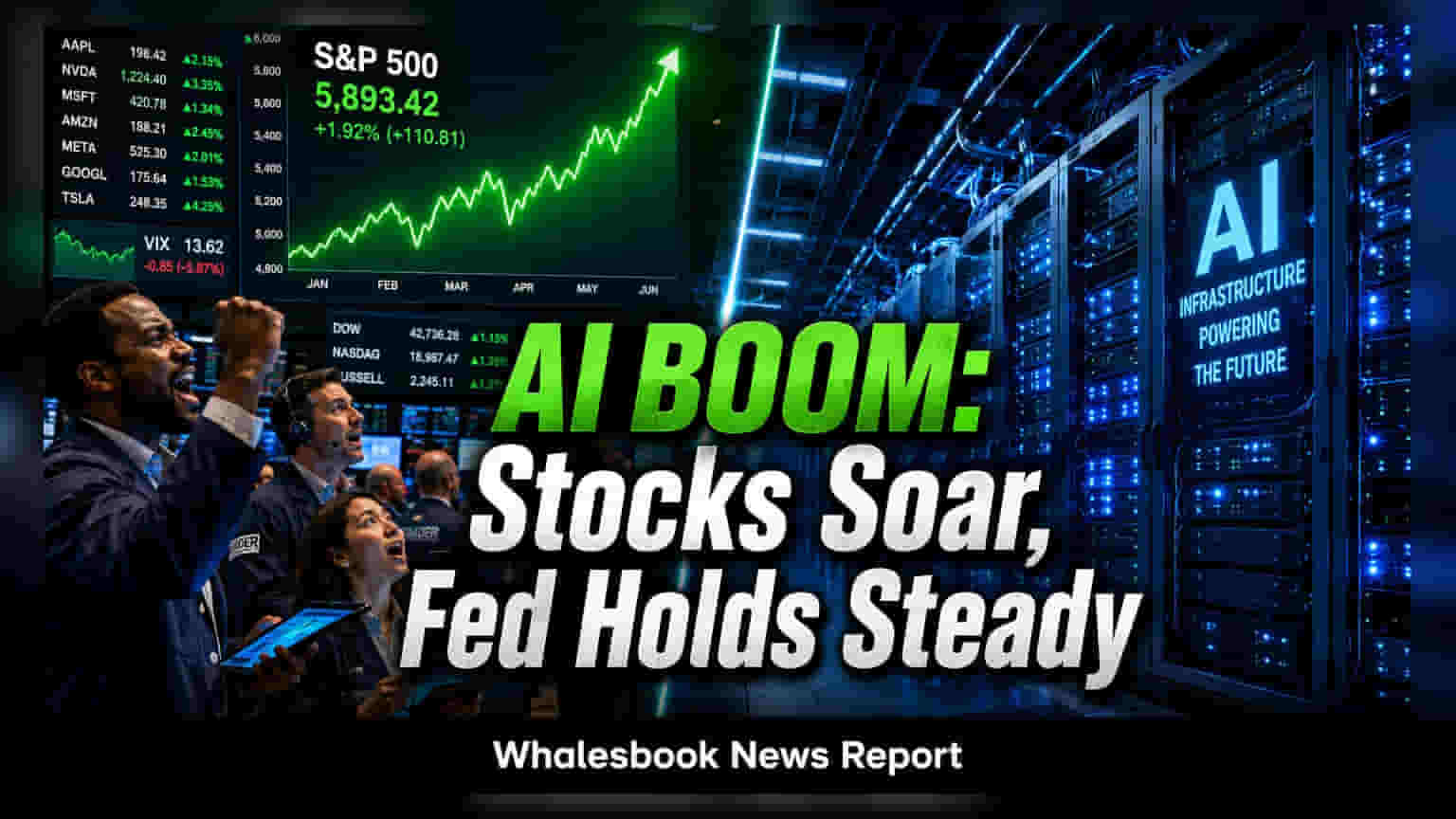
U.S. stock markets closed higher on August 12, 2026, after strong earnings from AI firms and mild inflation data lowered rate hike fears. The S&P 500 and Nasdaq rose, while the Dow saw a minor dip.
U.S. markets showed renewed optimism on Wednesday, August 12, 2026, as investors focused on strong corporate results from AI-related companies and cooling inflation data. The S&P 500 added 0.26% to reach 7,748.50, while the Nasdaq Composite gained 0.54% to finish at 26,588.49. The Dow Jones Industrial Average finished slightly lower, down 0.04% at 53,770.27.
Investor focus remained squarely on AI infrastructure companies. CoreWeave and Super Micro Computer both saw their share prices climb by roughly 19% following better-than-expected earnings reports. This trend suggests that despite wider economic concerns, demand for AI-related hardware and cloud services remains a significant driver for market sentiment, pushing tech indices higher.
Inflation data released for July showed a 3.4% year-on-year increase, matching market expectations. With underlying inflation appearing stable, investors have grown more confident that the U.S. Federal Reserve will keep interest rates unchanged at its meeting in September. The probability of the central bank holding rates steady is now estimated at around 62%, providing some relief to markets that had previously debated a potential rate hike.
While technology stocks led the gains, investors remain cautious. There are ongoing concerns regarding the sustainability of current valuations for many AI-related companies. Furthermore, geopolitical risks, such as potential energy supply disruptions, are being monitored as factors that could keep inflationary pressures higher than expected. The Cboe Volatility Index, which tracks market fear, dropped to 14.45, its lowest level since January, reflecting the recent easing of market anxieties.
The market will now turn its attention to upcoming economic reports, specifically the Producer Price Index, to gauge the true direction of inflation before the Fed's September decision. For global investors, these U.S. trends often act as a barometer for broader sentiment, influencing how capital flows across international markets, including India.