

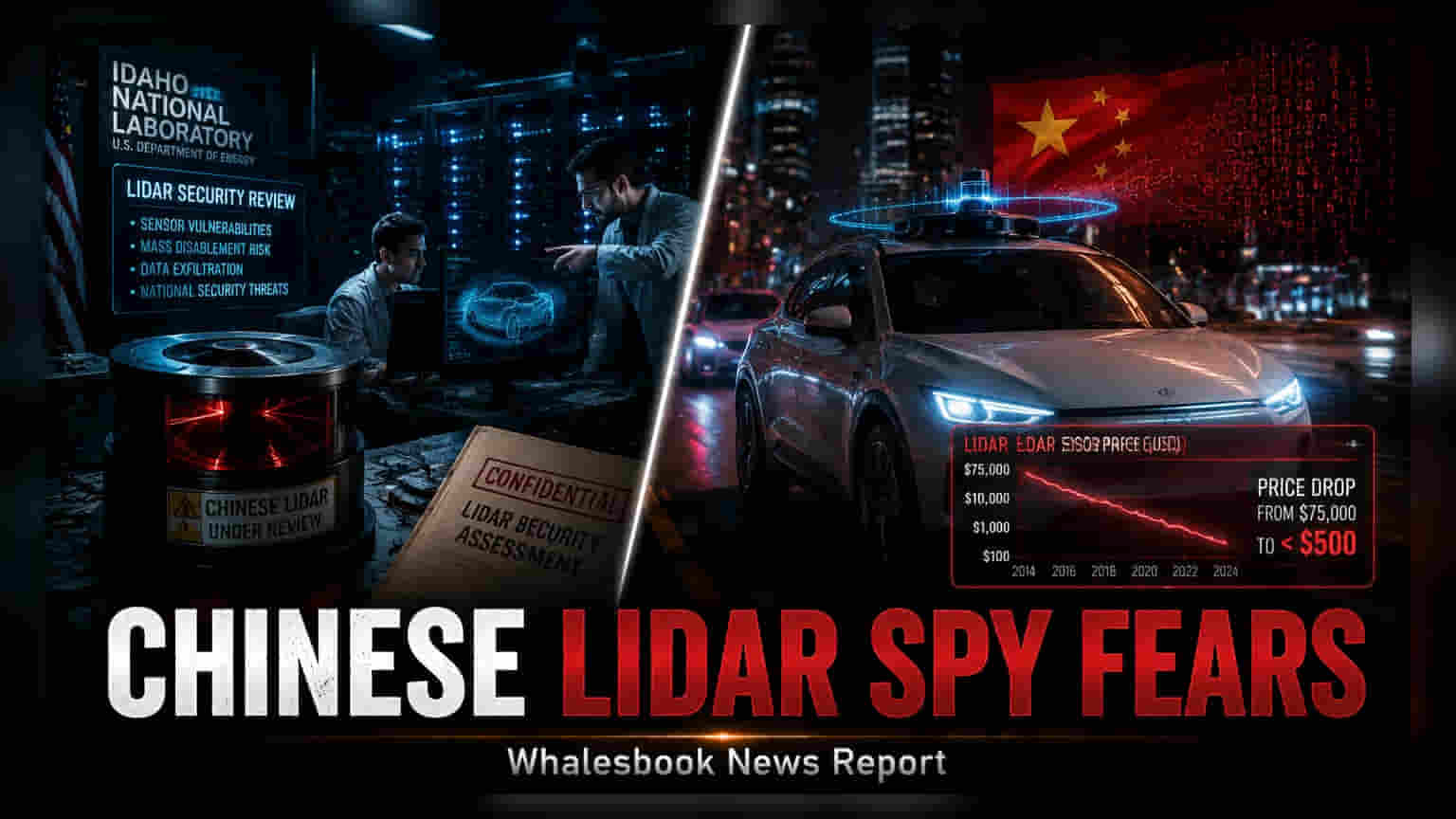
The Idaho National Laboratory is investigating Chinese-made lidar sensors to identify potential security vulnerabilities, affecting their future role in autonomous vehicles. This review highlights growing concerns over data privacy and national security, forcing the industry to weigh these risks against the cost-efficiency provided by major manufacturers like Hesai Group and RoboSense.
The Idaho National Laboratory has launched a technical review of Chinese-made lidar sensors to assess potential security threats. Lidar, a technology that uses lasers to map surroundings, is a critical component for autonomous vehicles, helping them navigate safely. This investigation is looking for vulnerabilities that could potentially allow for the mass disabling of sensors or the unauthorized transmission of sensitive data, which has raised alarms among U.S. lawmakers regarding potential national security risks.
The probe, reportedly funded by industry players within the electric and autonomous vehicle sector, comes at a time when reliance on Chinese technology is under intense scrutiny. Chinese manufacturers, most notably Hesai Group and RoboSense, have successfully scaled production, driving the cost of lidar units down from roughly $75,000 to just a few hundred dollars over the last decade. This sharp drop in price has made these sensors an attractive option for automakers globally, leading to their integration into various testing and production models.
However, the move toward tighter oversight is gaining momentum. Legislators, including Senator Tammy Baldwin and Congressman John Moolenaar, have expressed concerns that Chinese-made lidar could be used for espionage or sabotage. These lawmakers are advocating for measures to restrict the use of such technology in critical American infrastructure. The ongoing review is part of a broader shift in U.S. policy, which has already seen increased regulation targeting Chinese components in drones and data center equipment.
For investors and industry observers, the situation creates a complex challenge for automakers. Companies such as Rivian, General Motors, Ford, Lucid Motors, Nuro, and Uber are currently navigating an environment where cost-effective technology must be balanced against potential supply chain risks. If U.S. regulators introduce strict bans or limits on Chinese lidar, automakers may be forced to switch to alternative suppliers, potentially leading to higher costs or delays in development.
Cybersecurity experts have flagged that even if the current technology appears secure, the risk of hidden access points, often called backdoors, remains a primary concern for national security agencies. The industry will need to closely monitor the findings of this laboratory review and subsequent legislative developments, such as the proposed SAFE LiDAR Act. Any resulting policy changes could significantly alter the supply chain dynamics for the autonomous vehicle sector in the coming years.