

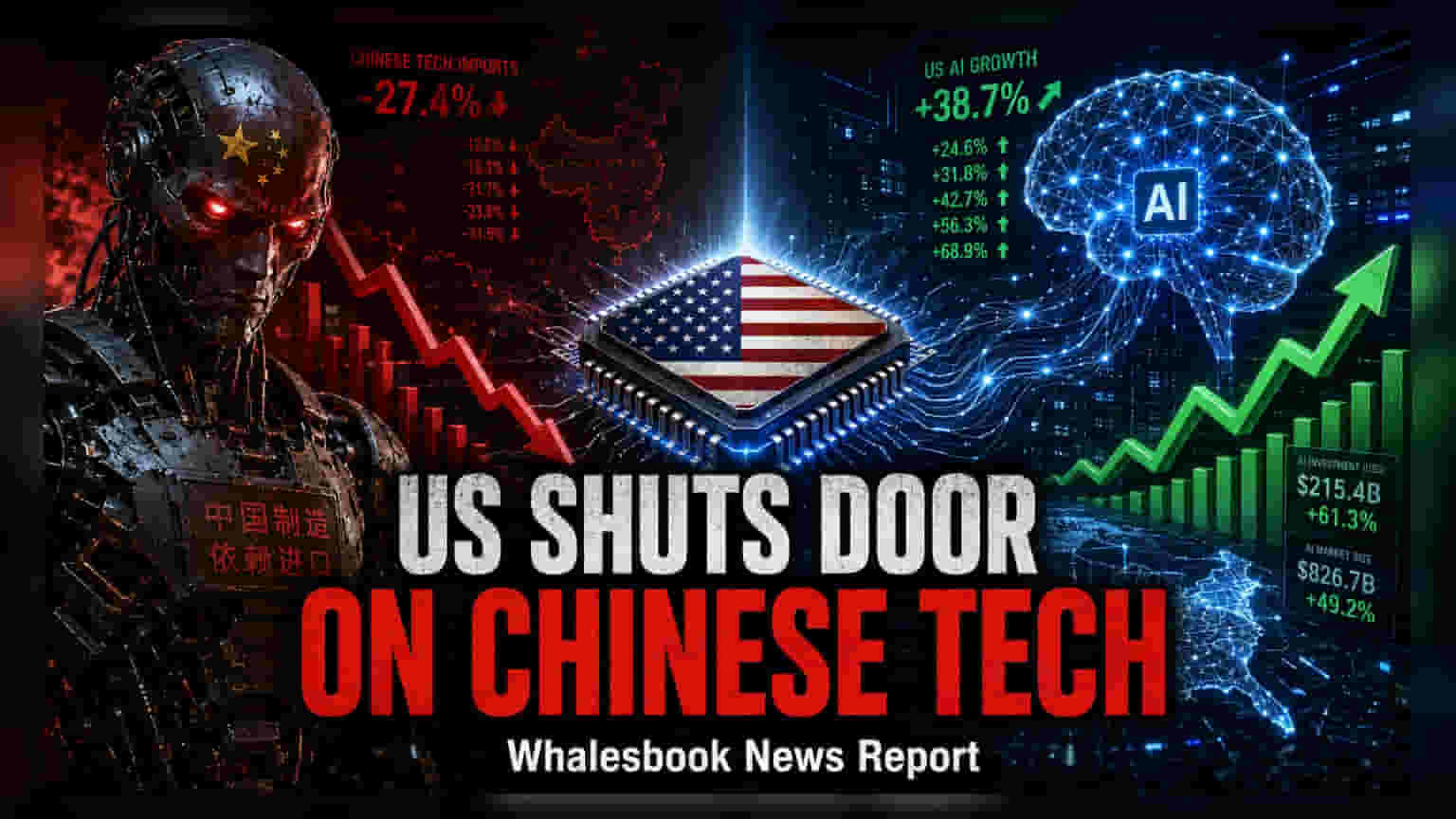
The US government has banned imports of new Chinese humanoid robots and power inverters to address national security concerns. The move aims to protect the American AI and data center infrastructure from potential cyber risks. This policy shift may affect global supply chains for technology hardware, particularly impacting companies with heavy exposure to the Chinese manufacturing ecosystem.
The US Federal Communications Commission (FCC) has announced a ban on the import of new Chinese humanoid and quadruped robots, as well as connected power inverters. This regulatory action is designed to reduce reliance on Chinese technology within the US artificial intelligence sector and critical power infrastructure, such as data centers and renewable energy grids. The government stated that these measures are necessary to mitigate potential cybersecurity risks and prevent unauthorized data access or disruption to national systems.
Strategic Shift in Technology Supply Chains
The policy reflects a broader effort by US officials to localize the supply chain for advanced technologies. As data centers expand rapidly to support AI development, the demand for reliable power inverters has surged. By targeting these components, the US is attempting to prevent potential vulnerabilities that could arise from using hardware manufactured in China, similar to earlier restrictions placed on telecommunications and drone equipment. The move also follows warnings from Treasury officials regarding intellectual property protection and the strategic risks of dependency on foreign nations for critical hardware components.
Impact on Global Tech Players
This regulatory decision impacts several companies operating within the global robotics and power electronics space. Unitree, a significant developer of humanoid robots that has been flagged by the Pentagon over military-related concerns, faces direct pressure from these restrictions. In the power inverter market, dominant players like Sungrow Power Supply and Huawei may see their access to the US market restricted. These companies have historically held substantial market share, and the new rules could force US firms to seek alternative suppliers, potentially increasing project costs or causing temporary execution delays.
Market and Regulatory Risks
While the ban primarily targets future imports and unreleased models, the FCC retains the power to revoke existing sales authorizations. This creates uncertainty for firms currently utilizing Chinese-made inverters or robotic systems. Furthermore, the Chinese government has criticized the move and indicated the possibility of reciprocal actions, which could add further friction to international trade relations. Investors should monitor how quickly US-based or non-Chinese companies can scale production to fill the gap left by these suppliers. The final impact on the industry will depend on the speed of supply chain diversification and whether these restrictions expand to other types of electronic equipment or related software components.