

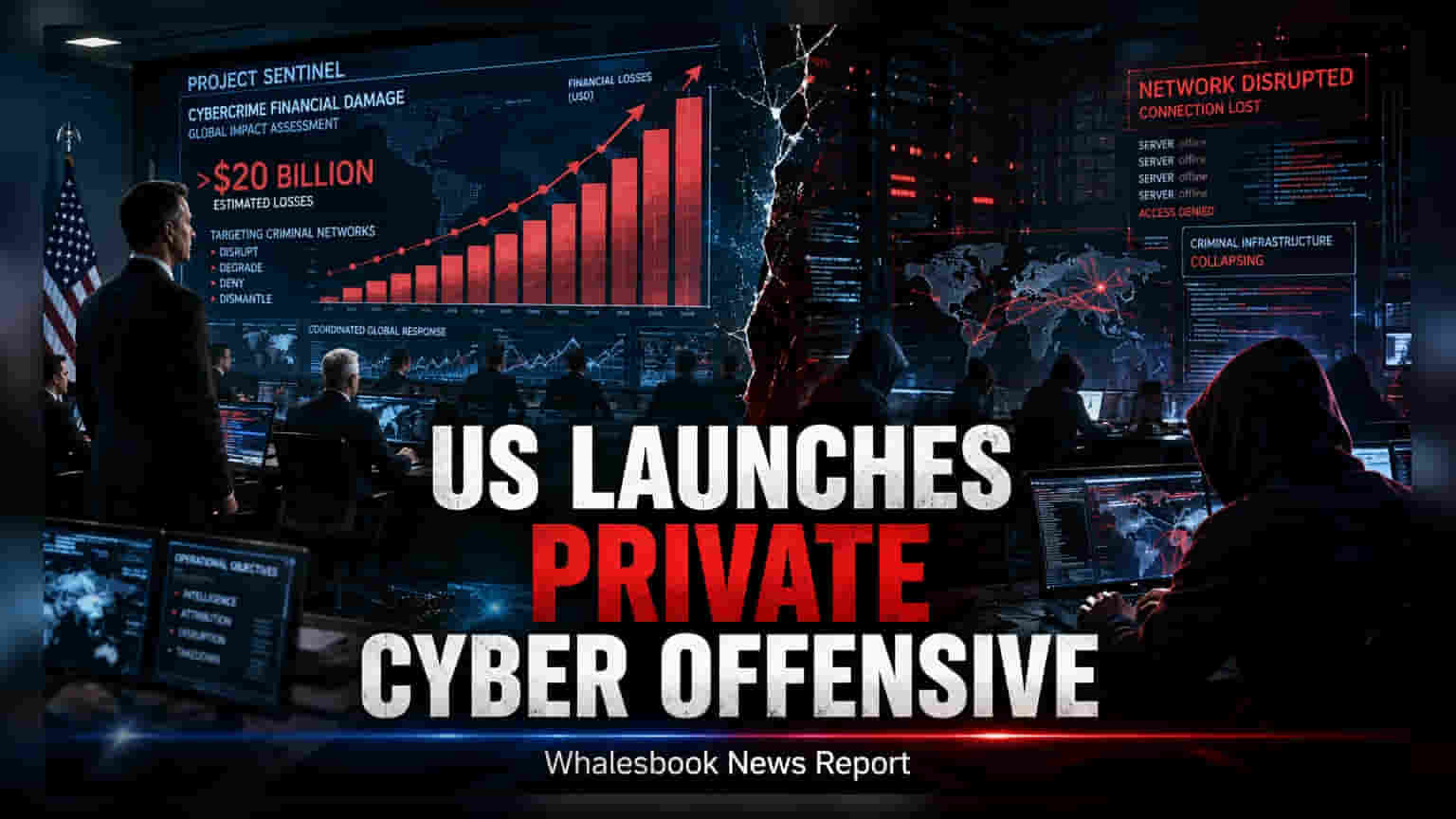
President Donald Trump has signed a memorandum allowing vetted private U.S. companies to conduct government-supervised offensive cyber operations against criminal groups. This policy change creates new revenue potential for the cybersecurity sector but introduces complex legal, operational, and security risks for participating firms.
The United States government has launched a new initiative that changes the business landscape for the cybersecurity industry. On August 12, 2026, President Donald Trump signed a memorandum authorizing private companies to conduct offensive cyber operations against transnational criminal organizations. This move is designed to combat rising cybercrime, which resulted in estimated losses exceeding $20 billion for Americans in 2025.
New Business Model for Cybersecurity Firms
Traditionally, cybersecurity companies operate on a defensive model, focusing on protecting client infrastructure from attacks. This new directive creates a sanctioned, offensive role. Under the new policy, vetted private firms can act under government supervision to disrupt hacker servers, neutralize malware infrastructure, and counter financial fraud networks. This shift suggests a potential move toward a public-private partnership model in cyberwarfare, which may open new contract opportunities for specialized cybersecurity service providers and defense contractors.
However, this is not an unrestricted market. The government has set strict requirements, including mandatory vetting and a minimum bond of $1 million in escrow. This bond is subject to forfeiture if a company violates federal guidelines. The National Coordination Center will oversee these operations to ensure they remain within legal boundaries, specifically prohibiting actions that target foreign governments, result in physical injury or death, or cross international 'use of force' thresholds.
Significant Operational and Legal Risks
While the prospect of new revenue may seem attractive, the policy introduces substantial risks that investors should consider. Participating companies could face asymmetric retaliation. By transitioning from a neutral defender to an active participant in offensive operations, private firms may make themselves targets for state-sponsored or criminal hacking groups. Unlike traditional enterprise software, these offensive tools carry the risk of collateral damage, which could lead to significant legal liability or reputational damage for the service provider.
Another layer of risk involves the lack of clear civil liability shields. Companies engaging in these operations may face complex litigation if their actions lead to unintended consequences or if their proprietary offensive tools are exposed during legal discovery processes. Additionally, the diplomatic friction caused by private firms operating in foreign cyberspace could lead to international regulatory blowback, potentially complicating the global operations of the participating tech companies.
The Department of Justice and the Department of Homeland Security have a 60-day window to finalize the specific operating procedures and vetting criteria. Investors may watch how major cybersecurity firms, which have historically maintained neutrality, position themselves regarding this policy. The long-term impact on the sector will depend on whether the profitability of these government contracts can offset the legal, security, and reputational risks associated with active cyber warfare.