

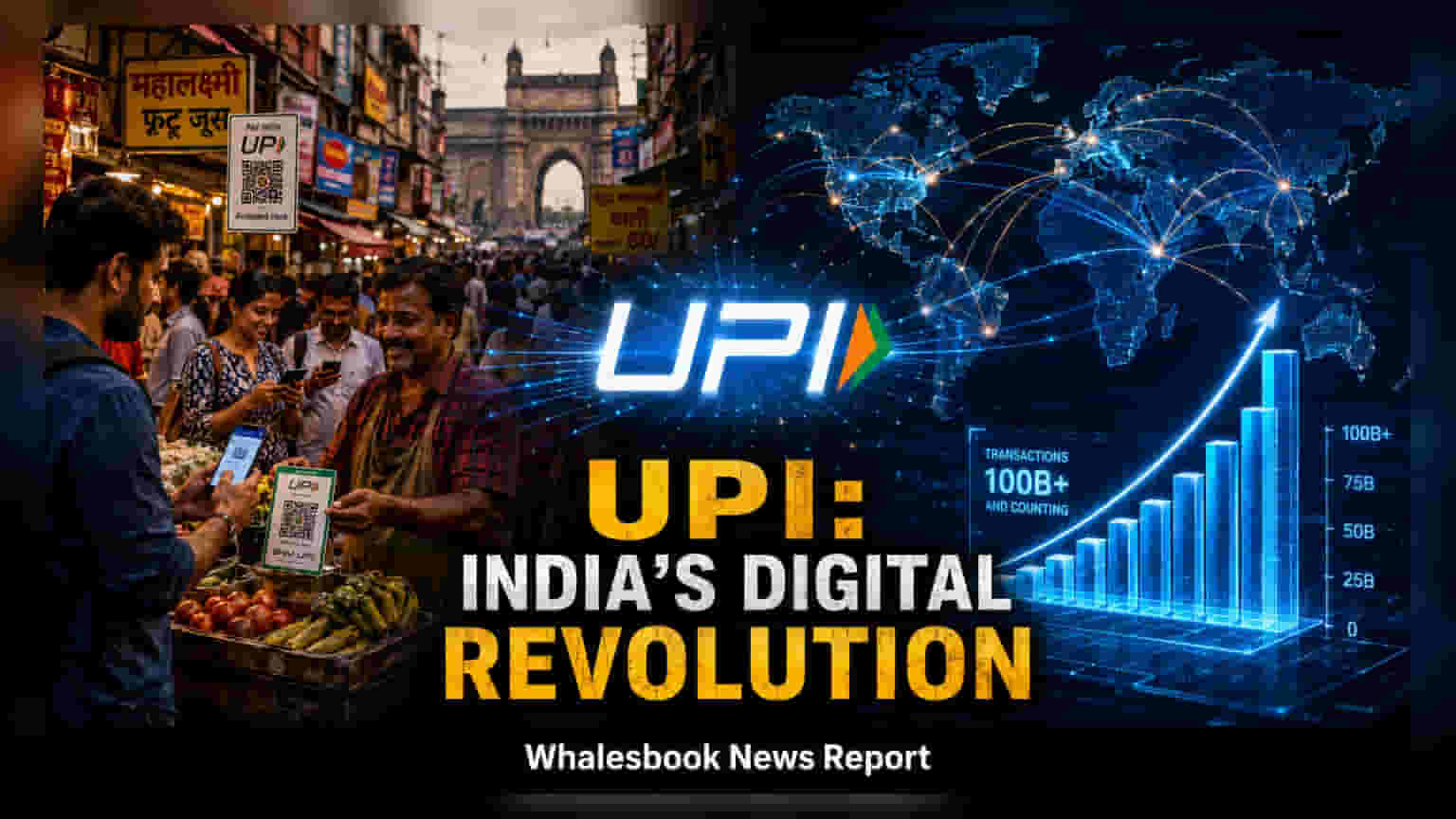
India’s Unified Payments Interface (UPI) completes a decade of operations, processing over 24,162 crore transactions in the last fiscal year. As the system matures, the government is transitioning away from a zero-fee model to ensure long-term sustainability for banks and payment providers.
Launched in 2016, the Unified Payments Interface (UPI) has completed ten years as the backbone of India's digital payments. In the fiscal year 2025-26 alone, the system processed over 24,162 crore transactions, moving approximately ₹314 lakh crore. This growth has made UPI the primary method for non-cash payments in India, accounting for roughly 86% of the country's total digital payment volume.
As the platform enters its second decade, the regulatory environment is shifting toward a more sustainable financial model. Historically, UPI transactions for merchants, known as Person-to-Merchant (P2M) payments, carried no Merchant Discount Rate (MDR)—a fee typically paid by retailers for processing transactions. This zero-fee strategy was essential to encourage rapid adoption by small businesses and consumers during the initial years. However, with the system now deeply integrated into the economy, the government has amended the Payment and Settlement Systems Act to allow for potential charges on certain transactions.
This policy change is intended to improve the financial viability of banks and payment service providers, who have been handling massive volumes without direct transaction fees. While common peer-to-peer transfers and retail transactions are expected to remain free, investors are now tracking how the new fee structure will be applied to high-value merchant payments. The core challenge for regulators is to balance the status of UPI as a 'public good' with the economic necessity of recovering costs for maintaining such a complex and high-volume network.
Market concentration remains a significant point of debate. Current data indicates that a small number of private applications, primarily PhonePe and Google Pay, handle over 80% to 85% of total UPI transaction volumes. This high level of dependency on a few platforms creates systemic risk; any technical outage or policy shift involving these apps can impact a large portion of the nation's payment activity. The Reserve Bank of India and other regulators are expected to monitor this market share closely to ensure the resilience of the digital financial ecosystem.
Beyond domestic operations, UPI is actively expanding its international footprint, with integration now live in countries including Singapore, the UAE, and France. As the system moves from its initial growth phase into a mature, potentially fee-bearing framework, the most important monitorable for the financial sector will be the specific guidelines on when and how charges are introduced for high-value transactions. This will determine the future profitability of payment processing for the banking sector.