 Whalesbook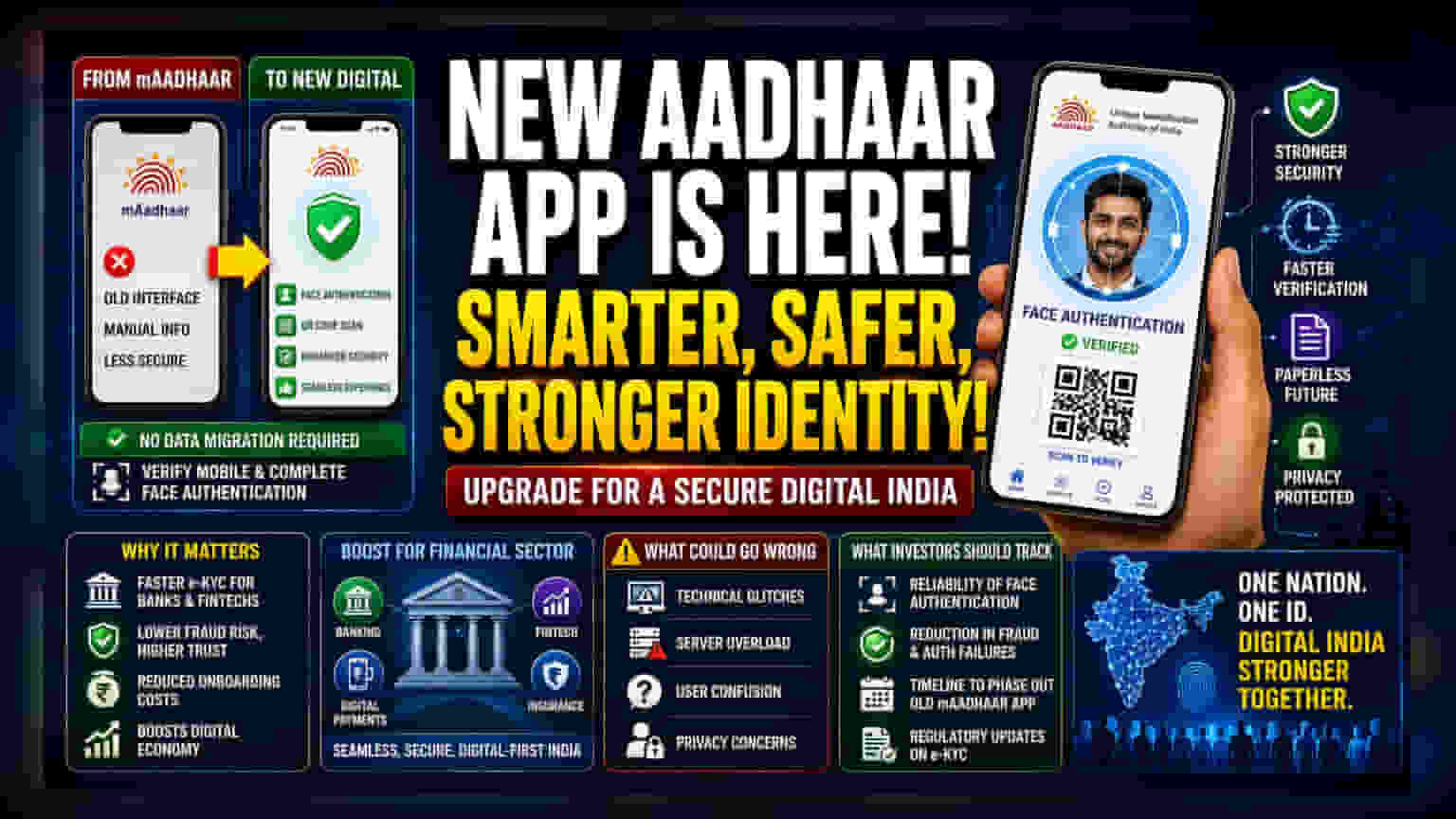


The Unique Identification Authority of India (UIDAI) is phasing out the mAadhaar app in favor of a new, updated digital identity application. This rollout emphasizes enhanced security features like face authentication and QR-code verification, moving away from physical document dependency. For the broader financial sector, this transition highlights a continued push toward faster, more secure digital KYC processes, which could improve operational efficiency for banks and fintech companies relying on Aadhaar-based verification.
What Happened
The Unique Identification Authority of India (UIDAI) has begun the process of replacing the long-standing mAadhaar application with a new digital identity platform. This update is designed to modernize how citizens manage and verify their digital identity. The new application moves beyond traditional methods by prioritizing face authentication and QR-code scanning, aiming to create a more secure and streamlined experience for users.
For existing users, the transition process is designed to be straightforward. The authority has confirmed that there is no need for manual data migration or profile transfer. Once users download the new application, the system will verify their Aadhaar-linked mobile number and guide them through a face authentication process to finalize the setup of their new profile.
Why This Matters For The Digital Economy
While this is a government technology update, it holds significance for the broader financial ecosystem. India’s banking and fintech sectors heavily rely on the Aadhaar infrastructure for e-KYC (Know Your Customer) processes. Enhancements to authentication methods, such as the introduction of robust face authentication, can help financial institutions reduce fraud risks and speed up customer onboarding.
By encouraging the use of this new digital app, the authority is effectively promoting a paperless environment. When identity verification becomes faster and more reliable, financial institutions can potentially lower their operational costs related to document verification and physical compliance checks. This supports the ongoing digital transformation of Indian financial services.
How Investors May Read This
Investors looking at sectors like banking, digital payments, and financial technology often track changes in national identity infrastructure. A more secure and efficient authentication tool can lead to higher trust in digital transactions. As identity verification becomes more foolproof, the risk of identity theft in financial applications may decrease, potentially aiding the growth of digital-first business models.
However, the success of this transition depends on the speed of public adoption. If the new application offers a seamless experience, it will likely accelerate the use of digital services across the country. Conversely, if users face technical friction, it might delay the adoption of newer digital verification methods.
What Could Go Wrong
Any major technology rollout involving millions of users faces operational risks. Potential challenges include technical glitches during the initial rollout, server pressure, or user confusion during the migration period. Additionally, while face authentication is designed to be secure, privacy concerns are a frequent topic of debate in digital infrastructure projects. Ensuring data protection and maintaining user trust remains a critical priority for the authority.
What Investors Should Track Next
The key monitorables for this transition will be the stability of the new application and the speed at which the user base migrates. Investors interested in the fintech and banking space may watch for:
- Feedback on the reliability of the face authentication feature, as this technology is becoming the standard for secure login and verification.
- Reports on the reduction of digital fraud or authentication failures in the financial sector, which would indicate that the new system is performing as intended.
- Government updates regarding the timeline for the complete shutdown of the old mAadhaar app, which will signal the completion of the transition.
- Any changes in regulatory guidelines for e-KYC that might stem from these improved technological capabilities, as this could impact compliance workflows for financial institutions.