 Whalesbook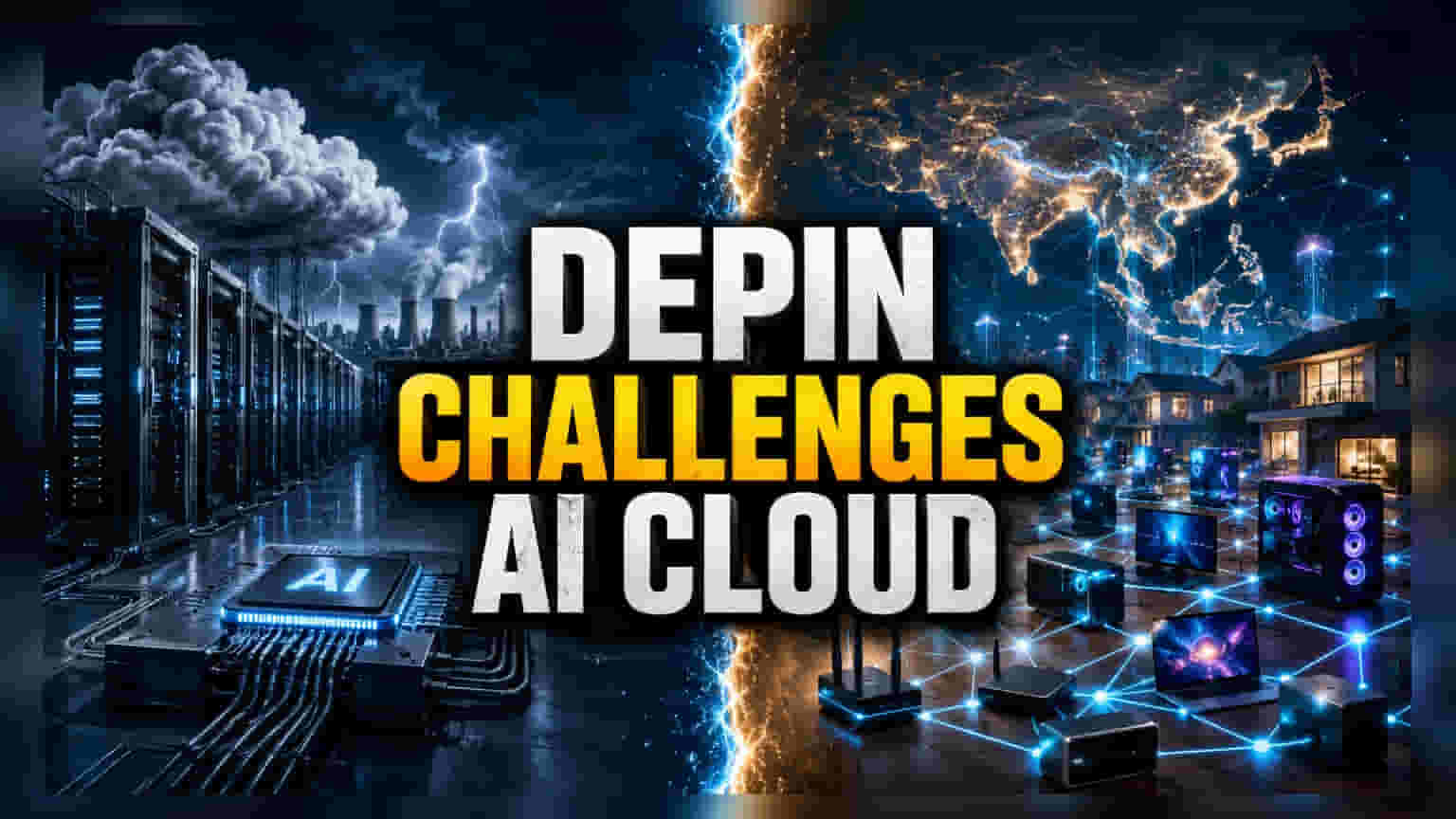


The Shift to Decentralized Compute
The astronomical energy demands of training large language models have forced a structural reassessment of hardware allocation. Rather than relying solely on high-cap hyperscalers, the industry is seeing a migration toward decentralized physical infrastructure networks (DePIN). This evolution is predicated on the arbitrage of idle residential bandwidth and processing power, which were previously discarded as economic dead weight. By aggregating these fragmented resources, companies are effectively bypassing the high-margin toll booths established by traditional data center operators.
Competitive Benchmarking and Market Dynamics
While established competitors like Aethir and Akash Network focus on consolidating enterprise-grade hardware, the entry of citizen-centric networks adds significant supply-side elasticity to the market. The claimed 75% cost reduction for clients highlights a major inefficiency in current cloud pricing models. However, institutional clients often prioritize uptime, security, and latency guarantees that retail-grade hardware historically struggles to provide. The success of this model likely hinges on whether the network can maintain enough consistent, high-uptime nodes to satisfy Tier-1 AI developers who operate under strict Service Level Agreements.
The Forensic Bear Case
The decentralization of mission-critical AI workloads introduces significant operational fragility. Unlike centralized environments where hardware redundancy and physical security are strictly managed, home-based nodes are susceptible to intermittent connectivity, ISP throttling, and security vulnerabilities that could compromise proprietary data. From a regulatory perspective, distributing AI processing across millions of residential devices in various jurisdictions creates a compliance nightmare regarding data sovereignty and GDPR-style privacy regulations. Furthermore, the reliance on a retail base assumes a steady supply of hardware; if the revenue-sharing model fails to outperform electricity costs or hardware depreciation, the network risks a supply-side collapse. Investors should also note that the aggressive pursuit of 5% of the Asian AI market sets the firm on a collision course with entrenched regional cloud providers who have deep political and structural moats.
Strategic Outlook
For the DePIN sector to transition from a novelty to a utility, it must demonstrate consistent performance metrics during high-demand compute cycles. If Titan Network maintains its momentum, the next fiscal period will likely reveal whether they can retain enterprise clients once pilot programs conclude. The broader market is watching closely to see if decentralized protocols can truly scale without succumbing to the reliability issues that have hampered earlier peer-to-peer computing projects.