

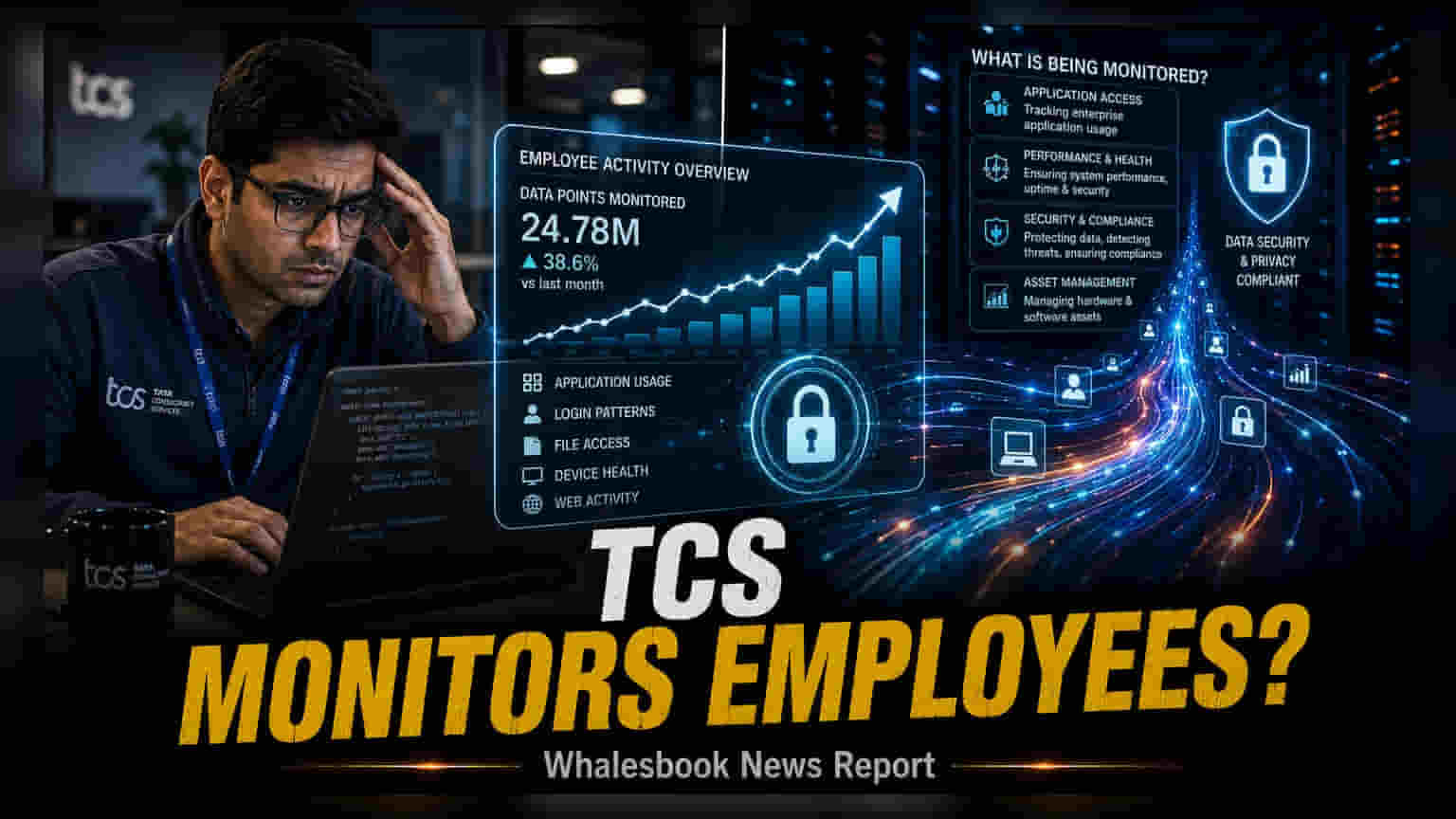
Reports have circulated regarding the deployment of a user experience monitoring tool on TCS laptops, leading to internal discussions about workplace privacy. While such tools are often used for security and performance, the lack of explicit communication has prompted questions. Investors are tracking how large IT firms manage the balance between employee privacy, data security, and workforce trust.
Recent reports regarding the implementation of a new digital monitoring tool on company-issued laptops have led to discussions within Tata Consultancy Services (TCS). The software is designed to provide visibility into application access and usage, which IT firms commonly use for infrastructure management and cybersecurity purposes. However, the lack of clear internal communication regarding this deployment has raised questions among some staff members about data privacy and the scope of monitoring.
In the IT services industry, companies often deploy monitoring software to assess user experience, ensure application performance, and maintain security across distributed workforces. These tools help IT teams identify technical bottlenecks and manage hardware assets effectively. As large technology providers, firms like TCS prioritize rigorous data security protocols to protect sensitive client information and comply with global privacy regulations. Expanding partnerships with cybersecurity providers, such as the company’s work with Zscaler, often involves deploying advanced tools for workplace observability and analytics.
For investors, workplace management policies and employee trust are critical to the operational stability of large-scale IT service providers. Any shift in internal monitoring practices is often scrutinized for potential impacts on employee engagement, retention, and corporate culture. While these tools are standard for operational oversight, clear communication remains a key factor in ensuring workforce alignment and avoiding internal speculation.
From a financial perspective, TCS continues to focus on maintaining efficiency in a competitive environment. The company reported a 25.3% operating margin in FY26, its highest in four years, supported by significant deal wins. Looking ahead, investors typically monitor how the company balances its operational goals—such as managing margins in the face of wage inflation—with the need to maintain a productive and motivated workforce.
Operational risks in the IT sector often include the necessity of managing complex, multi-geography workforces securely while navigating client requirements. The primary monitorable for shareholders is the company's ability to execute its business strategy without disruptions to productivity or workforce morale. Future updates from the company regarding its workplace technology or internal policy changes may provide further clarity on how it manages these operational aspects.