

Tata Consultancy Services and HCLTech have formally clarified that their internal systems remain secure following recent cyber security claims. Both companies investigated the reports and found that the alleged data was limited, basic, and dated back several years. This update highlights the growing focus on identity security in the IT services sector amid rising cyber threats.
In early August 2026, both Tata Consultancy Services (TCS) and HCLTech provided updates to the stock exchanges regarding claims of potential employee data exposure. Both IT majors confirmed there was no evidence of a breach in their internal systems, operational infrastructure, or client environments. These statements came after a threat actor reportedly claimed to have accessed employee data from specific cloud environments.
Following their internal investigations, both companies determined that the information being discussed was limited in scope, consisted of basic employee details, and appeared to be over four years old. Neither company found any impact on client engagements or sensitive operational data, which are critical for the business continuity and reputation of IT service providers.
Cybersecurity Risks in the IT Sector
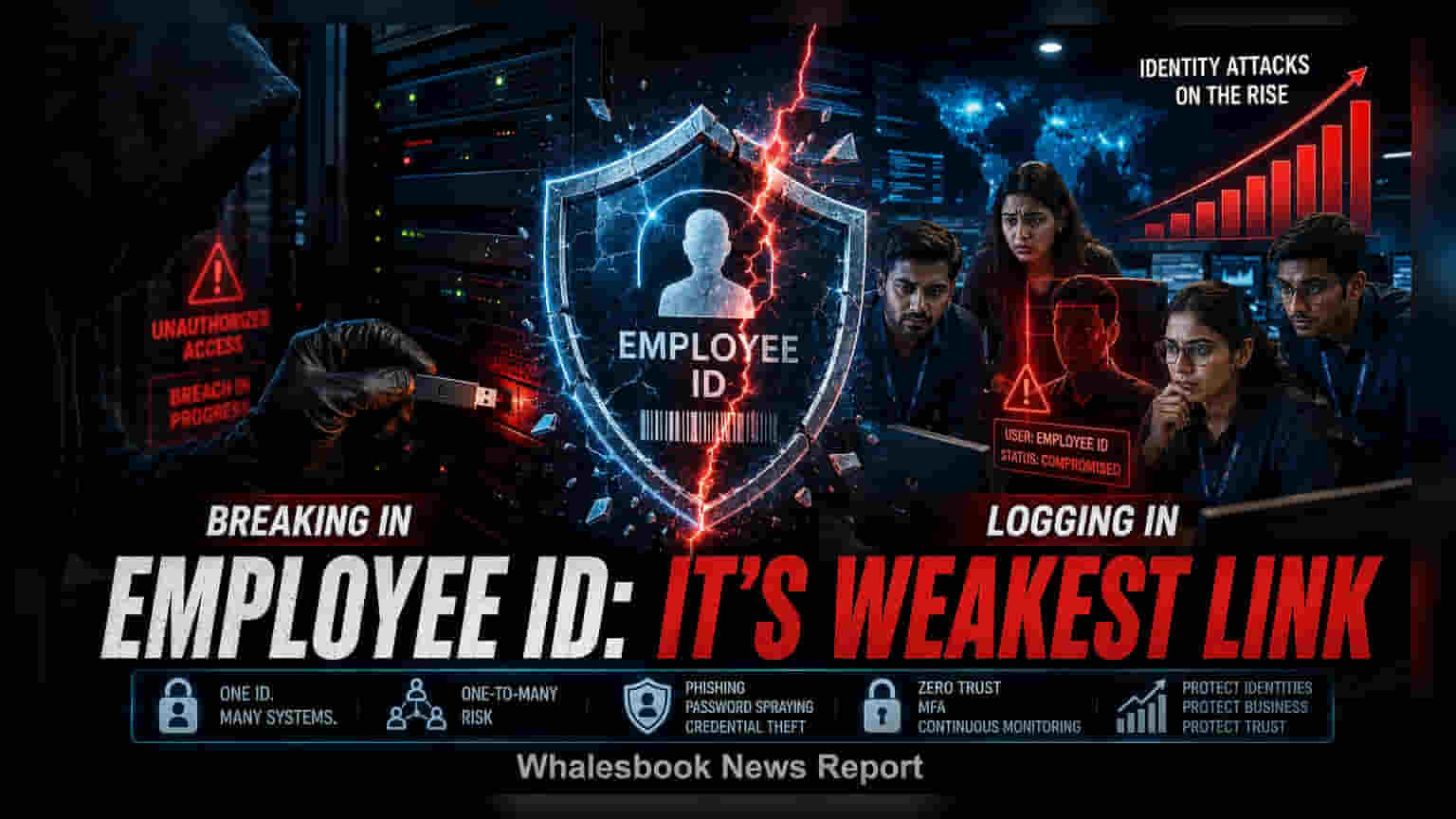
The alerts involving TCS and HCLTech arrive during a period of heightened concern regarding digital security in the IT industry. On August 7, 2026, the Indian Computer Emergency Response Team (CERT-In) issued a critical advisory warning of an increase in attacks targeting Microsoft 365 accounts. These attacks often use methods such as password spraying and phishing to exploit employee login credentials.
For large IT service firms, the risk is unique. Because employees often have access to various client environments and global tools, a single compromised login could theoretically grant an attacker entry to multiple client systems. This is often referred to as a "one-to-many" risk, where the vulnerability of one identity can cascade into a much larger problem. This has prompted cybersecurity experts to emphasize that an employee's digital identity is now the primary perimeter that companies must defend, often more important than traditional network defenses.
Why This Matters for Investors
For investors in the Indian IT sector, trust and reliability are the most important assets. IT firms are hired by global clients to manage sensitive data and critical infrastructure. Any confirmed breach of client systems could lead to severe contractual risks, reputational damage, and financial penalties.
Since both TCS and HCLTech have confirmed that their internal and client systems were not breached, the market reaction has remained stable. The incident serves as a reminder of the constant operational risks that large technology companies face. Investors often look for companies that invest heavily in "Defense in Depth" strategies, which include advanced tools like phishing-resistant multi-factor authentication, Zero Trust Network Access, and continuous monitoring of device and user behavior.
Moving forward, the primary monitorable for investors will be how these companies continue to strengthen their cybersecurity frameworks to mitigate identity-based threats. Markets will likely track any further security upgrades, management commentary on digital resilience, and how the broader sector adapts to these sophisticated, identity-focused attack methods.