

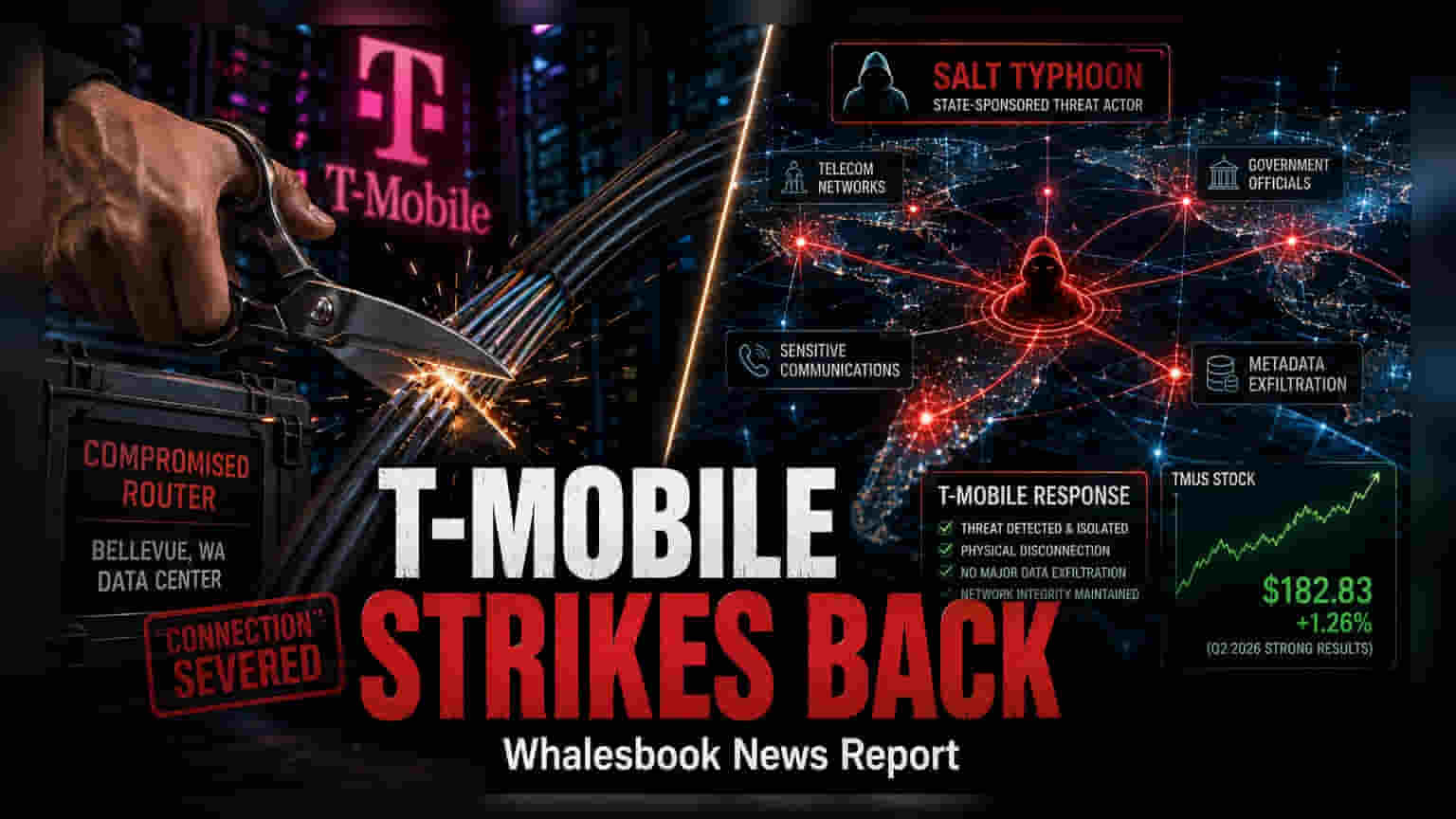
In 2024, T-Mobile contained a cyber intrusion by the 'Salt Typhoon' group by physically isolating a compromised system. This incident highlights the ongoing security challenges and infrastructure costs faced by large telecommunications providers.
Details regarding a 2024 cybersecurity incident involving T-Mobile have drawn attention to the complex security risks inherent in the telecommunications sector. The incident involved an attempt by a group known as 'Salt Typhoon'—a threat actor associated with state-sponsored cyber-espionage—to target various telecom networks. The objective of such groups is typically to gain access to sensitive communications and metadata belonging to government officials and high-profile targets.
The intrusion was identified by T-Mobile's cybersecurity team, which determined that a router had been compromised. In an unusual move to prevent a wider breach, the security team physically located the compromised system at a data center in Bellevue, Washington. By manually severing the connection, they were able to isolate the threat and prevent further unauthorized access. The company reported that this action successfully contained the incident and prevented significant exfiltration of customer data or core network disruption.
From an investor's perspective, this event underscores the operational realities of the telecom industry. Cybersecurity has become a critical, high-cost operational necessity rather than a secondary concern. For major players like T-Mobile, keeping network integrity intact is essential to maintaining customer trust and avoiding the regulatory scrutiny that follows data breaches. This is particularly relevant given the industry's history of high-profile security incidents, which have historically caused significant reputational and financial strain.
Financial and Operational Context
For investors, the long-term impact of such security threats is often seen in the operational budget. Protecting networks against state-sponsored actors requires constant, high-level investment in monitoring and security infrastructure. T-Mobile continues to navigate a complex environment, having recently reported strong service revenue growth and raised free cash flow guidance in its Q2 2026 financial results. However, the company is also managing costs associated with the integration of the UScellular acquisition and the transition to premium wireless service plans.
While the company’s stock, trading around the $182–$183 range, is driven primarily by subscriber growth and financial performance, security remains a perpetual risk factor. Analysts often monitor how telecommunications companies balance aggressive infrastructure expansion—such as network restructuring—with the need for robust, unbreachable defense systems. Any lapse in this balance can lead to regulatory penalties and a loss of market confidence.
The primary monitoring point for investors remains the company’s ability to manage these ongoing security expenses without affecting profit margins. As the telecommunications sector remains a top target for espionage, the capacity to quickly identify and mitigate threats, as seen in the 2024 incident, is a key metric for operational stability.