

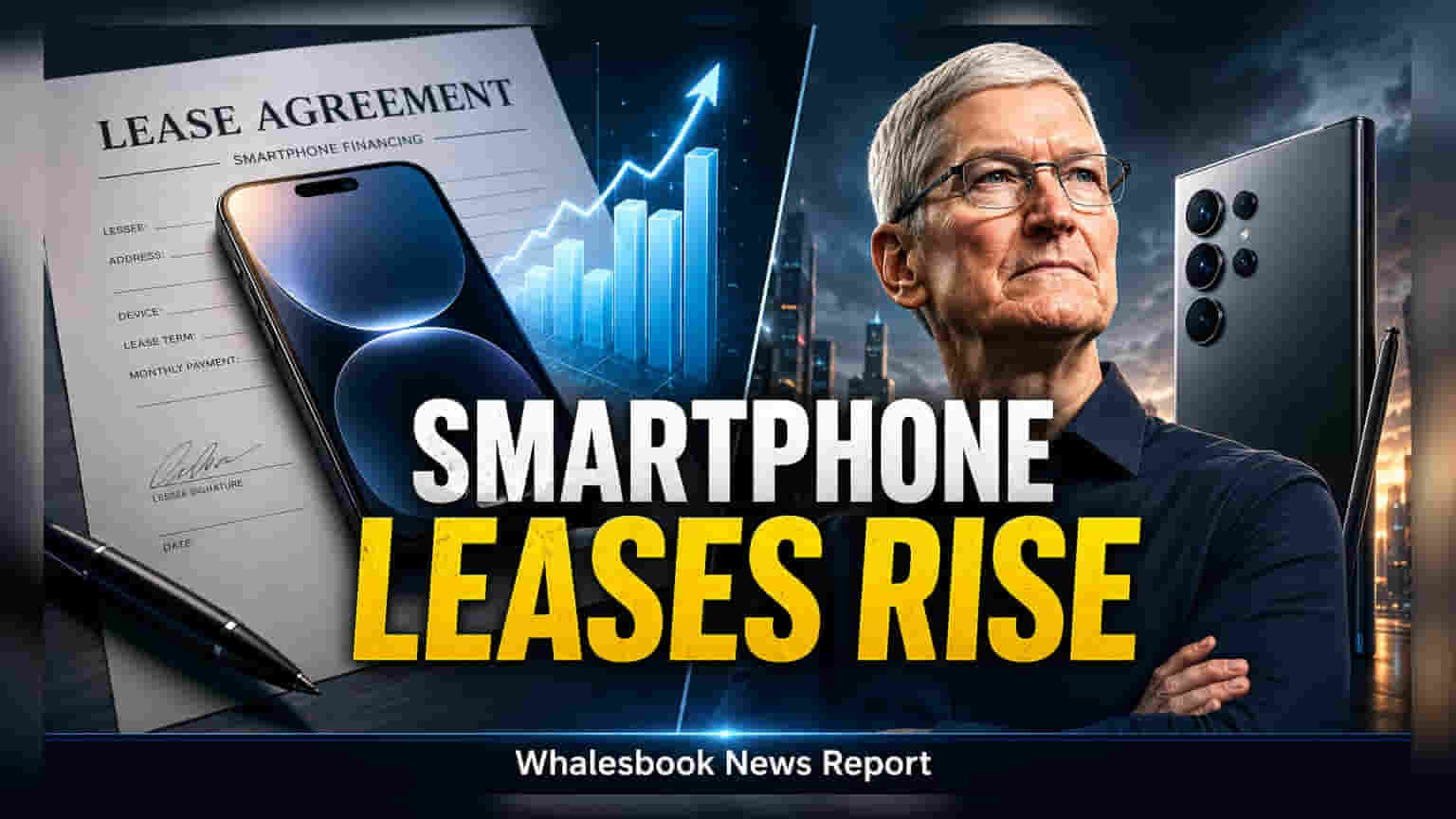
As consumers hold onto smartphones for longer periods, major tech companies are increasingly offering leasing and subscription plans. These models aim to maintain recurring revenue and customer loyalty by encouraging more frequent upgrades through predictable monthly payments.
Smartphone manufacturers are moving away from traditional one-time retail sales as the global smartphone replacement cycle continues to lengthen. With consumers now keeping their devices for longer periods due to higher price points and smaller leaps in new hardware technology, industry leaders are adopting leasing and subscription-based ownership models to maintain demand.
Strategic Shift in Consumer Electronics
Companies like Apple and Samsung are actively expanding these financing options to keep users within their brand ecosystems. In India, for instance, Samsung has introduced the Galaxy Forever program, which combines financing with guaranteed buyback options. This structure allows customers to transition to newer models more frequently by lowering the immediate financial barrier of purchasing expensive, high-end smartphones.
From a financial perspective, these programs are designed to provide manufacturers with a more predictable and recurring revenue stream. By offering lower monthly costs, companies can protect their profit margins, which have faced pressure from rising component and manufacturing expenses. Furthermore, these leasing arrangements ensure that a steady supply of used devices returns to the company, which can then be refurbished and sold in the secondary market, creating an additional layer of revenue.
The Impact on Customer Retention
For investors, the success of this shift depends on whether these programs effectively increase customer lifetime value. By locking users into a cycle of regular upgrades, brands reduce the risk of customers switching to competitors. However, the model relies heavily on the strength of the secondary device market. If the resale value of these premium devices declines, it could create pressure on the buyback guarantees offered by the companies, potentially affecting their bottom line.
While leasing programs provide flexibility for frequent upgraders, they may not be as cost-effective for long-term owners. Financial analysts often point out that consumers who prefer to use a device for three years or more typically find outright purchase more economical. As a result, the market is expected to feature a mix of traditional buyers and subscription-based users, rather than a total shift in ownership habits.
Monitoring Future Trends
The long-term viability of this model will be determined by how well these companies manage their inventory of returned devices and the penetration rate of these programs in price-sensitive markets like India. Key monitorables for investors include the adoption rates of these subscription models in quarterly earnings reports, the impact on overall average selling prices, and the ability of companies to maintain healthy margins as they manage the logistics of used device refurbishment and resale.