

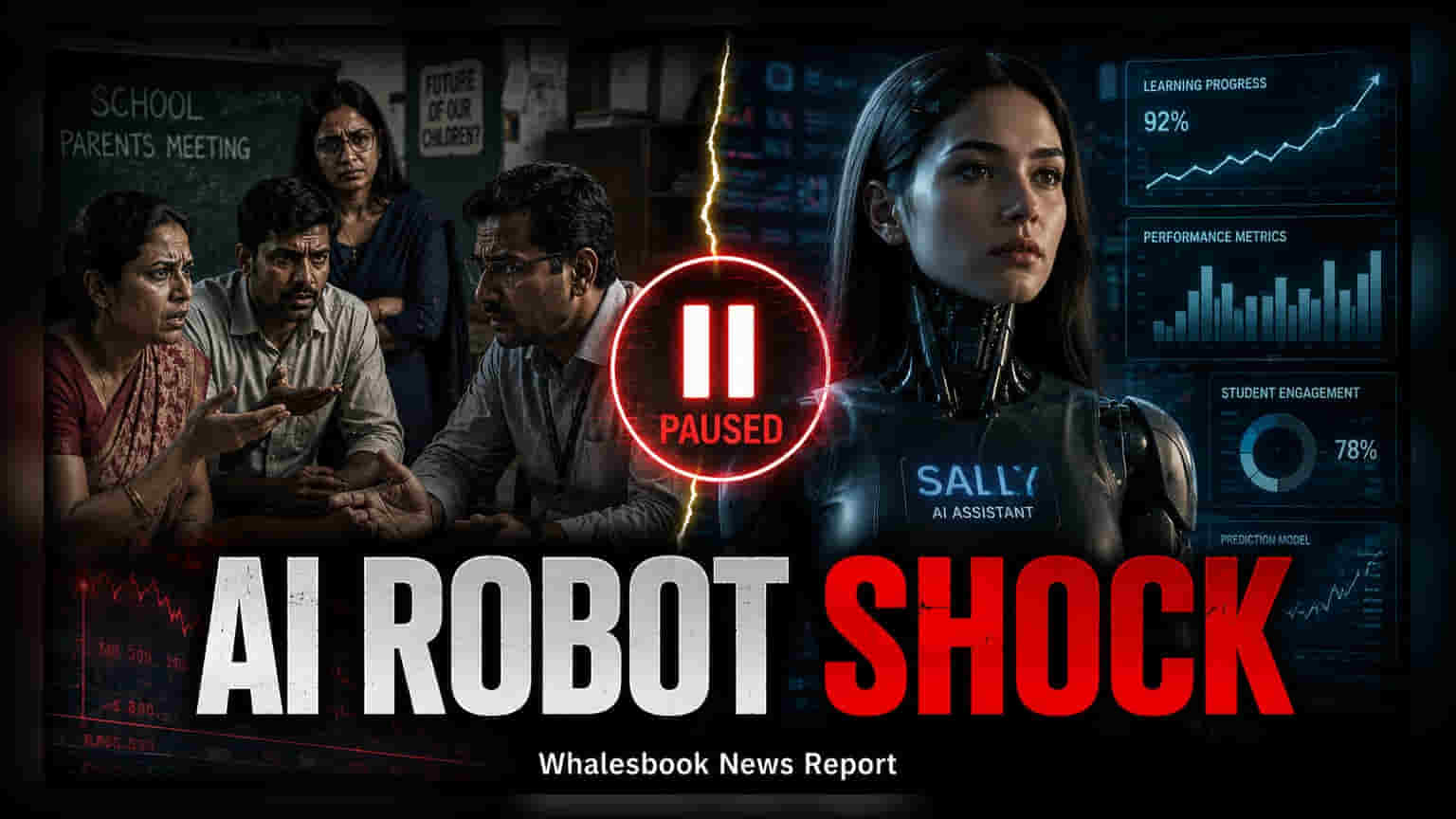
The Salamanca City Central School District has paused its pilot program for an AI humanoid robot named 'Sally' following public and teacher union opposition. The decision comes after concerns surfaced regarding student data privacy and the manufacturer's corporate ties to the adult industry.
The Salamanca City Central School District in New York has officially suspended its plans to introduce an AI-powered humanoid robot into its high school classrooms. The project, which involved a nearly $60,000 investment for a unit named 'Sally,' was intended to assist students with robotics and technology coursework by explaining complex technical concepts.
Concerns Over Corporate Affiliations and Ethics
The initiative faced immediate resistance from parents, community members, and teacher organizations. A primary point of contention was the robot's manufacturer, Realbotix. Critics highlighted that the company is linked to a sister firm that produces adult-oriented products. This connection raised significant ethical questions about the appropriateness of such technology in an educational environment. The New York State United Teachers union played a key role in the opposition, arguing that classrooms should prioritize human interaction over automated platforms.
Privacy and Educational Oversight
Beyond ethical concerns, the project drew scrutiny from state education authorities. Commissioner Betty Rosa raised formal questions regarding student data privacy and whether the robot's role as a tutoring platform met necessary security standards. While district leadership maintained that the robot was not intended to replace human teachers, the lack of clarity on data handling processes and potential security risks became a material factor in the suspension of the program.
The District's Stance and Manufacturer Response
Superintendent Mark Beehler initially defended the purchase, noting that the district already utilizes the WozEd curriculum, which the robot was pre-programmed to support. The intent was to provide students in isolated districts with exposure to advanced technology. In response to the backlash, Realbotix stated that its educational unit, Realbotix LLC, operates independently of the sister company, Intima LLC, which is involved in the adult industry. The manufacturer further assured that student data would remain under the district's control and that the hardware was designed with strict safeguards to prevent the discussion of inappropriate topics.
Investors and stakeholders tracking educational technology trends may note that this event highlights the growing pressure on schools to balance innovative tech adoption with stringent ethical and privacy requirements. The future of this specific pilot program remains uncertain as the district navigates the demands of state education officials and local stakeholders regarding the necessity and safety of humanoid tutoring systems.