

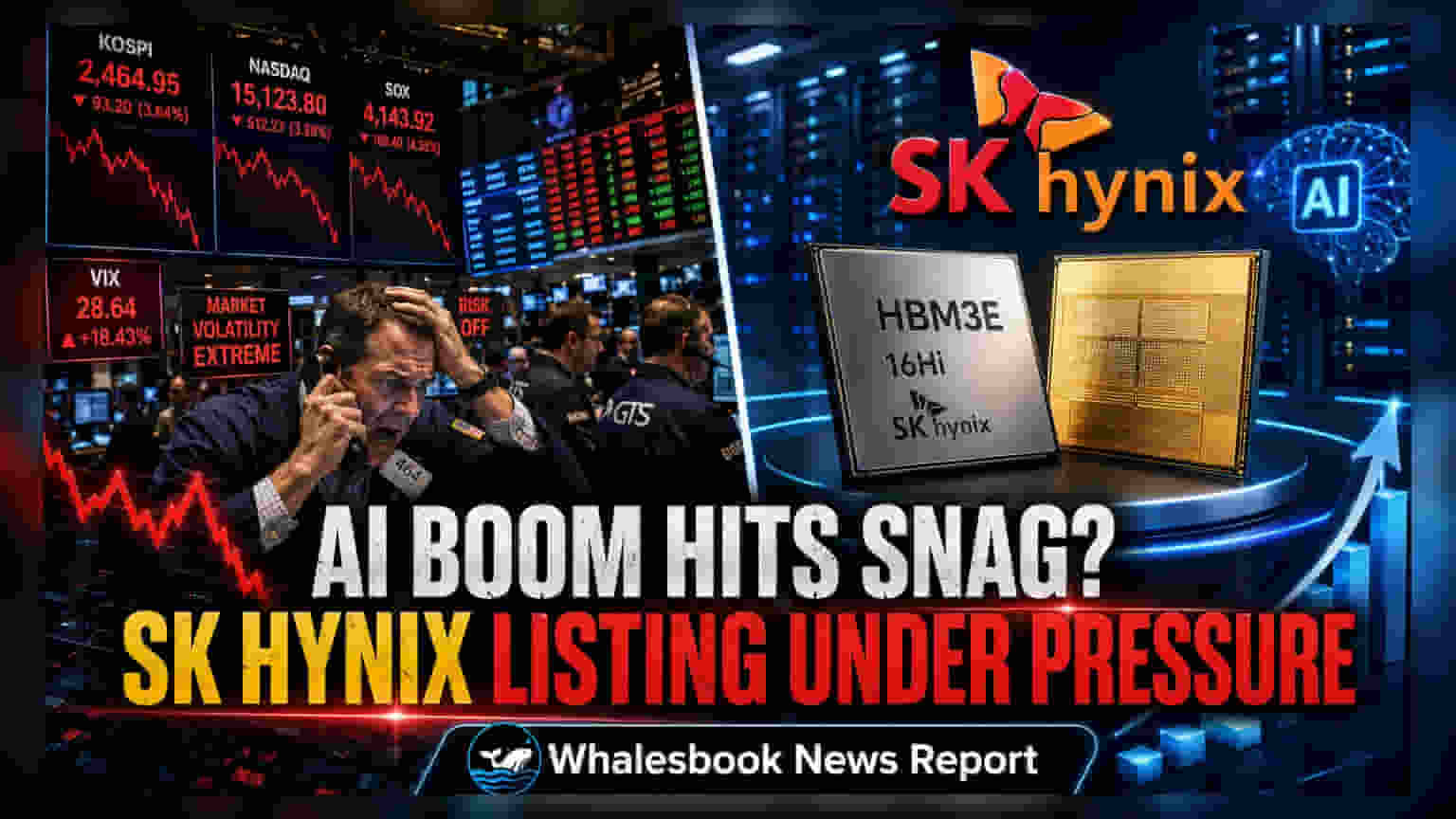
SK Hynix is preparing for a landmark $28 billion Nasdaq listing on July 10, even as its shares face a 17% drop this month. While institutional demand remains robust, investors are weighing the impact of sector-wide price corrections and potential semiconductor oversupply on the upcoming US share sale.
SK Hynix, the South Korean memory chip producer, is moving toward a major international milestone with its planned $28 billion Nasdaq listing scheduled for July 10. This event represents one of the largest overseas offerings by a foreign company on the US exchange. However, the company's share price has experienced sharp movements recently, creating a complex environment just days before the debut.
Recent Stock Performance and Volatility
The company’s shares saw an exceptional climb of nearly 800% over the past year, primarily driven by the surging demand for high-bandwidth memory (HBM) chips used in artificial intelligence systems. Despite this long-term growth, the stock has faced downward pressure recently, falling 17% this month. The share price is down more than 9% since the July 3 closing price, which serves as a key reference point for the US offering. On Tuesday, the stock dropped over 6%, a move that occurred alongside a trading halt on the Kospi index, highlighting the sensitivity of semiconductor stocks to current market conditions.
Factors Influencing Memory Chip Markets
Investors are now evaluating whether the rapid growth phase of the semiconductor cycle is shifting. While demand for AI-related hardware remains high, there is increased caution regarding potential future oversupply as manufacturers globally expand production capacity. Furthermore, the broader technology sector has faced recent weakness, which often impacts chipmakers. In the South Korean market, these price swings are sometimes magnified by leveraged exchange-traded funds (ETFs) that reset daily, which can intensify buying or selling activity as funds adjust their positions.
Pricing Strategy and Institutional Interest
Management and syndicate managers are tasked with setting the final price for the American depositary receipts (ADRs) based on market conditions leading up to July 9. While the recent price decline has drawn attention, institutional interest remains significant, with reports of up to $7 billion in potential demand from major investors. Financial analysts suggest that the offering is likely to proceed, with organizers potentially choosing a conservative pricing approach to help the stock maintain stability following its entry onto the Nasdaq.
Competitive Standing and Future Monitorables
SK Hynix has established itself as a key supplier for major global tech companies, including Nvidia and Alphabet, by focusing on advanced memory products. This strategy has helped the company perform differently than some of its peers in the memory chip sector. Going forward, investors will closely track the final pricing of the ADRs, the company's ability to maintain its margin levels despite potential sector-wide oversupply, and the impact of the US listing on its access to international capital markets.