

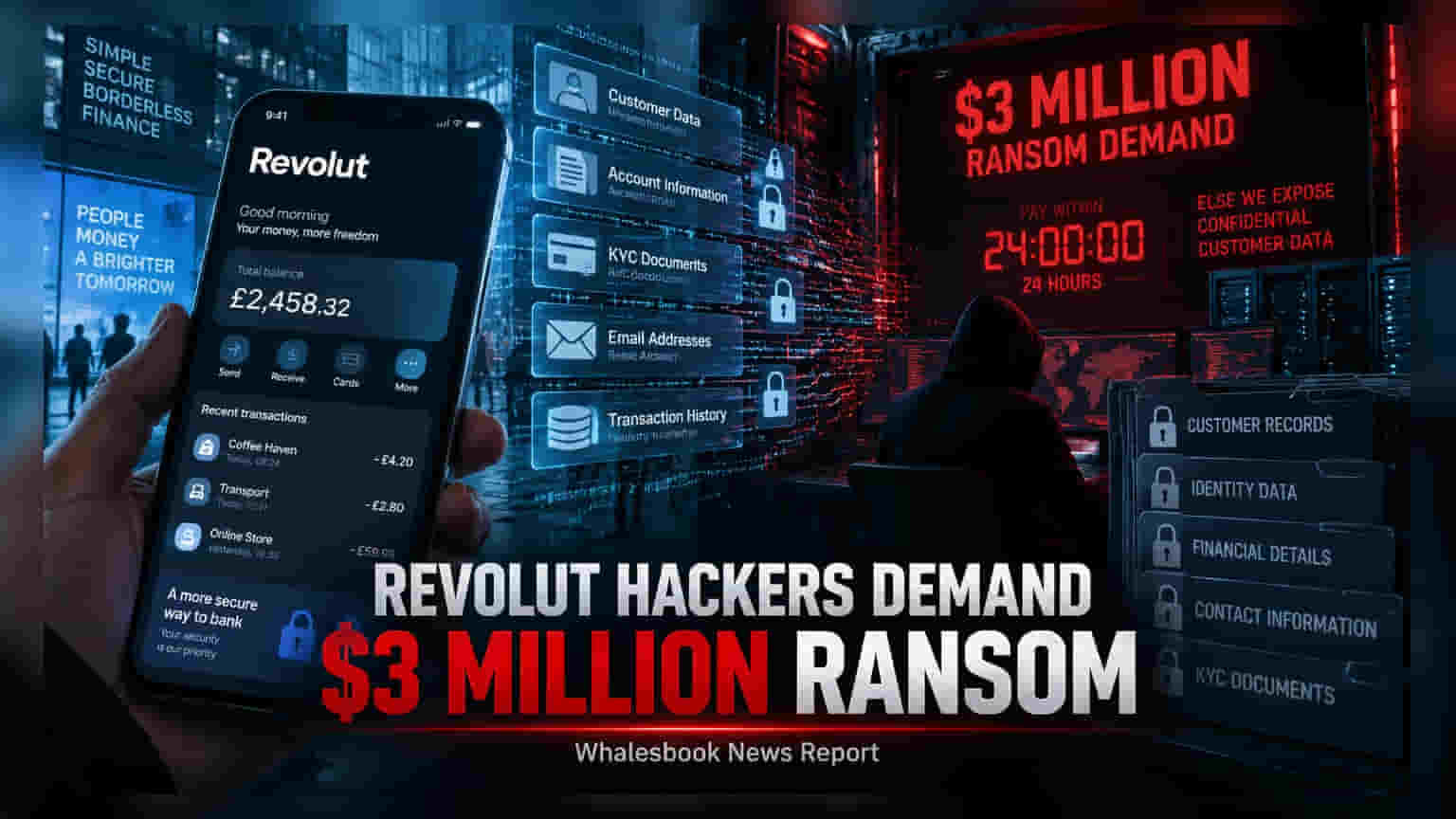
Fintech company Revolut is dealing with a $3 million ransom demand after hackers threatened to release customer information. The company reported that the incident involved an impersonation scam affecting approximately 680 customers, rather than a direct breach of its core database. The event highlights growing security concerns for digital financial platforms.
Revolut, a prominent fintech company, is currently managing a security extortion attempt after a hacking group known as "iamnotavillain" demanded a $3 million ransom. The attackers have threatened to expose confidential customer information if the payment is not made within a 24-hour deadline. Because Revolut is a privately held company, there is no public stock price reaction to monitor, but the incident raises important questions regarding data security and regulatory compliance in the digital banking sector.
The company has clarified that the incident did not involve a direct intrusion into its internal servers or core banking databases. Instead, the attackers used a sophisticated impersonation method. They reportedly compromised an Italian government email system to pose as law enforcement officials, successfully requesting and obtaining sensitive customer data over a period of time. This method of attack, often called business email compromise, bypasses traditional server-level firewalls by tricking human operators or systems into sharing information.
Revolut has stated that the scope of the incident is limited, with approximately 680 customer accounts being affected. The company has emphasized that its primary financial systems, customer funds, and internal databases remain fully secure and operational. This distinction is important, as it suggests the breach was not a result of a weakness in the core software that manages user money or platform security.
For the wider fintech industry, this event underscores the difficulty of defending against highly targeted impersonation attacks. Even when internal systems are robust, vulnerabilities in external communication channels can be exploited to bypass security protocols. The immediate risk to affected customers involves the potential secondary misuse of their stolen data, such as identity theft, phishing attempts, or unauthorized contact, rather than a direct loss of funds from their accounts.
The company has confirmed that it is working with law enforcement and relevant data protection authorities, including the Information Commissioner's Office (ICO) in the UK. Ongoing scrutiny from regulators is likely, as they assess whether the company’s internal verification checks for information requests were sufficient to prevent such an impersonation incident. Regulatory bodies often look at whether a company adequately verifies the identity of those requesting data, even when the request appears to come from an official government source.
The next critical updates will come from the company’s ongoing investigation and any official statements from the involved regulators. Customers and industry participants should monitor for guidance on whether additional measures are needed to secure personal information that may have been compromised during this event. The focus for investors and stakeholders remains on how effectively the company contains the breach and prevents future occurrences of similar impersonation-based data leaks.