

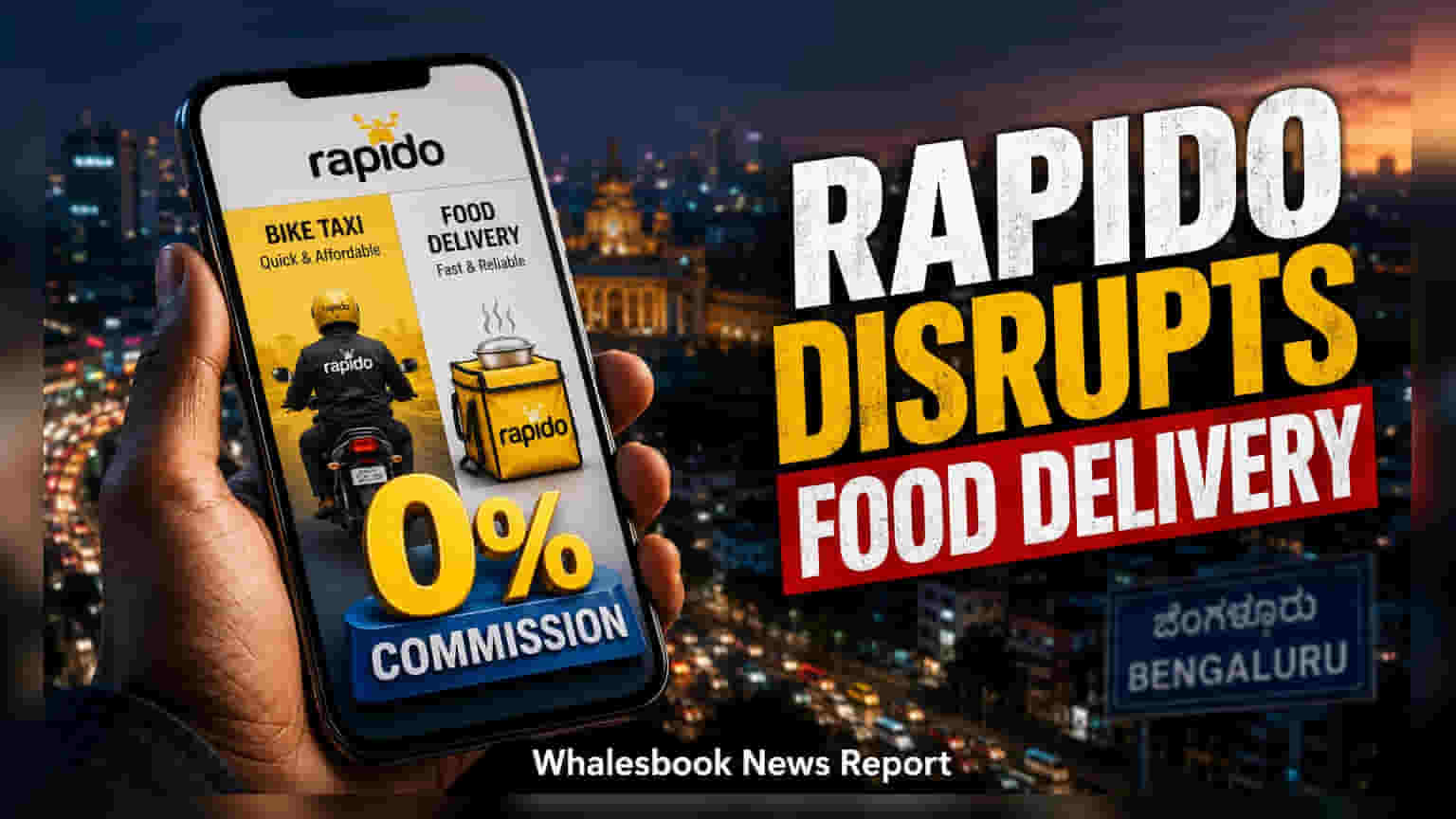
Ride-hailing firm Rapido has merged its zero-commission food delivery service, Ownly, into its main app. The move aims to boost order volumes by leveraging Rapido’s existing transportation user base in Bengaluru. This strategy pits the company against established incumbents Swiggy and Zomato by offering a commission-free model to restaurant partners.
Detailed Coverage
Bengaluru-based ride-hailing company Rapido has integrated its food delivery service, Ownly, directly into its primary mobile application. Users in Bengaluru can now access food ordering options alongside their regular bike taxi, auto, and cab bookings. This update signifies Rapido's push to diversify its revenue streams by turning its high-frequency transportation app into a multi-service platform.
Targeting Market Incumbents Through Zero Commissions
Ownly differentiates itself from market leaders like Swiggy and Zomato by operating on a zero-commission model. In the traditional food delivery ecosystem, platforms typically charge restaurants a percentage of each order, which restaurants often pass on to consumers through higher menu prices or additional platform fees. Ownly intends to bypass this structure, allowing restaurants to keep a larger share of the order value while offering customers prices that the company claims are more transparent.
According to the company, Ownly has already onboarded approximately 20,000 restaurant partners. By removing the commission-based revenue model, the platform aims to attract restaurants that have expressed concerns over the high fees charged by dominant industry players. To drive initial traction, Rapido is providing a 50% discount, capped at ₹100, on first-time orders.
Leveraging Logistics and User Density
A primary advantage for Rapido in this expansion is its existing network of riders and its large, active user base. Food delivery is a highly logistics-intensive business, and many companies struggle with high delivery costs. By using the same fleet of bike taxi riders for food deliveries, Rapido expects to optimize logistics and improve the efficiency of its riders, especially during off-peak hours when demand for passenger transport might be lower.
Furthermore, the company is banking on cross-selling. Because the number of ride-hailing users in India currently exceeds the number of users who order food online, Rapido believes that exposing millions of transport users to a food delivery option will lower the cost of acquiring new customers. The company’s management stated that this model is designed to create a more sustainable delivery ecosystem by focusing on transparency rather than aggressive discounting on commissions.
Competitive Challenges and Future Outlook
Despite the operational advantages, Rapido faces significant hurdles in scaling this service. Swiggy and Zomato have established deep moats through years of massive capital spending, extensive delivery networks, and high brand recall. For Rapido, the core challenge will be maintaining service quality and delivery speed as order volumes increase, as well as managing the operational complexities of balancing food delivery with ride-hailing services. Investors should track how quickly the company can scale Ownly beyond Bengaluru and whether it can maintain its zero-commission model if delivery volumes reach a point where logistics costs rise.