

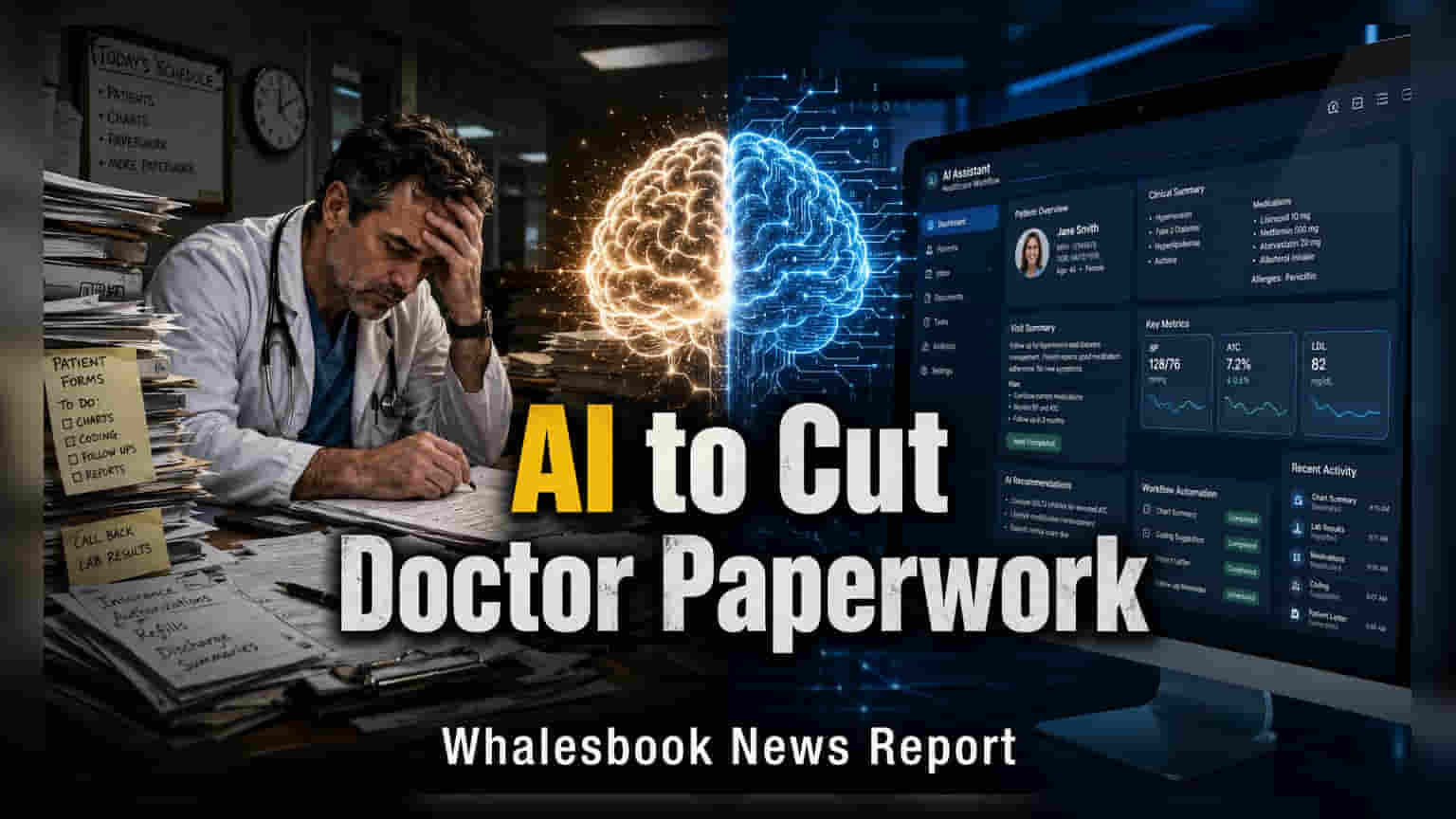
A new report by QuickBlox suggests that AI automation can reduce administrative burdens on doctors, helping address the projected global shortage of 10 million health workers by 2030. While these tools aim to curb physician burnout by streamlining clinical documentation, the sector continues to face risks related to data privacy, cybersecurity, and the necessity for rigorous human oversight.
A new report released by health technology provider QuickBlox on August 16, 2026, highlights the potential for artificial intelligence to address the widening gap in global healthcare staffing. As the medical sector grapples with an increasing workload, AI-driven automation is being positioned as a solution to reduce the heavy administrative duties that often contribute to clinician burnout.
AI in Clinical Workflows
The report focuses on how automation can handle time-consuming tasks like clinical documentation, medical coding, and patient navigation. By using AI to draft clinical notes—often referred to as SOAP notes—and suggesting standard billing codes, these tools aim to allow doctors to spend more face-to-face time with patients. QuickBlox’s research suggests that automating this paperwork can improve system efficiency and ensure that existing staff can handle larger patient volumes without compromising care quality.
The context for this shift is significant, as the World Health Organization has projected a potential deficit of 10 million health workers worldwide by 2030. This shortage is especially pressing in regions with limited resources, making digital tools a critical area of focus for healthcare administrators and policymakers.
Risks and Implementation Challenges
While the integration of AI into medicine offers productivity benefits, the sector faces several material risks that stakeholders must consider. Healthcare AI involves the processing of sensitive patient data, which brings stringent regulatory requirements under frameworks like HIPAA in the United States and GDPR in Europe. Compliance with these data privacy laws is a fundamental necessity for any platform handling electronic protected health information.
Furthermore, the technology introduces operational risks. There is a persistent need for robust human oversight to ensure that AI-generated clinical documentation is accurate and safe. Reliance on automated systems without proper validation can lead to medical errors. Additionally, cybersecurity remains a high-priority concern. Similar to other software-driven healthcare platforms, there is a risk of system vulnerabilities that could expose private health data, necessitating a high standard of security architecture for any provider in this space.
Future Monitorables
Because QuickBlox is a private, non-listed entity, this report serves as a gauge for broader industry trends rather than a direct investment opportunity. For observers of the health technology sector, the key developments to track include the speed of AI adoption in hospital workflows, the evolution of regulatory frameworks governing medical AI, and the success of cybersecurity measures in preventing data breaches. The long-term viability of these AI tools will likely depend on their ability to balance efficiency gains with the non-negotiable requirements of patient data protection and clinical safety.