

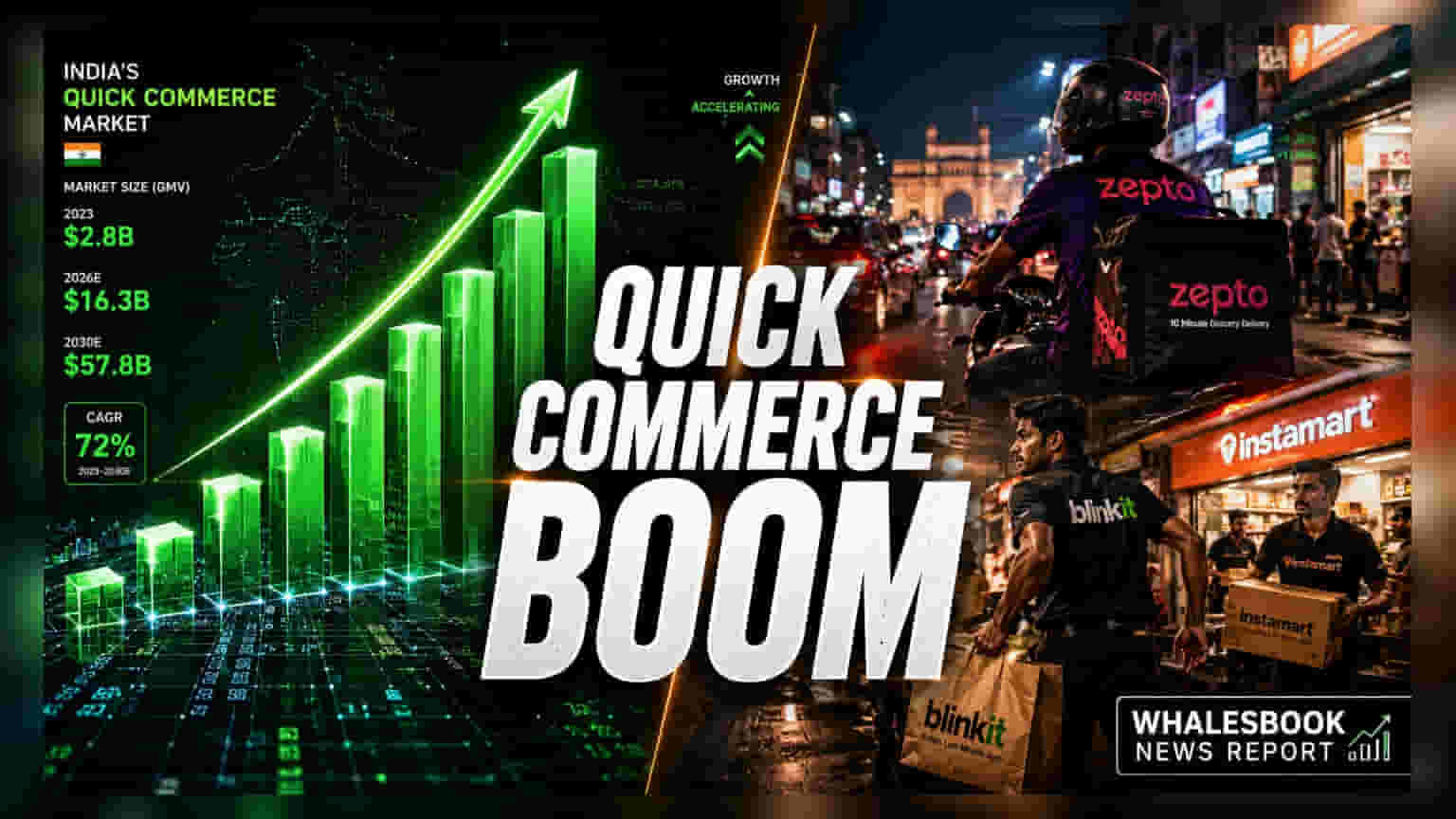
India's quick commerce sector is expected to grow twice as fast as overall digital retail by 2026. This rapid expansion is driven by the aggressive addition of dark stores by companies like Blinkit, Swiggy Instamart, and Zepto to meet rising urban demand.
The quick commerce industry in India is entering a major growth phase, with projections indicating it will reach a market size of ₹1.08 lakh crore by 2026. According to recent industry estimates, this segment is anticipated to grow at an annual rate of 40%, which is significantly higher than the pace of the broader digital commerce market. This shift is reshaping how urban Indian consumers purchase daily essentials and discretionary items.
Infrastructure Expansion Through Dark Stores
A critical factor behind this momentum is the rapid expansion of dark-store networks. These small, localized warehouses allow companies to fulfill orders in minutes rather than hours. As of May 2026, major platforms including Blinkit, Swiggy Instamart, and Zepto have scaled their combined presence to 5,026 locations, up from 3,405 in the previous year. This physical infrastructure investment is the primary engine allowing these companies to reduce delivery times and increase order frequency.
Consumption Trends and Regional Demand
Consumer preferences within the quick commerce space are becoming more diverse. Recent data shows high seasonal demand for items such as ice cream, beverages, and personal care products. Beyond these categories, the sector is benefiting from a broader digital transformation in Indian retail. Increasing household incomes and the rising adoption of digital shopping in Tier-II and Tier-III cities are providing a solid foundation for long-term growth.
Potential Risks and Market Challenges
While the growth trajectory appears steep, the sector faces specific operational and economic challenges. One primary risk for investors is the potential for slowing volume growth in the fast-moving consumer goods (FMCG) segment. Persistent inflationary pressure could limit volume growth to 3-4%, forcing companies to rely on price adjustments or new product launches to maintain revenue momentum. Furthermore, adverse weather conditions, such as rainfall deficits, can impact rural incomes, which indirectly influences the overall consumer spending environment. Investors should monitor how these platforms manage their high capital spending on dark stores against the need for sustainable profit margins, especially if competitive pricing strategies intensify across the industry. The ability of these firms to maintain efficient delivery times as their networks scale will also be a key factor in their long-term financial health.