

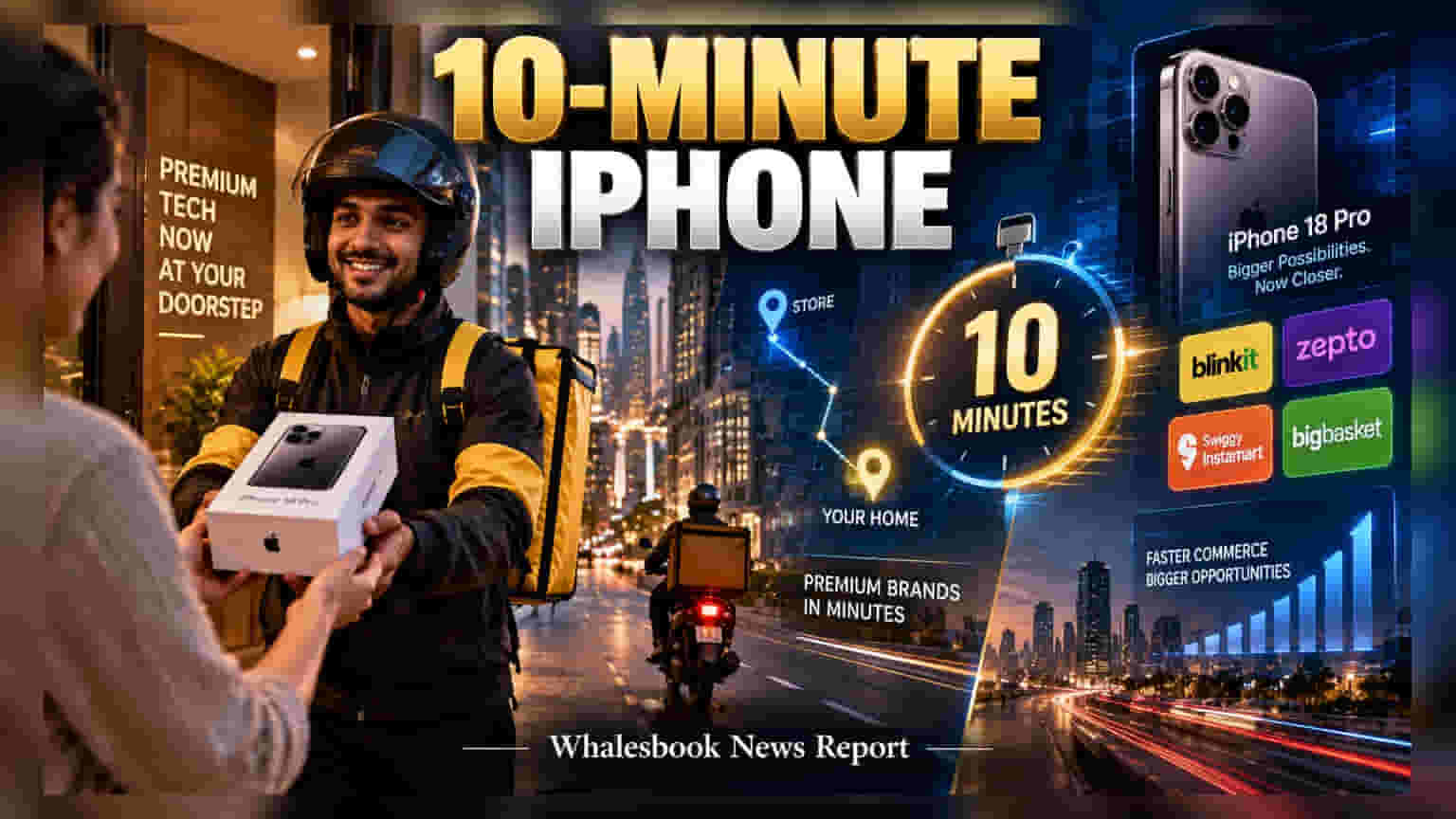
Quick-commerce platforms including Blinkit, Zepto, Swiggy Instamart, and BigBasket have launched 10-minute delivery for the iPhone 18 Pro. While the strong initial demand highlights the growing reach of these services for high-value items, investors are watching whether this strategy can overcome high logistics costs and move beyond being just a marketing tool.
India’s major quick-commerce platforms have expanded their services to include premium electronics, with Blinkit, Zepto, Swiggy Instamart, and BigBasket now delivering the newly launched Apple iPhone 18 Pro and Pro Max to customers within minutes. This move signals an attempt by these companies to move beyond their core business of grocery delivery and capture a share of the high-value retail market.
Expanding Beyond Groceries
The ability to deliver high-end smartphones in under 10 minutes marks a shift in how quick-commerce companies are positioning their business. By offering instant access to expensive electronics, these platforms are attempting to increase their utility beyond daily essentials. BigBasket reported selling over 300 units of the iPhone 18 Pro and Pro Max in the first hour of the launch, with significant demand coming from cities like Bengaluru and Delhi. The success of this launch indicates that there is a segment of consumers willing to pay for the convenience of immediate delivery for luxury goods.
The Market and Operational Context
Data from the first half of 2026 shows that the quick-commerce market in India reached approximately US$9 billion, with monthly active users now exceeding 60 million. However, moving into the electronics category introduces specific business challenges that differ from grocery delivery. Delivering fragile and high-value items involves higher logistics costs, potential risks related to theft or damage, and complex return processes. Unlike low-cost, perishable groceries, a single smartphone unit carries a significantly higher financial risk for the delivery platform if a transaction goes wrong.
Investor Perspective on Profitability
While the instant delivery of smartphones generates high visibility and attracts users, investors are closely monitoring whether this model can lead to long-term profitability. Industry analysts note that smartphone sales via these platforms currently account for a small portion of total device volumes. The quick-delivery channel serves largely as a high-profile marketing tool during flagship product launches rather than a primary sales channel for the broader smartphone market.
Future success in this segment will depend on the platforms' ability to manage inventory efficiently without locking up capital and whether they can maintain margins despite the higher costs of handling expensive inventory. As these companies expand their product assortments, the key monitorable for shareholders will be whether this push into high-value electronics truly boosts their bottom line or if it primarily adds to operational complexity without significantly improving financial returns.