

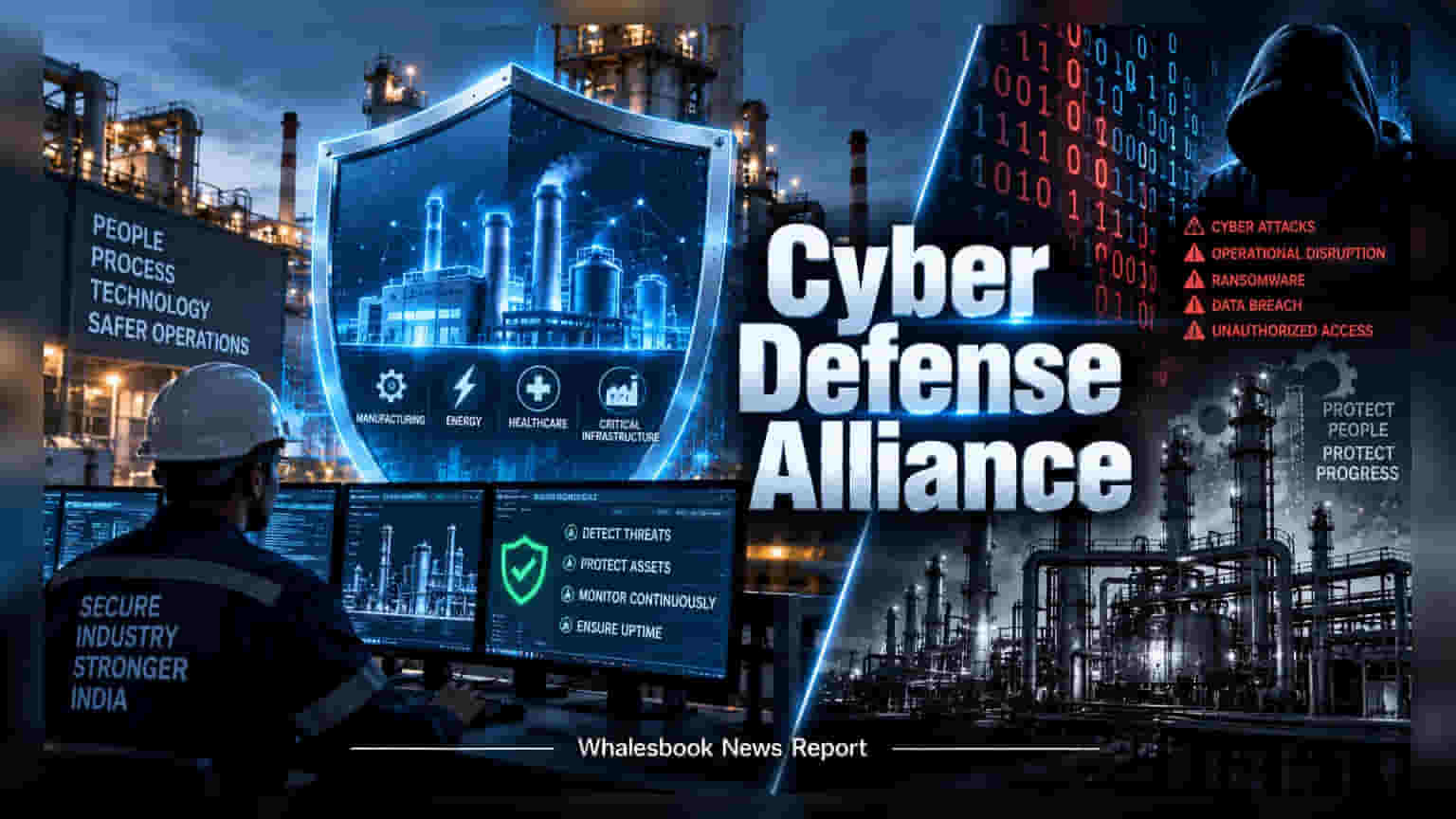
PwC India has formed an alliance with cybersecurity firm Claroty to protect industrial infrastructure from digital threats. This collaboration provides companies in manufacturing, healthcare, and energy with tools to secure machines and control systems. The move addresses the growing risk of cyber-attacks as businesses connect industrial equipment to digital networks.
PwC India and cybersecurity firm Claroty announced a partnership on September 7, 2026, to help Indian companies protect their industrial infrastructure. The collaboration combines PwC’s risk management and advisory services with Claroty’s specialized security software designed for industrial environments.
The alliance addresses a specific challenge for Indian businesses: the risk of cyberattacks on physical machinery. As manufacturers, energy providers, and healthcare facilities connect their industrial control systems to digital networks for better efficiency, they face new security vulnerabilities. These systems, often referred to as operational technology, were historically isolated from the internet and were not originally built with modern cybersecurity features.
Claroty provides technology that helps companies see and monitor all devices connected to their industrial networks. When paired with PwC’s advisory services, the firms aim to help companies identify security gaps, protect legacy equipment—older machines that are difficult to upgrade—and defend against unauthorized remote access. This dual approach aims to go beyond standard software updates by focusing on the specific risks faced by physical industrial assets.
For sectors like manufacturing and utilities, a cyberattack on critical systems can lead to significant operational disruptions. Malicious actors often target these systems to halt production or demand ransoms. By integrating security measures at the device level, the initiative focuses on helping companies maintain operational continuity while they continue their digital expansion.
The partnership reflects a shift in the Indian industrial sector, where digital adoption is increasing rapidly. As companies rely more on smart data and automated processes, the demand for specialized security solutions that go beyond standard office IT software is rising. The success of this collaboration will likely depend on how effectively these specialized security measures are integrated into the existing workflows of complex industrial plants and hospitals. Market observers may monitor how major industrial players adopt such security frameworks to prevent downtime and protect physical infrastructure from evolving digital risks.