

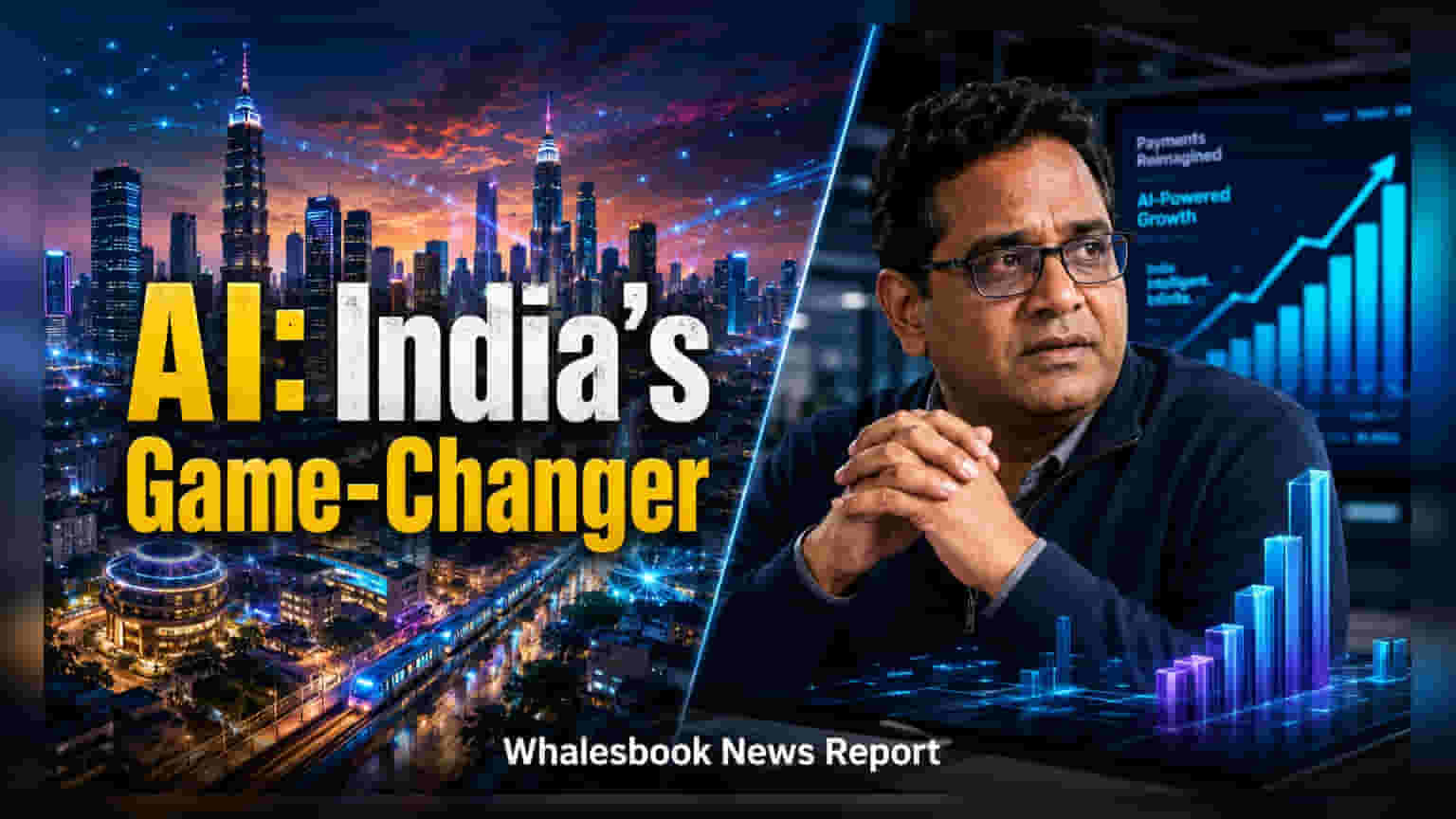
Paytm founder Vijay Shekhar Sharma says artificial intelligence offers India a historic chance to create jobs and boost economic growth. He suggests focusing on innovation and proactive government policy rather than only fearing potential risks. The comments come as the company continues to pivot its business model following recent regulatory and financial restructuring.
Paytm founder Vijay Shekhar Sharma has highlighted artificial intelligence as a major opportunity for India's economic and technological development. In recent remarks, he framed AI as a once-in-a-generation shift that could help the nation generate new employment opportunities and increase productivity. Sharma argued against focusing exclusively on the potential job risks associated with AI, suggesting instead that the long-term economic gains could be far more significant than short-term disruptions.
He pointed to government efforts like the IndiaAI Mission as essential frameworks that could support the country in building a strong foundation for new-age technology. According to Sharma, India has the potential to leapfrog traditional development stages by adopting AI at scale. His comments align with broader industry discussions regarding how digital infrastructure can influence national growth trajectories.
For investors, these statements provide insight into the strategic thinking of a key leader in India’s fintech sector. Paytm has spent the recent past navigating significant operational changes, including a major overhaul of its payments business and partnerships, following regulatory instructions from the Reserve Bank of India that restricted its banking associate, Paytm Payments Bank. These regulatory actions had previously put pressure on the company's revenue model and stock performance, leading to a period of intense restructuring.
While AI is a focus for many technology firms, the actual impact on Paytm's financials will depend on its ability to integrate these tools into its core financial services, such as loan distribution and merchant payments, effectively. Investors tracking the company will likely look for updates on how it plans to use new technologies to improve margins and recover market share in a highly competitive digital payments landscape.
Beyond technological potential, the next important monitorables for the company include its quarterly profitability trends and the stability of its new business partnerships. The company is currently working to stabilize its earnings after moving away from its previous banking-led revenue model, and any material updates on AI implementation will be viewed against the backdrop of its ongoing efforts to achieve sustainable, long-term financial growth.