

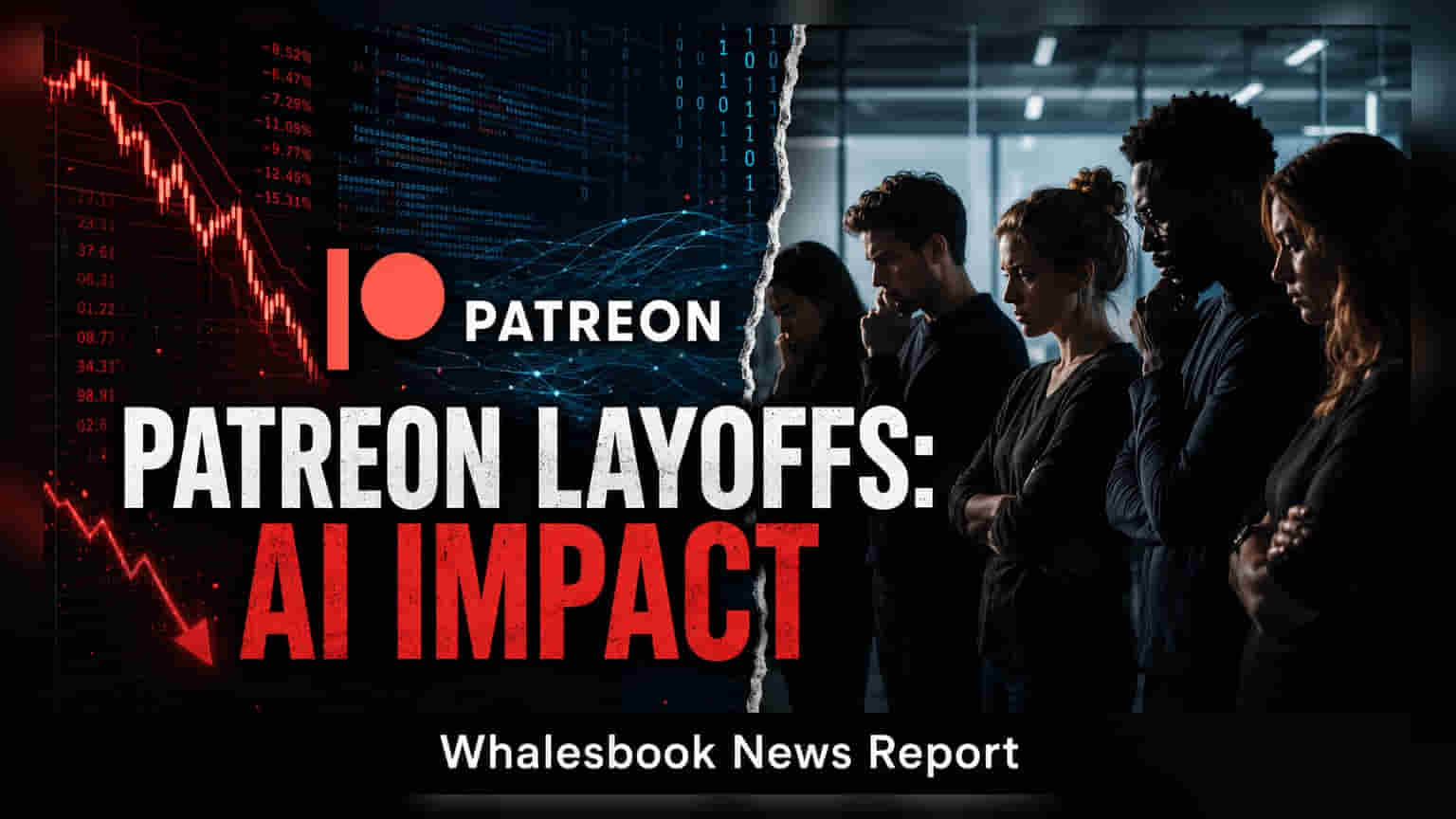
Patreon has reduced its staff by 20%, affecting 93 employees, as part of a wider move to lower costs and adjust to new industry conditions. The company stated the changes aim to flatten management and refocus on core objectives despite the ongoing rise of AI in the technology sector.
Detailed Coverage
Subscription platform Patreon has announced a significant workforce reduction, cutting 20% of its total staff. This move, which impacts 93 employees, follows a strategic review led by CEO Jack Conte. The company stated that while its core business model continues to operate, structural adjustments are required to improve efficiency and maintain stability in the current market environment.
Operational Shift and Cost Management
As part of this restructuring, Patreon is moving to flatten its management hierarchy. This process is designed to streamline internal communications and reorient teams toward the company’s most critical goals. By removing layers of management, the company aims to move faster and reduce its internal cost structure. Affected employees will receive a severance package that includes a minimum of 16 weeks of pay, healthcare benefits through the end of the year, and a stipend to assist with personal equipment needs.
Industry Pressure and AI Context
The leadership team addressed the growing influence of Artificial Intelligence within the technology sector. While CEO Jack Conte noted that the speed of AI development is unprecedented, he emphasized that these layoffs are not a result of replacing human workers with automated tools. Instead, the focus remains on adapting the business to changing industry shifts. The management maintains that human creativity and judgment remain central to the platform’s value for creators.
Creator Protection and Data Security
This organizational change occurs alongside the company’s recent focus on data security. Patreon recently partnered with Cloudflare to implement measures that block AI bots from scraping creator content without permission. This action is a direct response to concerns from creators and publishers regarding the unauthorized use of their work to train third-party AI models. For investors and stakeholders, this reflects a strategic effort to protect the platform's core asset—exclusive creator content—while managing its operational finances. The company's future performance will depend on how effectively these reorganized teams can balance cost control with the ongoing need to defend content against automated scraping and compete in a shifting digital landscape.