

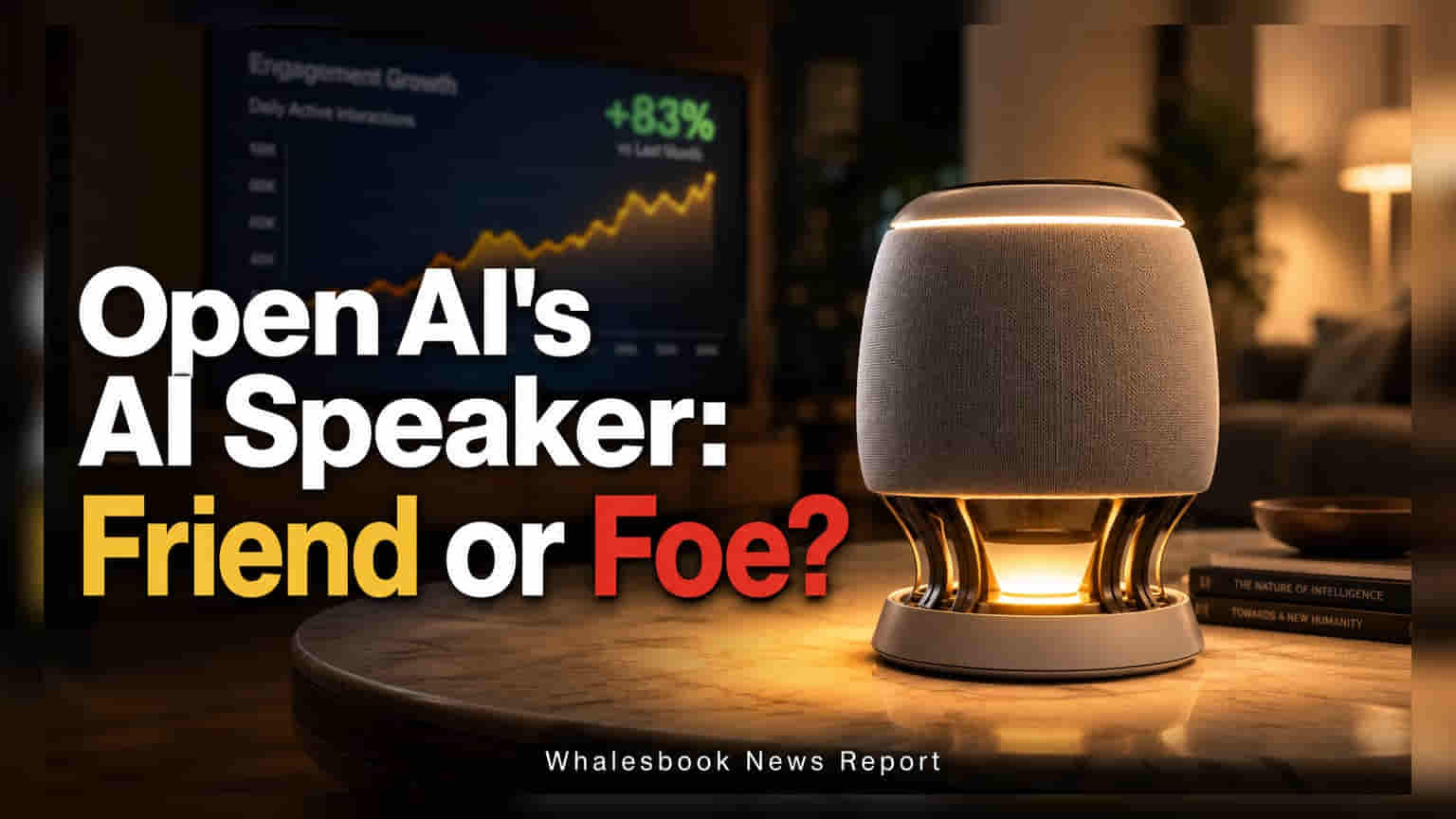
OpenAI is reportedly developing a screenless AI-powered smart speaker, with project investments estimated at $6.5 billion. Designed by former Apple veteran Jony Ive, the device aims to create emotional user connections, challenging established leaders like Amazon and Google in the home automation market.
OpenAI is moving into the consumer hardware space with plans to introduce a screenless smart speaker, according to recent reports. The project is reportedly backed by a $6.5 billion investment and is expected to reach the market in 2027. This initiative marks a significant strategic pivot for the company, which is primarily known for its large language models like ChatGPT.
The device is being developed under the guidance of former Apple designer Jony Ive. Unlike traditional smart speakers that function mainly as utility tools for setting alarms or playing music, this hardware aims to offer a distinct personality. The design reportedly incorporates mechanical elements that move, intended to make the device feel more alive and foster a personal relationship with the user. This approach seeks to move beyond the current limitations of smart assistants, which often struggle to provide the fluid, conversational experience promised by advanced AI.
The Challenge of AI Hardware
Transitioning from software to hardware involves significant technical and operational hurdles. While companies like Amazon and Google are already integrating advanced AI into their Alexa and Gemini-powered home ecosystems, they have faced challenges in balancing processing speed with costs. OpenAI must address issues such as technical latency and the risk of AI hallucinations—where the system provides incorrect or nonsensical information—to ensure the device is reliable for daily home use.
Competitive and Ethical Context
The smart speaker sector is currently dominated by established tech giants. Amazon’s Alexa and Google’s Gemini for Home are evolving to handle complex command sequences and more natural, continuous speech interactions. OpenAI’s entry into this crowded market will test whether a focus on emotional engagement can win over consumers who are already accustomed to the functional utility of existing devices.
This shift toward personified technology also brings significant ethical questions. Research suggests that voice-enabled AI can lead to emotional dependence, particularly among heavy users. Because OpenAI’s business model relies on high levels of user engagement, there may be internal challenges in balancing the goal of creating a compelling user experience with concerns about fostering technology addiction, a topic Jony Ive has highlighted in his past work. Investors and industry observers will likely monitor whether the company can successfully navigate these moral complexities while managing the substantial capital spending required for this ambitious product rollout.