 Whalesbook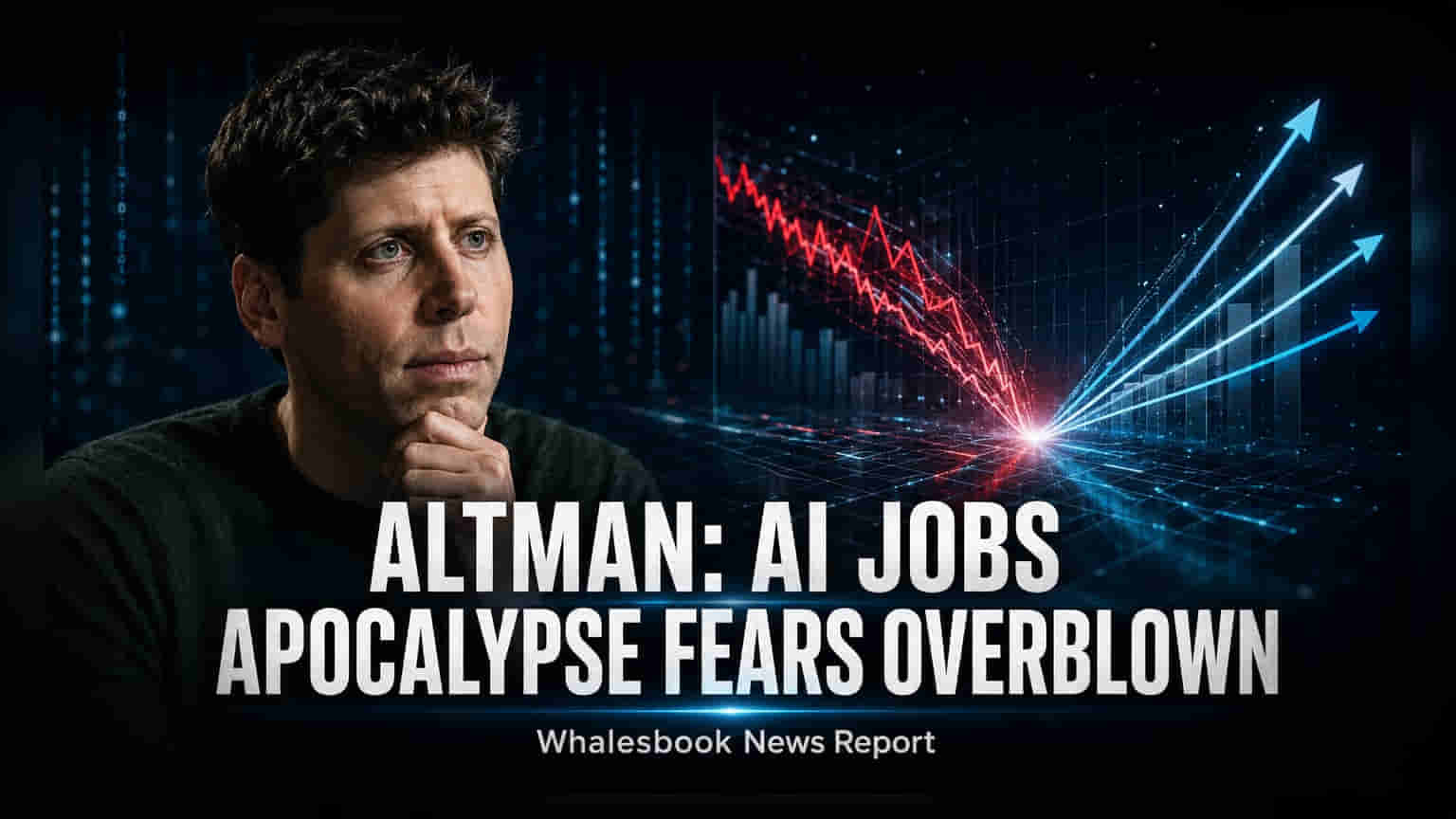


Valuation Hurdles
OpenAI is strategically adjusting its public messaging as it approaches a confidential IPO, targeted for late 2026. While aiming for a valuation as high as $1 trillion, the company's financial reality presents a stark contrast. With projected cumulative losses reaching $115 billion by 2029 and profitability not expected until the next decade, OpenAI is consuming capital at a pace that demands continuous external funding. The aggressive IPO schedule appears to be a race to secure capital before market perceptions of AI infrastructure costs shift.
Changing Tune on Jobs
Altman's recent statements at the Commonwealth Bank of Australia conference mark a notable departure from his earlier, more dire predictions about AI's impact on employment. By downplaying the threat to white-collar jobs, Altman may be seeking to mitigate potential public and political opposition that could affect the company's operating freedom. However, this optimistic outlook contrasts with actions from major corporations, such as HSBC and Standard Chartered, which are reducing staff as they integrate AI, suggesting corporate implementation is outpacing public industry narratives.
Competitive and Structural Challenges
Beyond its public statements, OpenAI faces a weakening competitive standing. Intense rivalry from Google and Anthropic has already led to missed revenue targets, slowing growth despite rapid early adoption. Investor concerns are mounting regarding OpenAI's dependence on Microsoft, which could create governance and operational constraints. Furthermore, recent IPOs in the AI sector have followed a pattern of initial spikes followed by significant drops, as lockup periods expire and institutional selling occurs. Retail investors face the core challenge of assessing whether OpenAI's revenue growth can truly cover the immense costs of computing power and talent acquisition before market patience wears thin regarding its profitability.
The Path Ahead
As OpenAI moves toward becoming a public entity, scrutiny of its customer contracts and profit margins is expected to increase. The upcoming S-1 filing should provide a more detailed and potentially sobering view of the company's financial sustainability. Investor sentiment will likely depend on OpenAI's ability to justify its substantial infrastructure investments against softening enterprise demand for AI automation.