 Whalesbook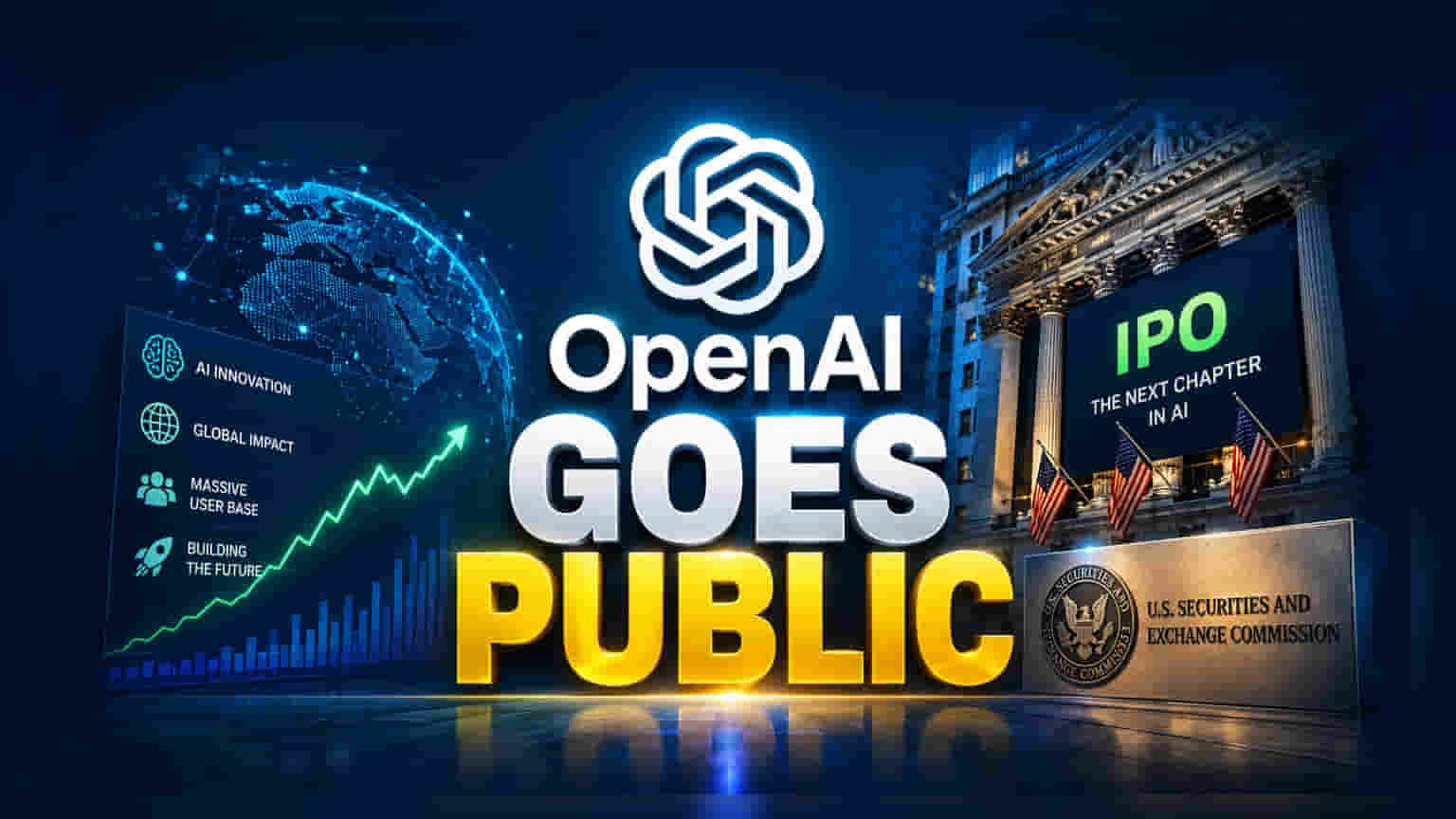


What Happened
OpenAI, the developer of the popular AI tool ChatGPT, has officially begun the process of becoming a publicly traded company. The firm has filed preliminary, confidential paperwork with the U.S. Securities and Exchange Commission. While the specific timing of the initial public offering (IPO) remains undecided, this filing serves as a formal step toward listing on the stock exchange. The company is positioning itself as a major player in the global technology sector, aiming to secure the significant funding required to continue building advanced AI systems.
Why This Matters For Investors
For investors, this filing is about more than just a new stock. It represents a potential benchmark for the entire Artificial Intelligence industry. Currently, many AI companies operate with massive, undisclosed expenses to train their models. By moving toward a public listing, OpenAI will eventually be required to provide transparency regarding its revenue, costs, and profit margins. This shift could help the market understand the true economic viability of current AI technology. If the company proceeds, it would be among the largest technology listings in recent history, potentially impacting how other AI-focused firms are valued by the market.
The Governance and Profitability Question
One of the most important aspects for future investors to consider is the company’s unique structure. OpenAI operates as a public benefit corporation, but its original nonprofit oversight structure remains in place. This is unusual for a major tech company. Investors will need to watch how this structure affects corporate decision-making and whether the nonprofit board’s goals align with the interests of public shareholders. Furthermore, the company has not yet released public data regarding its profitability. Developing and maintaining advanced AI models requires immense spending on computing power and talent. Investors will likely look for a clear path toward sustainable financial health once the company begins reporting its quarterly results.
Legal and Strategic Context
OpenAI has also navigated recent legal challenges, including a court case involving its co-founder, Elon Musk. The court dismissed the lawsuit, ruling that it was filed too late. This development removed a potential roadblock that could have distracted management or created uncertainty around the company’s leadership. With this behind them, the focus now shifts to operational execution, such as expanding its product reach and competing against other firms like Anthropic and SpaceX, which are also exploring public listings.
How Investors May Read This
This move essentially signals that OpenAI is ready to trade private funding for the discipline and scrutiny of public markets. However, the lack of current public financial figures means that the true value of the company remains a topic of debate. Market analysts will likely focus on whether the company can turn its massive user base into consistent, long-term profit. The influence of current leadership, including CEO Sam Altman and CFO Sarah Friar, will be central to how the market perceives the company’s ability to manage costs while driving innovation.
What Investors Should Track
As the process moves forward, investors should keep an eye on three key areas. First, monitor any official statements regarding the company's revenue and cash flow, as these will be critical for determining its real-world financial performance. Second, watch for details on how the company plans to reconcile its nonprofit governance model with the demands of public market investors. Finally, track updates from the U.S. regulatory filings, which will provide the first real look at the company’s financial obligations, risks, and long-term business strategy.